



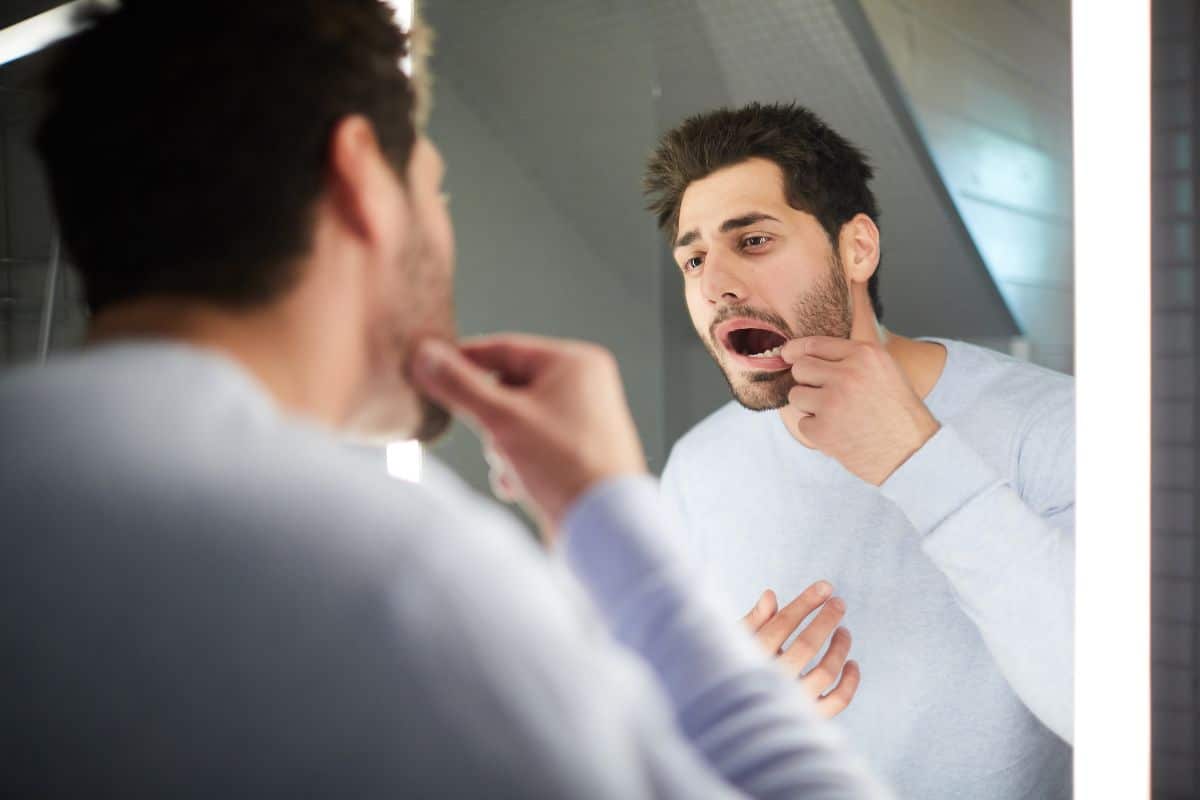
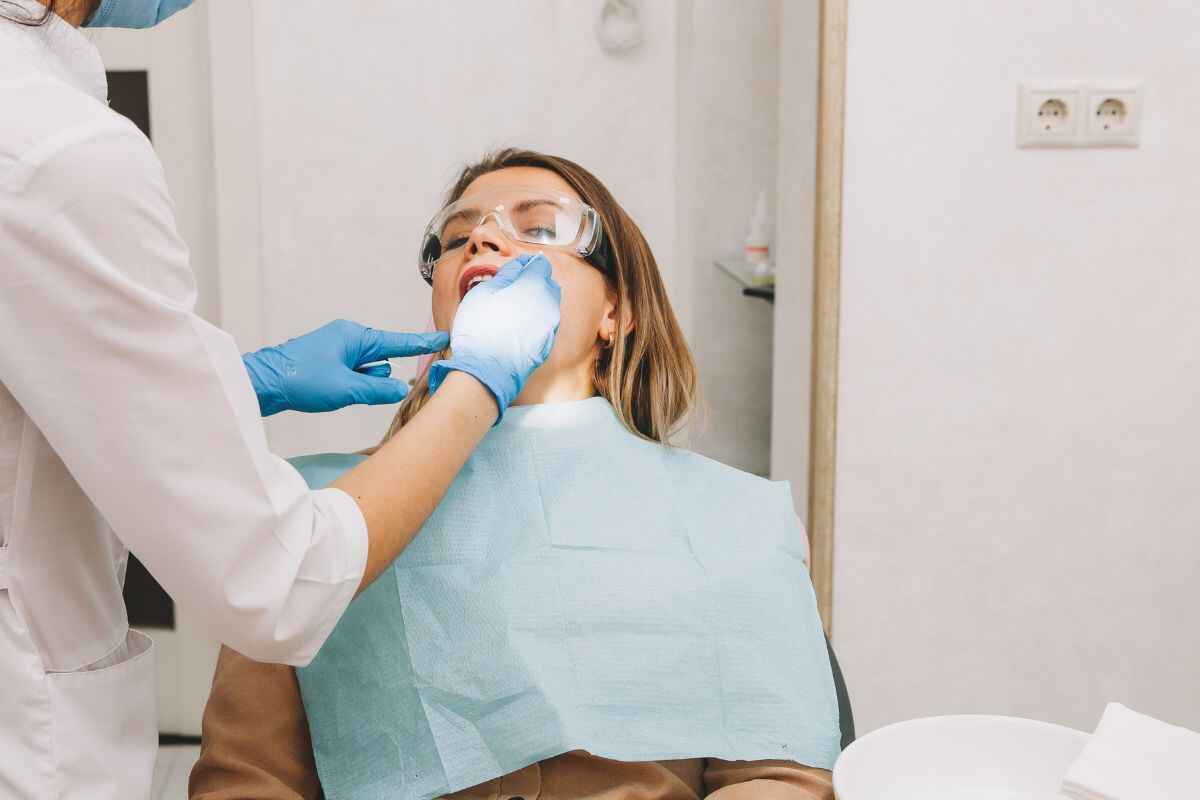
Dental emergencies can occur unexpectedly, whether you’re at home, at work, or out and about. Knowing how to handle these situations can help you manage pain and prevent further damage. Here are some basic first-aid tips for common dental emergencies.
1. Toothache Relief
If you find yourself dealing with a severe toothache, it’s essential to manage the pain until you can see your dentist. Rinse your mouth with warm salt water to help reduce inflammation and clear out debris. Over-the-counter pain relievers can also help alleviate discomfort of the affected tooth. Avoid placing aspirin directly on the gum area, as this can cause burns. If the pain persists, don’t hesitate to contact a nearby emergency dentist.
2. Knocked-Out Tooth
In the event of a knocked-out tooth, it’s important to act quickly. Here’s what to do:
- Handle the Tooth Carefully: Only touch the crown (the top part) of the tooth, and avoid touching the root.
- Gently Rinse If Dirty: If the tooth is dirty, rinse it briefly under lukewarm water. Do not scrub or attempt to remove any tissue attached to it.
- Reinsert If You Can: If possible, try to place the tooth back into its socket, holding it by the crown.
- Store Safely: If reinserting isn’t an option, keep the tooth in a container filled with milk or a saline solution. Avoid using tap water for this purpose.
- Get Immediate Help: Visit an emergency dentist as soon as you can, ideally within an hour.
3. Chipped or Cracked Tooth
A chipped or cracked tooth can be painful and may lead to more serious issues if not addressed. Here’s how to manage the situation:
- Rinse Your Mouth: Use warm salt water to rinse away any debris.
- Apply a Cold Compress: To reduce swelling and alleviate pain, apply a cold compress to the outside of your mouth or cheek.
- Avoid Hard Foods: Stick to soft foods until you can visit a dental office.
4. Lost Filling or Crown
If you lose a filling or crown, it can be uncomfortable and may expose your tooth to further damage. Here’s what to do:
- Keep the Area Clean: Rinse your mouth gently with lukewarm salt water.
- Temporary Fix: You can use dental cement, which is available at most pharmacies, to temporarily reattach the crown or filling.
- Avoid Hard or Sticky Foods: Until you visit the dental office, avoid eating hard or sticky foods that could exacerbate the problem.
- Schedule an Appointment: Contact your nearest dental office which offers emergency services for a quick visit to resolve the issue.
5. Abscessed Tooth
An abscessed tooth can lead to severe pain and swelling, and it is often accompanied by fever or a bad taste in the mouth. Here’s how to handle it:
- Rinse with Warm Salt Water: Rinsing with warm salt water can help reduce the swelling of teeth while helping to clean the area.
- Avoid Squeezing: Do not attempt to squeeze or pop the abscess, as this can spread the infection.
- Seek Professional Help: An emergency dentist can drain the abscess and provide antibiotics to fight the infection.
6. Soft Tissue Injuries
Injuries to your gums, tongue, or cheeks can be distressing. Here’s what you can do:
- Rinse with Warm Salt Water: Doing this will help clean the affected area.
- Apply Pressure: Use a clean cloth or medical gauze to apply gentle pressure to stop any bleeding.
- Cold Compress: Cold compress is the best option to reduce swelling which can lead to temporary comfort.
- Visit Your Dentist: If the bleeding doesn’t stop or if the injury is severe, see your dentist as soon as possible.
Knowing how to handle basic dental emergencies can help you react calmly and effectively when a situation arises. Remember to stay calm, follow these first aid tips, and reach out to us for professional help.

Reviews From Our Patients
Krystle J.

Sammy, Connor, the front desk staff, Dental Hygenist and especially Dr. Town are amazing! It’s great to see the same faces everyone I get a cleaning! Sammy makes the experience comfortable and welcome. Connor may be quiet but he always does a great job! The dental hygienist always remembers me and my kids. Sorry I cant remember her name but she knows who I am and that’s what matters:) Thankful for this staff and the great care they give to my family!
Linda F.
I love it here. I have never seen a dental office give flowers to first timers. Everyone was so welcome if. In pain but you guys still made me smile. I told my daughter she need to come there. I love how you guys work with options of payment. Again thanks for making me smile in pain.
Emily C.
We’ve always had a good experience at Stonehaven. The women at the front desk are always cheerful and helpful. I love the hygienists, they always make my children and I feel comfortable and informed. I have pretty high dental anxiety and they’ve never tried to minimize my fears- but they listen to me, and help me feel as comfortable as possible. The dentists and orthodontists have been great! No issues at all. (I just wish my daughter was better at flossing, but we’re working on that!)
Yolanda R.
Oh my god, this doctor and staff are the best! They are friendly, they explained everything very thoroughly and made me feel very comfortable. The office is so clean and every one of the staff is so amazing especially Crystal! I recommend this dental office big time!!! Thank you Stonehaven Dental!!

Book Your Dental Appointment
Fill out the form and we'll follow up with a few appointment options.
"This is my first time at Stonehaven dental. Everyone was super friendly, and helpful. Dr Town came in and visited with me and together we developed a treatment plan to address the issues that were present on my teeth. Couldn't be more happy with the experience with everyone in the office!"