



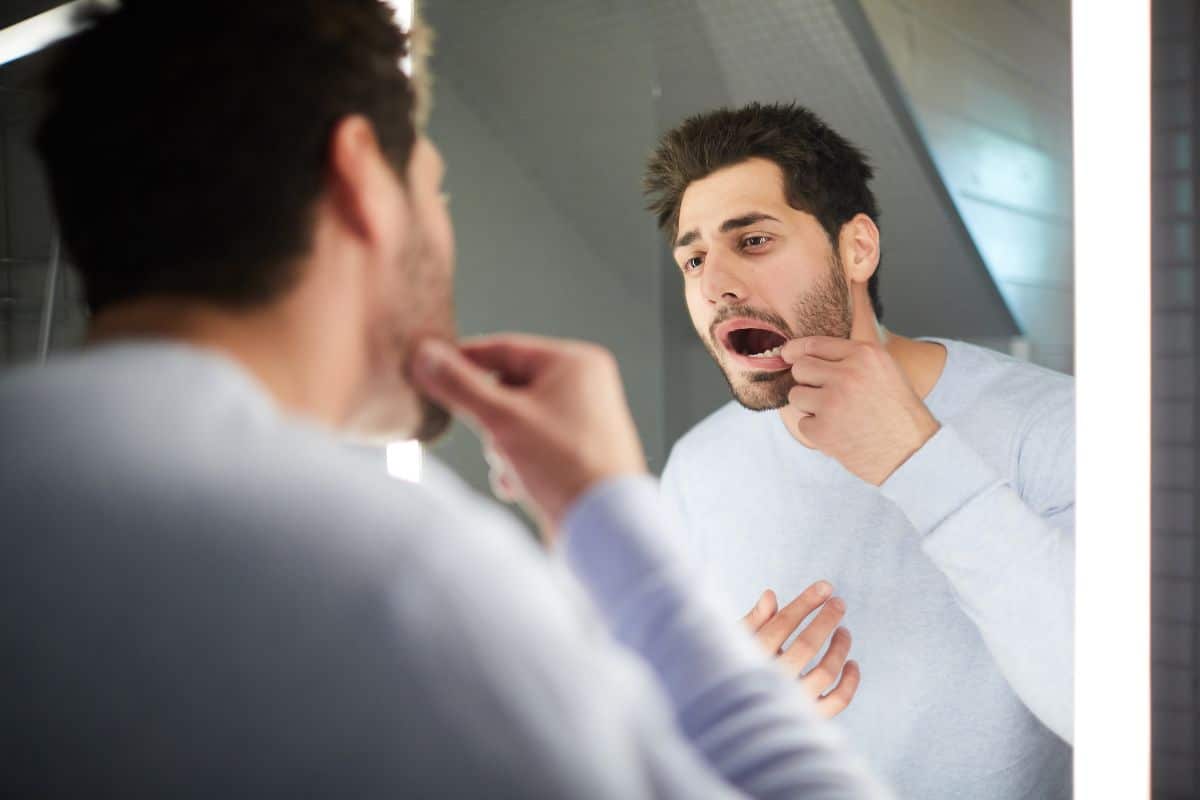
Dealing with sudden dental pain can be overwhelming. Whether it’s a broken tooth, infection, or intense discomfort, many reach for over-the-counter (OTC) painkillers in these moments of need.
Are these quick fixes truly effective in handling emergencies? Keep reading this blog to find out if you need an emergency dentist for fast and safe treatment.
When OTC Painkillers Can Help?
In dental emergencies, OTC painkillers like ibuprofen, acetaminophen, or aspirin may offer quick relief. They can reduce pain and swelling temporarily, making them a popular choice for immediate action. Here are some situations where over-the-counter painkillers might help in dental crises:
Toothache: Mild to moderate tooth pain, often caused by sensitivity or minor irritation, can sometimes be managed with OTC painkillers. Ibuprofen, in particular, is known for reducing both pain and inflammation, offering temporary comfort.
Swelling: Anti-inflammatory OTC options, such as ibuprofen, are often effective for managing swelling from minor injuries or infections. Reducing inflammation helps with pain control, although the underlying issue may still need treatment.
Minor Dental Injuries: An over-the-counter painkiller may provide short-term relief for small chips or fractures without severe pain. This can help individuals avoid discomfort while they arrange a dental appointment.
Post-Procedure Soreness: Sometimes, pain flares up after dental treatments, even a few hours later. OTC painkillers are commonly recommended for this kind of temporary, expected discomfort, particularly when there is no need for further emergency attention.
While these options are widely accessible, painkillers for dental emergencies are limited in their effect and duration. Their primary role is in short-term pain management, not in resolving the underlying cause of the pain or damage.
Why OTC Painkillers Aren’t Always Enough?
Dental emergencies often involve complex issues, such as infections, nerve exposure, or damaged tissue. They require emergency pain control that OTC painkillers simply can’t address. Here’s why relying on these medications alone can be risky:
Masking Serious Issues
Painkillers only mask symptoms. They don’t treat infections, nerve damage, or fractures. Delaying a proper diagnosis and treatment can allow the issue to worsen, potentially leading to more pain or even severe infection.
Temporary Relief Only
OTC painkillers are designed to provide short-term relief, typically lasting a few hours. Dental emergencies, however, often need ongoing, professional intervention to prevent complications.
Risk of Overuse
Some people may take higher doses than recommended to control intense pain, but this can lead to serious side effects, such as stomach ulcers, kidney damage, or liver issues, especially with long-term use.
Limited Impact on Severe Pain
For extreme pain, especially related to nerve damage or deep infections, OTC options are often ineffective. Severe dental pain usually requires prescription medication or a specific dental procedure to alleviate the source of discomfort.
When to Seek Emergency Dental Care?
Understanding when to move beyond OTC painkillers for emergencies is crucial. Here are situations where an urgent dental consultation is essential:
Severe Tooth Pain: If pain becomes unbearable or doesn’t improve with OTC medication, it’s time to see a dentist. Intense toothaches may indicate issues like abscesses, root infections, or nerve exposure—all of which need immediate intervention.
Visible Infection: Swelling, fever, or pus can signal a dental infection, which needs prompt treatment. Infections don’t heal on their own and can spread if untreated. This is where you need rapid-response dentistry to prevent further oral health complications.
Broken or Knocked-Out Teeth: While painkillers may dull the pain, a broken or dislodged tooth must be assessed quickly to determine if it can be saved. Dental practitioners can stabilize the tooth, preventing further damage and potentially saving it.
Bleeding That Doesn’t Stop: If a dental injury leads to bleeding that persists beyond 15-20 minutes, you should seek emergency care. Continuous bleeding may indicate a deeper issue that painkillers alone won’t resolve.
Jaw Injuries: Painkillers cannot treat fractures or dislocations in the jaw. Dental or medical professionals must evaluate these injuries to ensure proper healing and alignment.
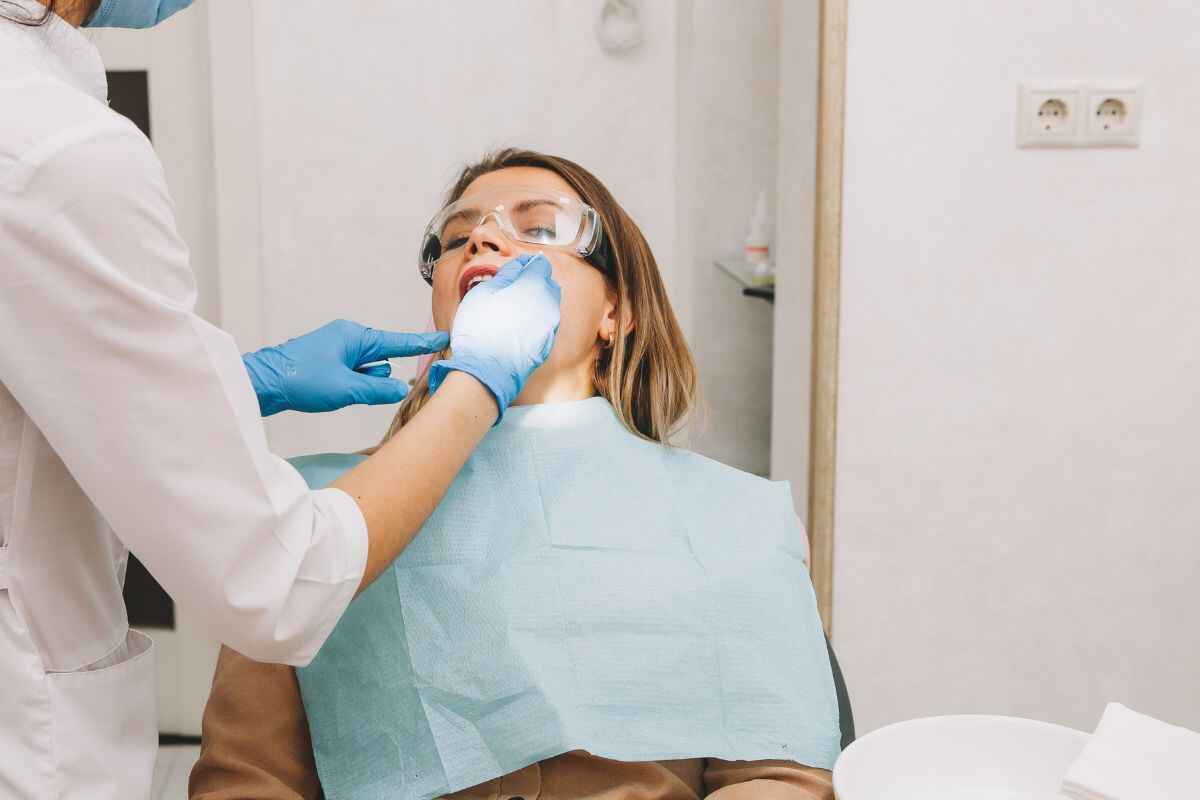
Some dentists are trained to handle urgent situations where OTC medications can’t fully control pain during emergencies. They offer treatments to stop infection, relieve severe pain, and repair damage to teeth and gums. Professional care often resolves pain and protects your long-term dental health by addressing the root cause directly.
While OTC painkillers can help manage pain, they’re not a replacement for skilled dental intervention. Don’t hesitate to visit our dental office for a thorough evaluation and treatment planning.

Reviews From Our Patients
Krystle J.

Sammy, Connor, the front desk staff, Dental Hygenist and especially Dr. Town are amazing! It’s great to see the same faces everyone I get a cleaning! Sammy makes the experience comfortable and welcome. Connor may be quiet but he always does a great job! The dental hygienist always remembers me and my kids. Sorry I cant remember her name but she knows who I am and that’s what matters:) Thankful for this staff and the great care they give to my family!
Linda F.
I love it here. I have never seen a dental office give flowers to first timers. Everyone was so welcome if. In pain but you guys still made me smile. I told my daughter she need to come there. I love how you guys work with options of payment. Again thanks for making me smile in pain.
Emily C.
We’ve always had a good experience at Stonehaven. The women at the front desk are always cheerful and helpful. I love the hygienists, they always make my children and I feel comfortable and informed. I have pretty high dental anxiety and they’ve never tried to minimize my fears- but they listen to me, and help me feel as comfortable as possible. The dentists and orthodontists have been great! No issues at all. (I just wish my daughter was better at flossing, but we’re working on that!)
Yolanda R.
Oh my god, this doctor and staff are the best! They are friendly, they explained everything very thoroughly and made me feel very comfortable. The office is so clean and every one of the staff is so amazing especially Crystal! I recommend this dental office big time!!! Thank you Stonehaven Dental!!

Book Your Dental Appointment
Fill out the form and we'll follow up with a few appointment options.
"This is my first time at Stonehaven dental. Everyone was super friendly, and helpful. Dr Town came in and visited with me and together we developed a treatment plan to address the issues that were present on my teeth. Couldn't be more happy with the experience with everyone in the office!"