


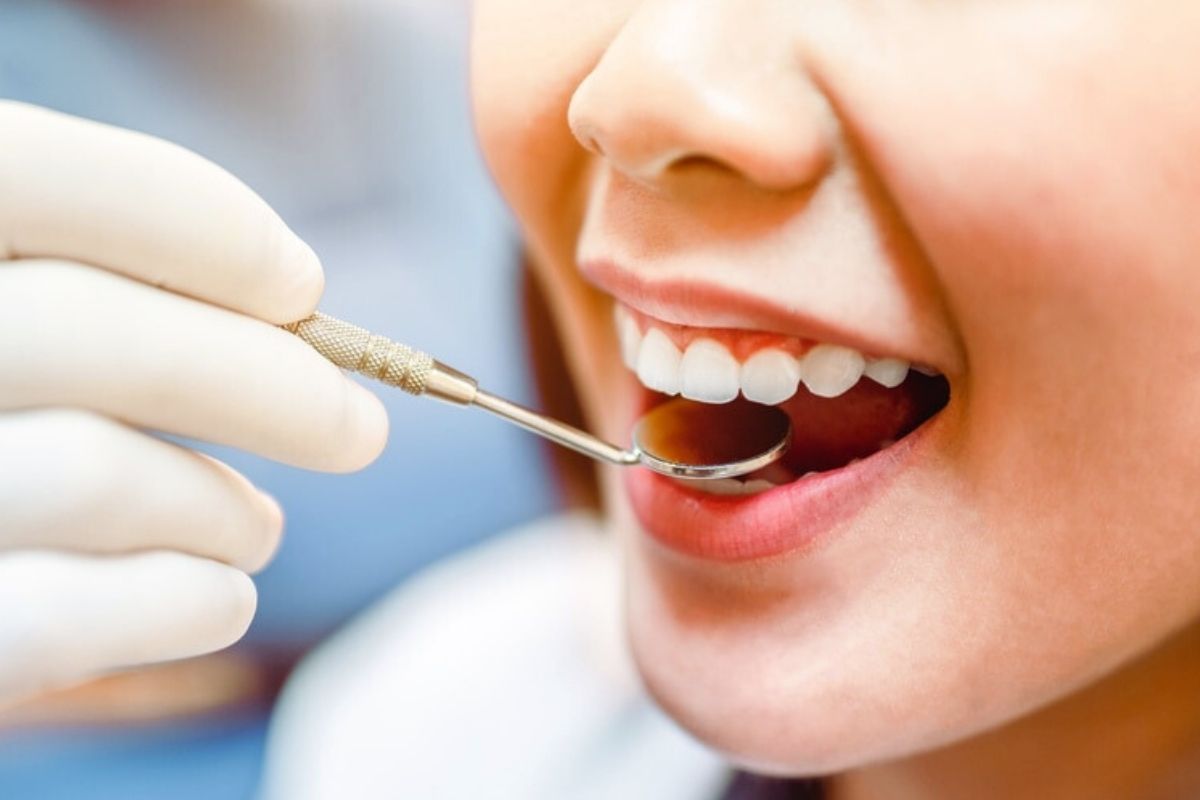
Gum disease, also known as periodontal disease, silently threatens your oral health by attacking the tissues that support your teeth. What makes it tricky is that it often goes unnoticed until significant damage has already occurred. However, by recognizing the early warning signs and understanding how dentists help prevent gum disease through expert care and tailored strategies, you can stay one step ahead and protect your smile from serious complications.
Early Signs Dentists Look For
Here are some of the early signs that your dentist will check for during your routine exam:
● Bleeding Gums: Bleeding gums, especially when brushing or flossing, are often the first sign of gingivitis, the early stage of gum disease. Healthy gums should not bleed easily, so any bleeding is a warning sign that your gums are inflamed and may need attention.
● Red or Swollen Gums: Gums that appear redder than normal or swollen could be signs of inflammation. Healthy gums are typically pale pink and firm, while inflamed gums are often a sign of bacterial infection.
● Bad Breath (Halitosis): Persistent bad breath can be caused by the bacteria that build up in the mouth due to gum disease. If you notice an unpleasant odor, especially when paired with other symptoms, it’s a good idea to consult your dentist.
● Gum Recession: If you notice that your gums are pulling away from your teeth or your teeth look longer, this could be a sign of gum recession, a common symptom of advancing gum disease. Gum recession can make your teeth more sensitive and vulnerable to decay.
● Changes in Bite or Loose Teeth: As gum disease progresses to periodontitis, it can affect the bone structure that holds your teeth in place. Loose teeth or changes in your bite are more serious signs of gum disease that require immediate attention.
How Dentists Spot Early Signs of Gum Disease
At our dental practice, we use advanced tools and expertise to detect gum disease early, even before noticeable symptoms arise. Our team will carefully evaluate the health of your gums and teeth using methods such as:
● Probing: A small, gentle instrument is used to measure the depth of the pockets between your gums and teeth. Deeper pockets can indicate the presence of gum disease and its severity.
● X-rays: X-rays are essential for identifying bone loss around your teeth, which may not be visible during a standard exam but could signal advanced stages of gum disease.
● Visual Exams: Our dentist will closely examine the color, texture, and condition of your gums to look for signs of inflammation, swelling, or other abnormalities.
When to See Our Dentist in Killeen
If you experience symptoms like bleeding gums, bad breath, or gum recession, schedule an appointment with our trusted dentist in Killeen promptly. Acting quickly can prevent the disease from progressing and save you from more invasive procedures in the future.
Recognizing the early signs of gum disease is crucial to maintaining your oral health. By partnering with our dentist and staying consistent with your oral care routine, you can prevent gum disease from taking hold. If you notice symptoms like bleeding gums or persistent bad breath, don’t wait—visit our dental office today to protect your smile and overall health.


Reviews From Our Patients
Krystle J.

Sammy, Connor, the front desk staff, Dental Hygenist and especially Dr. Town are amazing! It’s great to see the same faces everyone I get a cleaning! Sammy makes the experience comfortable and welcome. Connor may be quiet but he always does a great job! The dental hygienist always remembers me and my kids. Sorry I cant remember her name but she knows who I am and that’s what matters:) Thankful for this staff and the great care they give to my family!
Linda F.
I love it here. I have never seen a dental office give flowers to first timers. Everyone was so welcome if. In pain but you guys still made me smile. I told my daughter she need to come there. I love how you guys work with options of payment. Again thanks for making me smile in pain.
Emily C.
We’ve always had a good experience at Stonehaven. The women at the front desk are always cheerful and helpful. I love the hygienists, they always make my children and I feel comfortable and informed. I have pretty high dental anxiety and they’ve never tried to minimize my fears- but they listen to me, and help me feel as comfortable as possible. The dentists and orthodontists have been great! No issues at all. (I just wish my daughter was better at flossing, but we’re working on that!)
Yolanda R.
Oh my god, this doctor and staff are the best! They are friendly, they explained everything very thoroughly and made me feel very comfortable. The office is so clean and every one of the staff is so amazing especially Crystal! I recommend this dental office big time!!! Thank you Stonehaven Dental!!

Book Your Dental Appointment
Fill out the form and we'll follow up with a few appointment options.
"This is my first time at Stonehaven dental. Everyone was super friendly, and helpful. Dr Town came in and visited with me and together we developed a treatment plan to address the issues that were present on my teeth. Couldn't be more happy with the experience with everyone in the office!"