


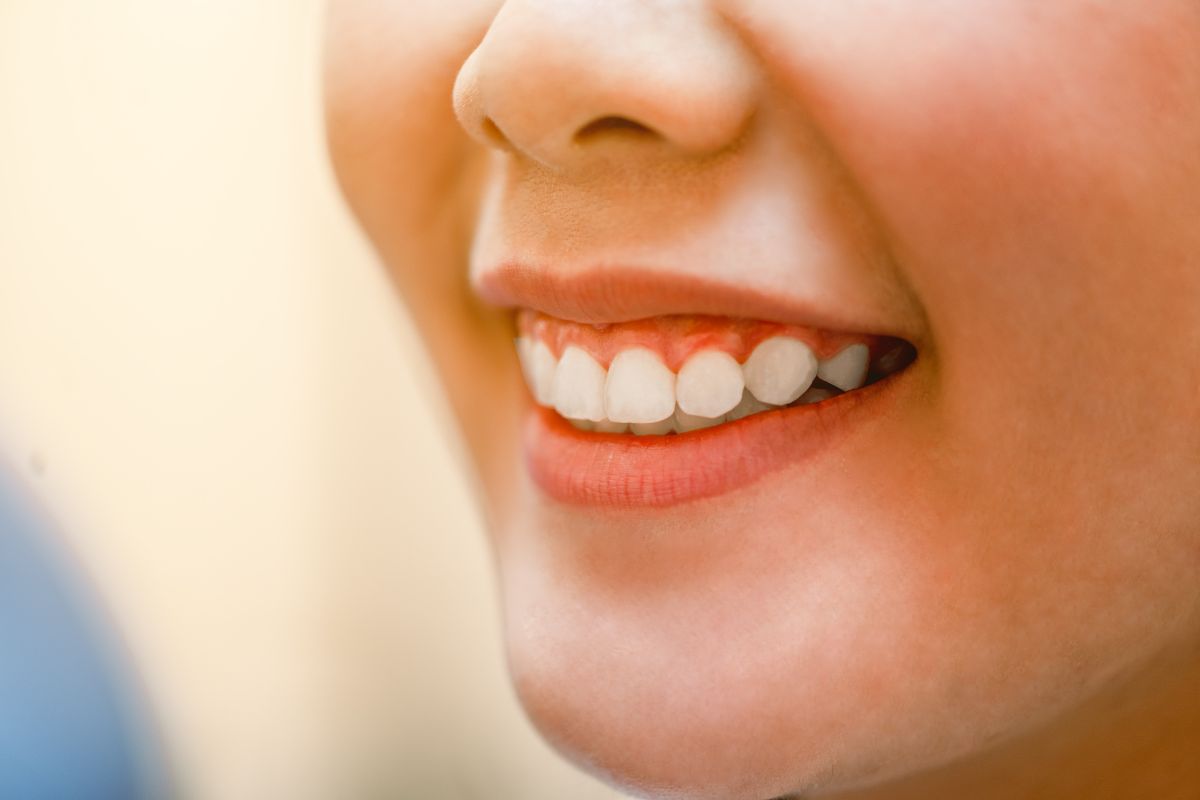
Some people smile and see mostly teeth. Others smile and notice something else: more gum than they’d like showing. This is what we call a gummy smile, when a larger-than-usual portion of gum tissue is visible above the upper teeth. For many, it’s simply how their smile has always looked. But for others, it can feel like their teeth look too short or their smile seems unbalanced.
While a gummy smile isn’t typically a dental health problem, it can become a cosmetic concern, especially if it affects how someone feels about their appearance.
At Stonehaven Dental & Orthodontics, we often talk with patients who are curious about what causes a gummy smile and whether it can be treated. Here’s what to know.
What Exactly Is a Gummy Smile?
A smile is generally considered “gummy” when more than 3 to 4 millimeters of gum tissue shows above the upper teeth. Of course, this varies depending on facial features, lip movement, and personal perception. Some people are bothered by even a small amount of visible gum, while others aren’t concerned at all.
Common Causes of Gummy Smiles
There isn’t one single cause for a gummy smile. In fact, several factors can contribute, either on their own or together:
- Excess gum tissue that covers too much of the tooth surface
- Short or worn teeth that appear smaller than average
- Hyperactive upper lip muscles, which lift the lip higher than normal when smiling
- Jaw development issues, such as vertical maxillary excess (an overgrowth of the upper jaw)
- Tooth eruption problems, where the teeth don’t emerge fully from the gums
A thorough evaluation helps determine whether the issue lies in the gums, teeth, lip movement, or jaw structure.
Cosmetic Dentistry Options for Gummy Smiles
Depending on the cause, a variety of cosmetic dentistry treatments can help reshape and rebalance the smile. Some of the most common options include:
1. Gum Contouring (Gingivectomy or Crown Lengthening)
This is often the first line of treatment when there’s excess gum tissue covering the teeth. The procedure involves carefully trimming the gum line to expose more of the tooth’s surface, creating a more proportional appearance.
2. Porcelain Veneers or Dental Crowns
If the teeth are naturally small or worn down, cosmetic restorations like veneers or crowns can help lengthen the visible part of the tooth. This works well when gum contouring alone isn’t enough to achieve the desired look.
3. Botox for Hyperactive Lip
In cases where the upper lip lifts too high while smiling, small amounts of Botox can help limit the movement and reduce gum exposure. This is a temporary solution but can be effective for the right patient.
4. Orthodontics or Orthognathic Surgery
When jaw positioning or tooth alignment is the main issue, orthodontic treatment (braces or aligners) may be needed. In rare cases where the upper jaw is significantly overgrown, surgical intervention could be considered, though that’s typically reserved for more severe cases.
Is Cosmetic Dentistry Right for Every Gummy Smile?
Not every gummy smile needs to be corrected. In many cases, it’s simply a natural variation that doesn’t cause any discomfort or concern. But for those who feel their gums draw attention away from their teeth, cosmetic dentistry may offer ways to create a more balanced look.
What’s appropriate depends on the cause of the excess gum display — whether it’s related to gum overgrowth, tooth size, or lip movement. An evaluation typically looks at the gums, teeth, and how they interact when you smile.
For individuals researching cosmetic dentistry in Waco as a way to address a gummy smile, it’s helpful to understand that treatment often starts with a detailed exam to identify the underlying cause. This helps ensure any next steps are well-suited to both your smile goals and your oral health.
What to Expect from Treatment
If you’re considering treatment for a gummy smile, here’s what typically happens:
- Consultation and evaluation: Your dentist will examine your teeth, gums, and bite, and possibly take digital images or scans.
- Treatment planning: Based on the cause, the dentist will discuss your options and what results you can expect.
- Procedure: Some treatments, like gum contouring, can be completed in a single visit. Others, such as orthodontics, take time but can have lasting benefits.
- Recovery and results: Most cosmetic procedures involve little to no downtime, and patients often notice a visible improvement right away.
In Summary
A gummy smile is more common than most people think and it’s entirely treatable in many cases. Whether it’s reshaping the gum line, restoring tooth proportions, or adjusting the way your smile functions, cosmetic dentistry offers real solutions.
If your gums are drawing more attention than your teeth, it might be time to explore your options. Contact us today and find how we can improve your smile here in Waco.
Frequently Asked Questions
1. What is considered a “gummy smile”?
A gummy smile typically means that more gum tissue than usual shows when you smile, usually more than 3 to 4 millimeters above the top teeth. While it’s not a dental health issue, some people feel that their teeth look too short or their smile seems unbalanced. Whether or not it needs treatment depends on how you feel about it.
2. Can a gummy smile be fixed without surgery?
Yes, in many cases, a gummy smile can be improved without surgery. Treatments like laser gum contouring, Botox for lip movement, or cosmetic restorations (like veneers or crowns) may be enough to reshape the smile. More complex cases involving the jaw may require orthodontics or surgical options, but that’s less common.
3. How do I know which treatment is right for my gummy smile?
The right treatment depends on what’s causing the excess gum show. If it’s extra gum tissue, a contouring procedure might help. If it’s small teeth or a hyperactive lip, other options like crowns or Botox might be better. A dental evaluation can help pinpoint the cause and guide the treatment plan.
4. Is gum contouring painful?
Gum contouring is usually a quick and comfortable procedure. It’s often done with a laser or minimally invasive tools, and local anesthesia is used to keep you comfortable. Most people describe mild soreness afterward, which goes away in a few days.

Reviews From Our Patients
Krystle J.

Sammy, Connor, the front desk staff, Dental Hygenist and especially Dr. Town are amazing! It’s great to see the same faces everyone I get a cleaning! Sammy makes the experience comfortable and welcome. Connor may be quiet but he always does a great job! The dental hygienist always remembers me and my kids. Sorry I cant remember her name but she knows who I am and that’s what matters:) Thankful for this staff and the great care they give to my family!
Linda F.
I love it here. I have never seen a dental office give flowers to first timers. Everyone was so welcome if. In pain but you guys still made me smile. I told my daughter she need to come there. I love how you guys work with options of payment. Again thanks for making me smile in pain.
Emily C.
We’ve always had a good experience at Stonehaven. The women at the front desk are always cheerful and helpful. I love the hygienists, they always make my children and I feel comfortable and informed. I have pretty high dental anxiety and they’ve never tried to minimize my fears- but they listen to me, and help me feel as comfortable as possible. The dentists and orthodontists have been great! No issues at all. (I just wish my daughter was better at flossing, but we’re working on that!)
Yolanda R.
Oh my god, this doctor and staff are the best! They are friendly, they explained everything very thoroughly and made me feel very comfortable. The office is so clean and every one of the staff is so amazing especially Crystal! I recommend this dental office big time!!! Thank you Stonehaven Dental!!

Book Your Dental Appointment
Fill out the form and we'll follow up with a few appointment options.
"This is my first time at Stonehaven dental. Everyone was super friendly, and helpful. Dr Town came in and visited with me and together we developed a treatment plan to address the issues that were present on my teeth. Couldn't be more happy with the experience with everyone in the office!"