


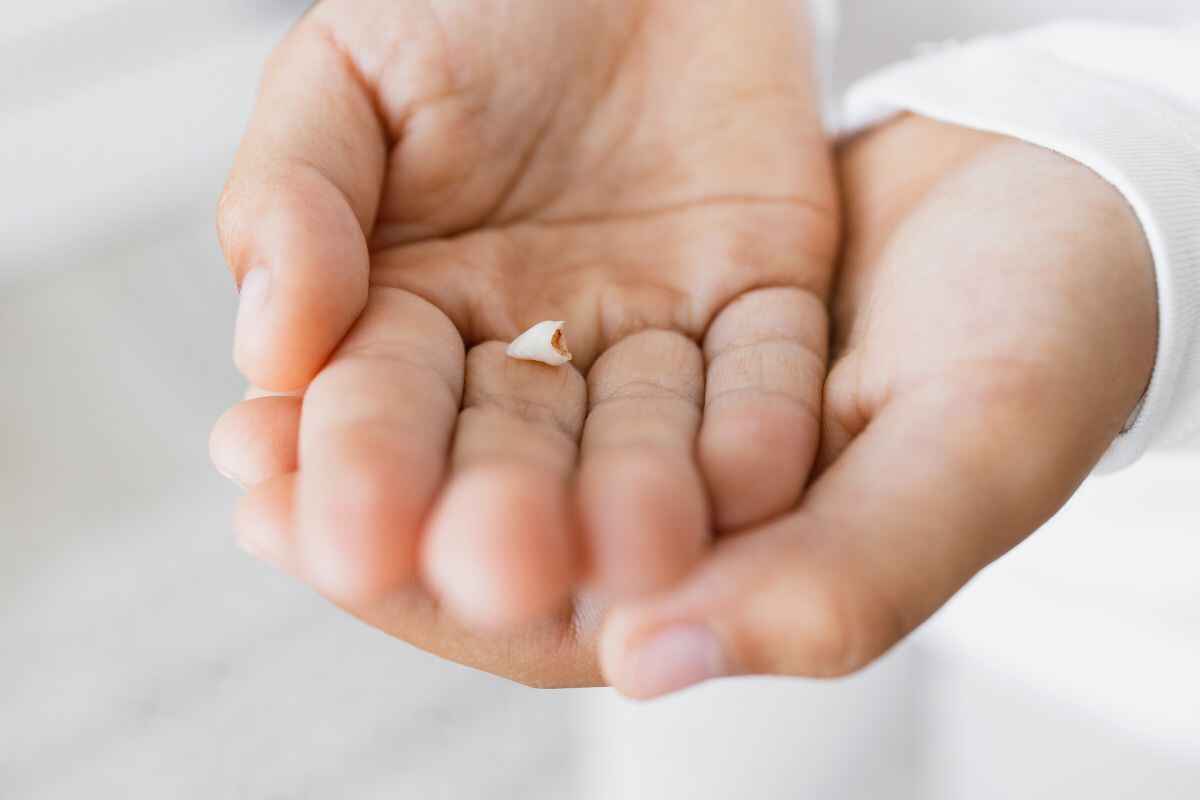
A broken tooth has a way of happening at the worst possible time during dinner, at a kids’ ball game, or when you are still getting your bearings in a new town. Not all broken teeth are the same. Some chips are small and painless, while others expose nerves and cause immediate discomfort. If there’s bleeding, apply light pressure with clean gauze or a soft cloth.
- Is the tooth chipped, cracked, or broken down near the gumline?
- Are you feeling sharp pain or sensitivity to air or temperature?
- Is there swelling in the gums, cheek, or jaw?
If you are in Killeen and suddenly dealing with a cracked or broken tooth, call our office at 254.537.5055 right away. We will guide you through the immediate steps and help you schedule an appointment at our office located at 1103 W Stan Schlueter Loop, #A200, Killeen, TX 76549.
What to Do if You are in Pain?
Pain is often what pushes people to act and understandably so. You can manage discomfort temporarily, but be careful not to cause more harm.
- Use a cold compress on the outside of your cheek to reduce swelling.
- Over-the-counter pain relievers may help, but avoid placing aspirin directly on the tooth or gums.
- If the tooth has a sharp edge, dental wax or sugar-free gum can cover it until you’re seen.
Avoid chewing on that side of your mouth. Even soft foods can worsen a crack or cause a piece of the tooth to break further.
What Not to Do After a Tooth Breaks
Try to avoid:
- Gluing the tooth back together with household adhesives
- Ignoring the break because it “doesn’t hurt that bad”
- Using home remedies that involve heat or harsh chemicals
- Waiting several days if pain or swelling is present
A broken tooth is vulnerable. Bacteria can reach the inner layers quickly, especially in our hot Central Texas climate where dehydration and dry mouth are common.
When a Broken Tooth Becomes a Dental Emergency
Some situations need prompt dental care, even if the pain comes and goes:
- The break exposes the inner tooth or nerve
- There’s ongoing bleeding
- Swelling spreads to the face or jaw
- Pain worsens at night or when biting down
- A large portion of the tooth is missing
These signs often point to damage below the surface that won’t heal on its own.
New to Killeen? Here’s What to Know
If you have just moved here, maybe for work, family, or a PCS to Fort Cavazos, it’s common not to have a dentist lined up yet. Don’t let that delay care. Dental emergencies don’t wait for paperwork or settling in.
Keep in mind:
- Emergency dental care is different from urgent care
- Tooth pain and broken teeth are best treated by a dentist, not a hospital
- Acting early often means simpler, less invasive treatment
Even if you haven’t had a chance to schedule routine visits or use our dental cleaning services yet, a broken tooth still deserves prompt attention. Our team is here to guide you through the situation with clear answers and experienced care.
Why Quick Treatment Matters
A broken tooth doesn’t fix itself. Left untreated, small cracks can turn into infections, abscesses, or tooth loss. Early care often allows dentists to restore the tooth with a filling, crown, or bonding instead of more complex procedures later.
Timely treatment also helps preserve your bite, prevent shifting teeth, and protect nearby gums and bone.
How to Protect Your Teeth Moving Forward
After the immediate issue is handled, prevention becomes the focus:
- Avoid chewing ice, popcorn kernels, or hard candies
- Wear a mouthguard during sports or physical activity
- Don’t use teeth to open packages
- Stay consistent with professional checkups to catch weak spots early
Busy, especially for families and service members, but routine care goes a long way toward avoiding unexpected emergencies.
When You Need Help, Stonehaven Dental & Orthodontics is Here
If you’ve broken a tooth while living in or visiting Killeen, you don’t have to guess what to do next. Contact our office, and our emergency team will guide you through the next steps and get you seen as soon as possible.

Reviews From Our Patients
Krystle J.

Sammy, Connor, the front desk staff, Dental Hygenist and especially Dr. Town are amazing! It’s great to see the same faces everyone I get a cleaning! Sammy makes the experience comfortable and welcome. Connor may be quiet but he always does a great job! The dental hygienist always remembers me and my kids. Sorry I cant remember her name but she knows who I am and that’s what matters:) Thankful for this staff and the great care they give to my family!
Linda F.
I love it here. I have never seen a dental office give flowers to first timers. Everyone was so welcome if. In pain but you guys still made me smile. I told my daughter she need to come there. I love how you guys work with options of payment. Again thanks for making me smile in pain.
Emily C.
We’ve always had a good experience at Stonehaven. The women at the front desk are always cheerful and helpful. I love the hygienists, they always make my children and I feel comfortable and informed. I have pretty high dental anxiety and they’ve never tried to minimize my fears- but they listen to me, and help me feel as comfortable as possible. The dentists and orthodontists have been great! No issues at all. (I just wish my daughter was better at flossing, but we’re working on that!)
Yolanda R.
Oh my god, this doctor and staff are the best! They are friendly, they explained everything very thoroughly and made me feel very comfortable. The office is so clean and every one of the staff is so amazing especially Crystal! I recommend this dental office big time!!! Thank you Stonehaven Dental!!

Book Your Dental Appointment
Fill out the form and we'll follow up with a few appointment options.
"This is my first time at Stonehaven dental. Everyone was super friendly, and helpful. Dr Town came in and visited with me and together we developed a treatment plan to address the issues that were present on my teeth. Couldn't be more happy with the experience with everyone in the office!"