


Don’t Wait for the Pain—Prevent It Instead
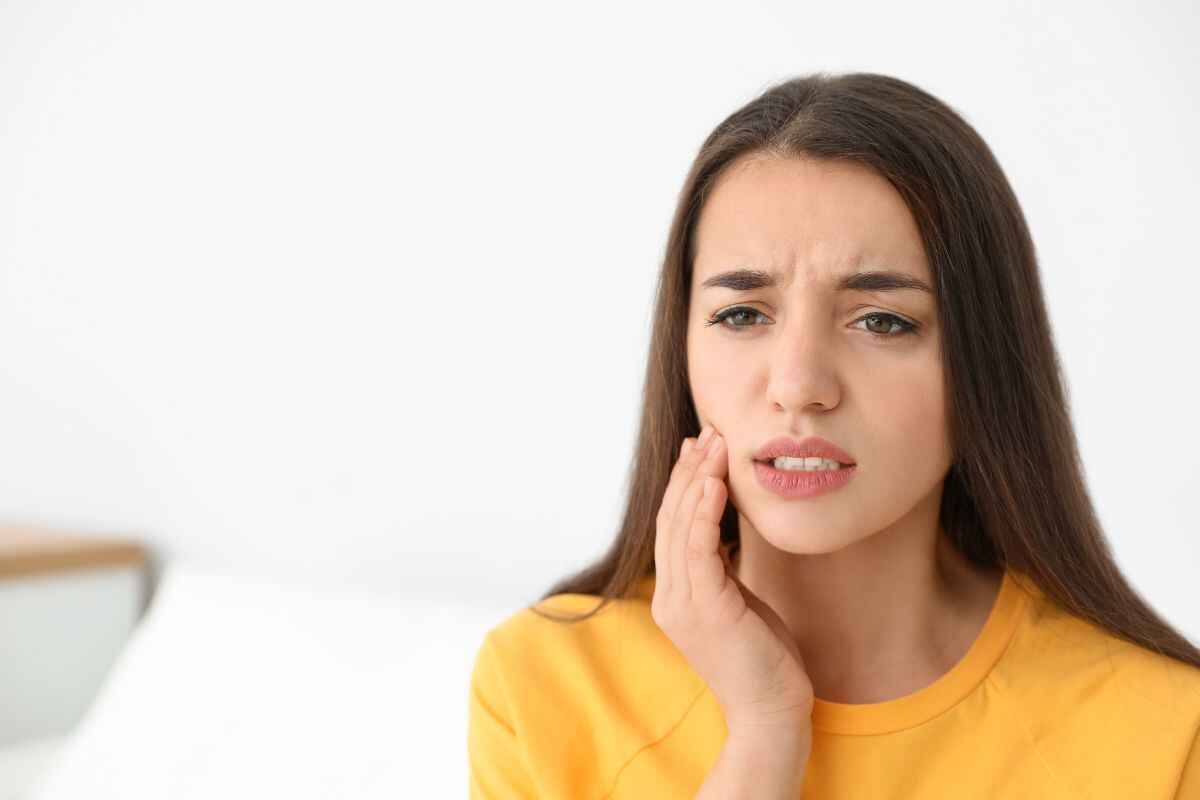
Dental emergencies never come with a warning. One moment you’re fine, and the next, you’re dealing with unbearable tooth pain, a knocked-out tooth, or a broken crown. While having access to an emergency dentist is essential, the better option is to take proactive steps to avoid those emergencies altogether. At Stonehaven Dental & Orthodontics – Burleson, we believe prevention is your best defense when it comes to protecting your smile.
Here’s how you can avoid common dental emergencies and keep your oral health in top shape year-round.
Prioritize Regular Dental Checkups
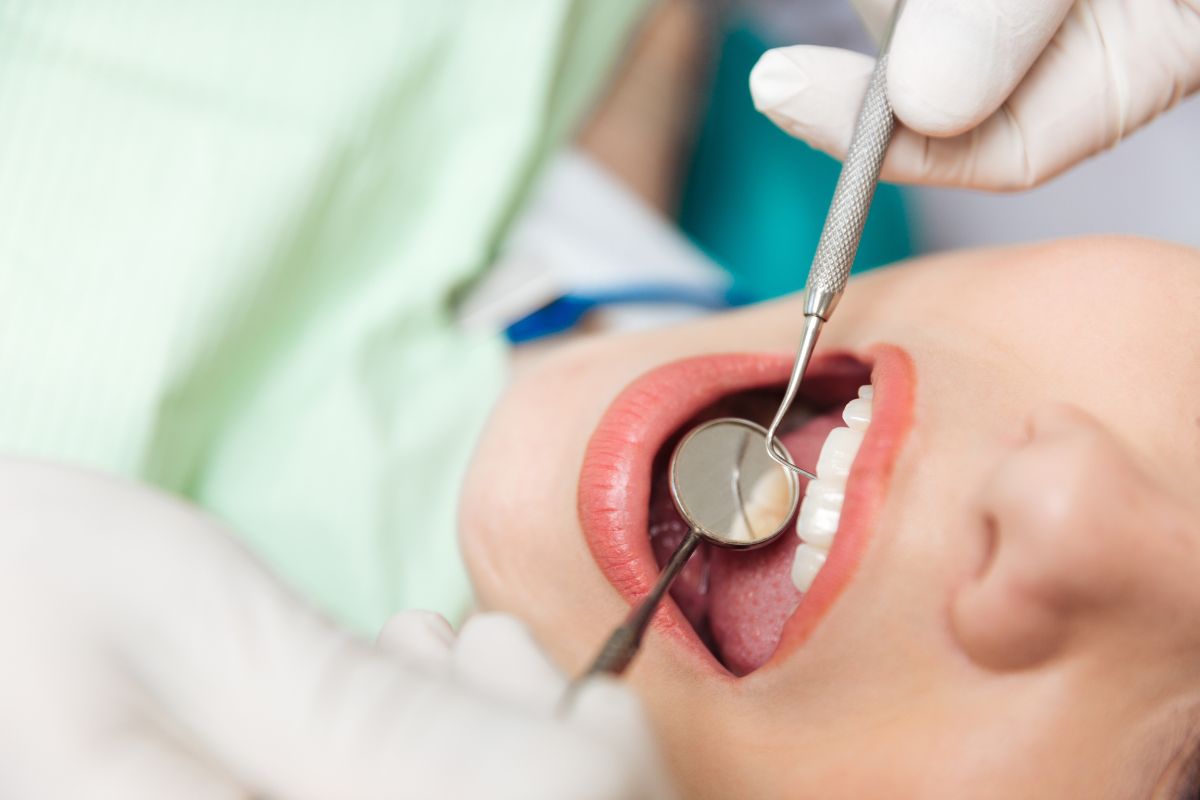
One of the most effective ways to avoid dental emergencies is to maintain routine dental visits. Many oral health issues—like decay, gum disease, or small cracks in teeth—can develop silently before turning into painful emergencies.
Why it matters:
- Early detection helps prevent complex and costly treatments.
- Professional cleanings remove tartar and plaque buildup.
- Dentists can catch weakened or worn-down dental work before it fails.
Tip: Schedule dental checkups every six months, or as recommended by your dentist.
Practice Good Oral Hygiene at Home
Your daily habits play a crucial role in your oral health. Skipping flossing or brushing improperly can cause cavities, gum infections, or even abscesses—many of which require urgent care.
Oral care must-haves:
- Brush twice daily for two minutes with fluoride toothpaste.
- Floss once a day to remove food debris and plaque.
- Use an antibacterial mouthwash to reduce harmful bacteria.
By keeping up with these habits, you lower your chances of needing an emergency dentist due to infections or decay.
Watch What (and How) You Eat
Hard, sticky, or sugary foods can damage your teeth more than you think. Chewing ice, biting popcorn kernels, or munching hard candy can crack your enamel or cause fillings to break loose.
Avoid dental damage by:
- Skipping hard foods that require forceful chewing.
- Reducing sugar intake to minimize cavity risks.
- Drinking water after meals to flush out acids and bacteria.
If you’re involved in sports or grind your teeth, wearing a mouthguard is another smart step to prevent dental trauma. If you ever experience sudden pain or tooth damage from food, our emergency dentist in Burleson is here to help you get quick relief and proper care.
Don’t Ignore the Warning Signs
That dull ache in your molar or minor gum swelling might seem harmless—but these early signs often indicate a bigger issue brewing beneath the surface. Waiting too long can turn a manageable problem into an emergency.
Signs you shouldn’t ignore:
- Sensitivity to hot or cold that lingers
- Persistent bad breath or taste
- Bleeding gums when brushing or flossing
- Loose teeth or shifting bite
Getting these symptoms checked by your dentist can stop an emergency before it starts.
Protect Restorative Work and Orthodontic Appliances
If you have crowns, fillings, braces, or aligners, proper care is non-negotiable. A cracked crown or broken bracket can quickly become a painful and costly emergency.
How to keep them safe:
- Avoid sticky or crunchy foods that could damage restorations.
- Wear your nightguard if prescribed for teeth grinding.
- Don’t use your teeth to open bottles or packaging.
At our dental office in Burleson, we often see emergencies related to damaged dental work—most of which could have been avoided with extra care.
Have an Emergency Plan in Place
Even with the best prevention, accidents can happen. Knowing where to go and what to do in an emergency can make a major difference in saving your tooth or avoiding further complications.
Here’s what you should do:
- Keep the contact details of an emergency dentist readily available for quick access during urgent situations.
- Keep a dental emergency kit at home with gauze, a small container with a lid (for a knocked-out tooth), and over-the-counter pain relief.
- Don’t delay care—acting fast can be the difference between saving or losing a tooth.
Frequently Asked Questions (FAQs)
What counts as a dental emergency?
A dental emergency includes severe tooth pain, a knocked-out or broken tooth, uncontrolled bleeding, swelling that affects breathing or swallowing, or infections causing fever.
Can I wait until morning to see the dentist if my tooth hurts at night?
If the pain is severe, throbbing, or keeping you awake, it’s best to contact an emergency dentist immediately. Delaying care can lead to serious complications.
How do I handle a knocked-out tooth?
Pick the tooth up by the crown (not the root), rinse it gently, and try to place it back in the socket. If that’s not possible, store it in milk and get to a dentist within 30–60 minutes.
Is it normal for dental fillings or crowns to fall out?
While it’s not uncommon, it’s not ideal. A lost crown or filling can lead to sensitivity and infection. Get it replaced promptly to avoid a dental emergency.
What can I do at home if I chip a tooth?
Rinse your mouth, apply a cold compress, and avoid eating on the affected side. Call your dentist to schedule urgent care.
Stay Emergency-Free with the Right Habits
Dental emergencies are stressful, painful, and often avoidable. By taking small but consistent steps—like attending regular checkups, maintaining strong oral hygiene, and avoiding risky behaviors—you can drastically reduce your chances of needing emergency care.
But if an urgent issue does arise, you can trust us to handle it swiftly and compassionately. Our experienced team is always ready to restore your comfort and oral health when it matters most.
Be proactive about your dental health today—your future self will thank you.
And remember, if you need an emergency dentist in Burleson, we’re just a call away!

Reviews From Our Patients
Krystle J.

Sammy, Connor, the front desk staff, Dental Hygenist and especially Dr. Town are amazing! It’s great to see the same faces everyone I get a cleaning! Sammy makes the experience comfortable and welcome. Connor may be quiet but he always does a great job! The dental hygienist always remembers me and my kids. Sorry I cant remember her name but she knows who I am and that’s what matters:) Thankful for this staff and the great care they give to my family!
Linda F.
I love it here. I have never seen a dental office give flowers to first timers. Everyone was so welcome if. In pain but you guys still made me smile. I told my daughter she need to come there. I love how you guys work with options of payment. Again thanks for making me smile in pain.
Emily C.
We’ve always had a good experience at Stonehaven. The women at the front desk are always cheerful and helpful. I love the hygienists, they always make my children and I feel comfortable and informed. I have pretty high dental anxiety and they’ve never tried to minimize my fears- but they listen to me, and help me feel as comfortable as possible. The dentists and orthodontists have been great! No issues at all. (I just wish my daughter was better at flossing, but we’re working on that!)
Yolanda R.
Oh my god, this doctor and staff are the best! They are friendly, they explained everything very thoroughly and made me feel very comfortable. The office is so clean and every one of the staff is so amazing especially Crystal! I recommend this dental office big time!!! Thank you Stonehaven Dental!!

Book Your Dental Appointment
Fill out the form and we'll follow up with a few appointment options.
"This is my first time at Stonehaven dental. Everyone was super friendly, and helpful. Dr Town came in and visited with me and together we developed a treatment plan to address the issues that were present on my teeth. Couldn't be more happy with the experience with everyone in the office!"