


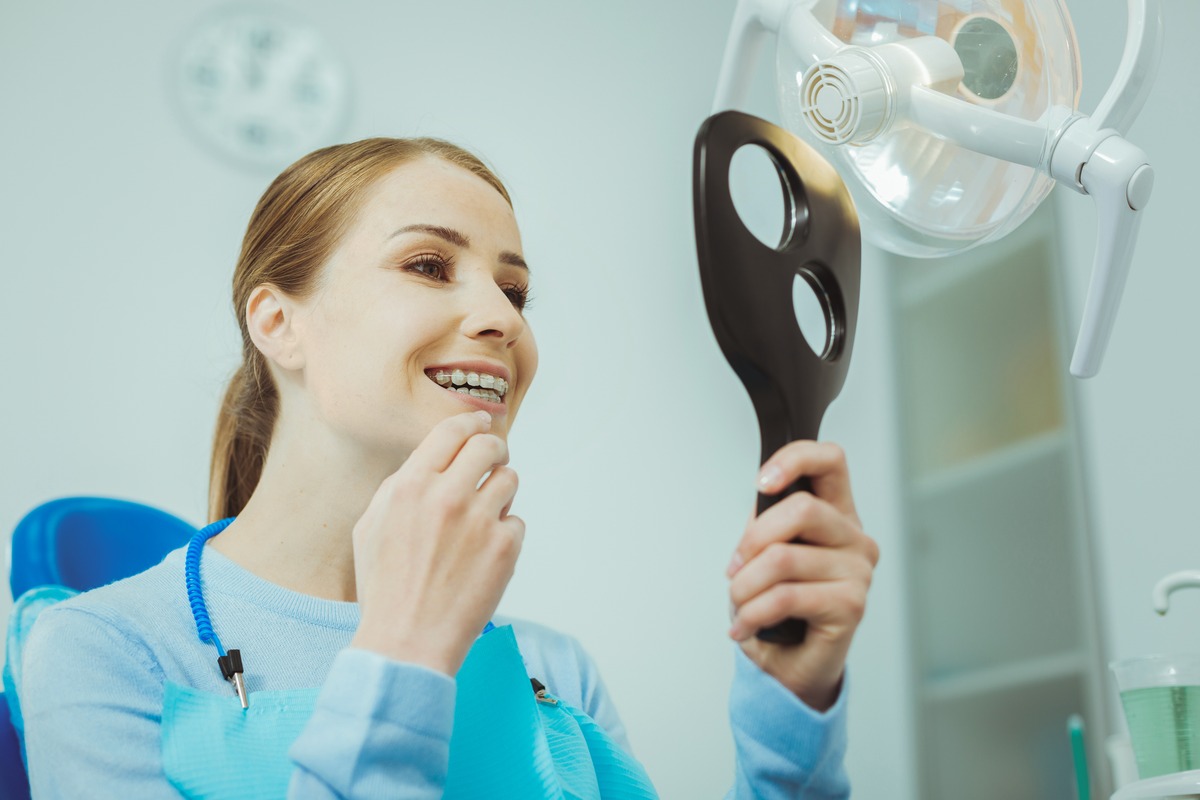
Braces do more than create an even smile – they also influence how your jaw aligns and functions. When teeth are properly positioned, the upper and lower jaws meet in a balanced way, allowing smooth movement and reducing strain on muscles and joints. Proper jaw alignment not only improves comfort while chewing and speaking but also helps prevent problems like jaw pain, uneven tooth wear, and tension headaches over time.
Let’s explore how braces work with your jaw to create balance and better oral health.
The Connection Between Your Teeth and Jaw
Your teeth and jaw rely on each other to maintain proper bite alignment. When teeth are crowded, crooked, or unevenly spaced, it can throw off how your upper and lower jaws meet. This misalignment, known as a malocclusion, can lead to issues like:
- Jaw pain or stiffness
- Clicking or popping sounds when you open or close your mouth
- Uneven wear on teeth
- Headaches or facial tension
Braces gently guide your teeth into the correct positions over time. As this happens, your jaw begins to realign naturally, improving both the function and comfort of your bite.
How Braces Realign the Jaw
The movement of your teeth during orthodontic treatment doesn’t just enhance your smile — it reshapes the way your jaw fits together. Here’s how that works:
Correcting Bite Problems:
Overbites, underbites, and crossbites often cause the jaw to strain in unnatural positions. Braces adjust the bite, allowing your jaw to rest evenly and comfortably.
Balancing Jaw Pressure:
When your teeth are misaligned, some areas of your jaw carry more pressure than others. By repositioning teeth, braces help distribute that force evenly, which can ease tension and prevent joint problems.
Improving Facial Symmetry:
A properly aligned jaw often enhances facial balance and profile. Many patients notice subtle improvements in their appearance as their bite improves.
Supporting Jaw Joint Health:
Chronic jaw discomfort, often associated with TMJ (temporomandibular joint) issues, can be relieved once teeth and bites are corrected. While braces aren’t a cure for TMJ disorders, they can significantly reduce strain on the joint.
The Role of Growth and Timing
For younger patients, timing is especially important. During growth years, braces can help guide jaw development so that the upper and lower jaws grow in harmony. This proactive approach can prevent more complex problems later in life, such as the need for jaw surgery or severe bite correction.
Adults can also experience jaw benefits from braces, though the changes are often more subtle and gradual. Even so, aligning your bite as an adult can ease long-standing tension and make chewing or speaking feel more natural.
What to Expect During Treatment
Every orthodontic journey is unique, but in general, patients can expect gradual improvement in both appearance and comfort as treatment progresses. Regular adjustments help keep your teeth moving in the right direction, allowing your jaw to adapt step by step.
For those considering traditional braces in Waco, we often discuss how metal brackets and wires remain one of the most effective methods for guiding both teeth and jaw alignment, especially for more complex bite issues.
Ready to Improve Your Smile and Jaw Alignment?
At Stonehaven Dental & Orthodontics in Waco, we take the time to understand how your teeth and jaw work together. Whether you’re experiencing discomfort, bite problems, or simply want to improve your smile, we’re here to guide you with personalized orthodontic care.
Schedule your visit to our Waco dental office to learn how braces can bring balance, comfort, and confidence to your smile and lasting relief to your jaw.
Frequently Asked Questions
1. Can braces actually change the shape of my jaw?
Yes. Braces can influence the position and alignment of your jaw by guiding how your teeth fit together. Over time, this can subtly adjust the jaw’s resting position and even improve facial balance, especially in growing patients.
2. Do braces help with jaw pain or TMJ problems?
In many cases, yes. If your jaw pain is caused by a misaligned bite or uneven pressure when chewing, braces can help correct those issues. However, if TMJ discomfort is related to other causes, additional treatments may be needed alongside orthodontic care.
3. How long does it take for braces to fix jaw alignment?
Treatment time varies depending on the complexity of your bite. Most patients begin noticing jaw comfort improvements within several months, though full realignment usually takes between 18 and 24 months.
4. Are braces the only option for correcting jaw alignment?
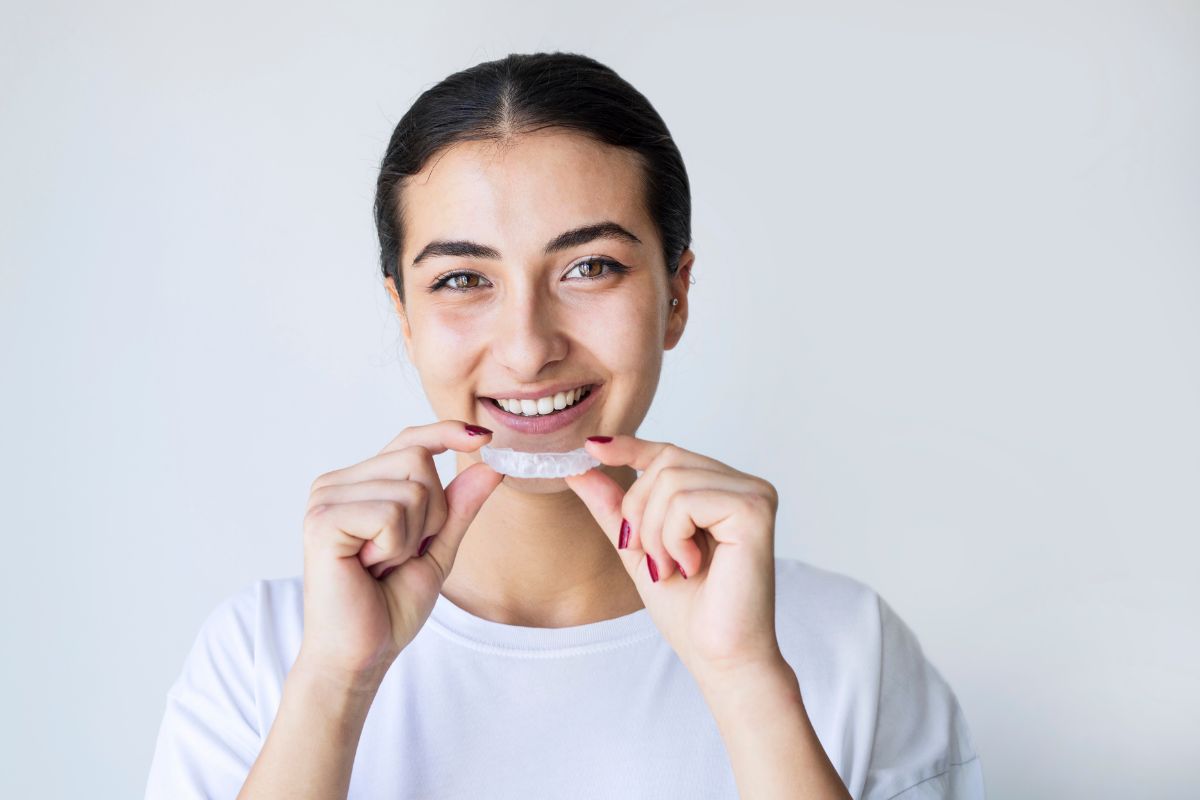
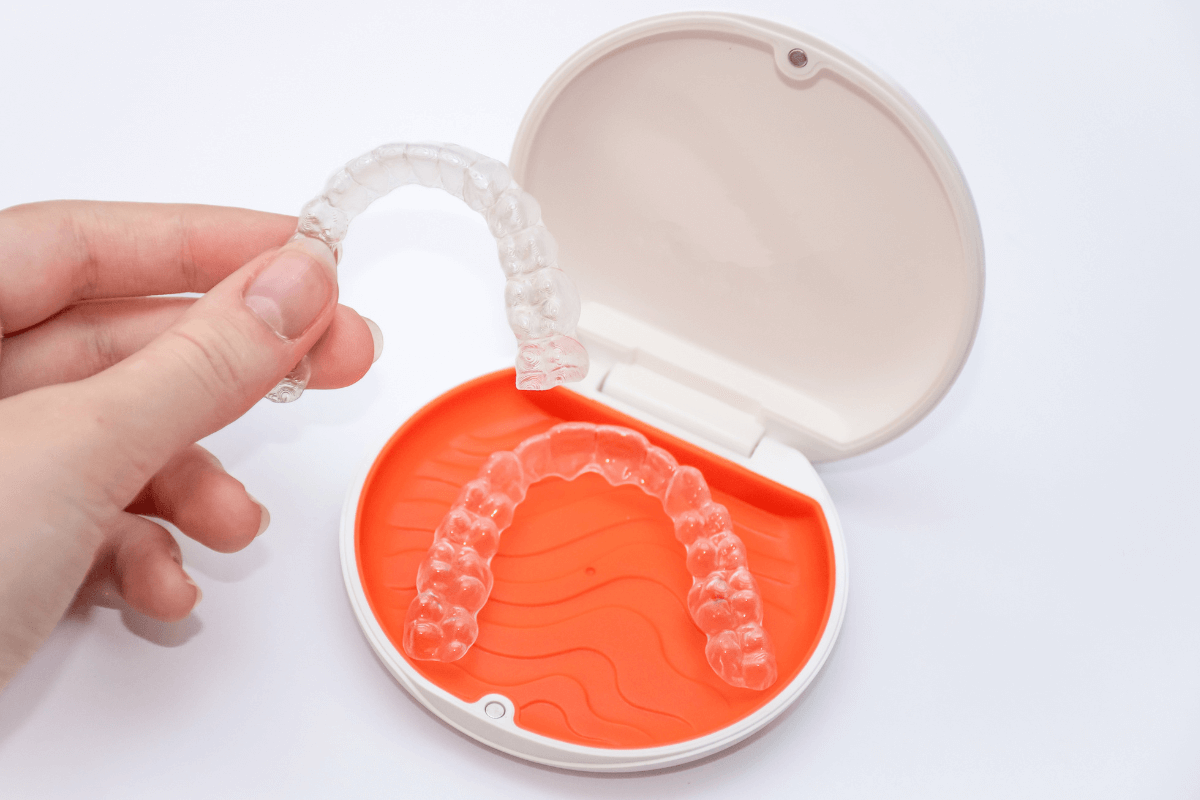
Not always. Some mild bite issues can be treated with clear aligners or minor orthodontic adjustments, while more complex cases may require a combination of braces and other treatments, such as elastics or jaw expanders.
5. Can adults still benefit from braces for jaw alignment?
Yes. While jaw bones are more adaptable during youth, adults can still experience meaningful improvements in bite function and jaw comfort with braces or other orthodontic treatments.
Reviews From Our Patients
Krystle J.

Sammy, Connor, the front desk staff, Dental Hygenist and especially Dr. Town are amazing! It’s great to see the same faces everyone I get a cleaning! Sammy makes the experience comfortable and welcome. Connor may be quiet but he always does a great job! The dental hygienist always remembers me and my kids. Sorry I cant remember her name but she knows who I am and that’s what matters:) Thankful for this staff and the great care they give to my family!
Linda F.
I love it here. I have never seen a dental office give flowers to first timers. Everyone was so welcome if. In pain but you guys still made me smile. I told my daughter she need to come there. I love how you guys work with options of payment. Again thanks for making me smile in pain.
Emily C.
We’ve always had a good experience at Stonehaven. The women at the front desk are always cheerful and helpful. I love the hygienists, they always make my children and I feel comfortable and informed. I have pretty high dental anxiety and they’ve never tried to minimize my fears- but they listen to me, and help me feel as comfortable as possible. The dentists and orthodontists have been great! No issues at all. (I just wish my daughter was better at flossing, but we’re working on that!)
Yolanda R.
Oh my god, this doctor and staff are the best! They are friendly, they explained everything very thoroughly and made me feel very comfortable. The office is so clean and every one of the staff is so amazing especially Crystal! I recommend this dental office big time!!! Thank you Stonehaven Dental!!

Book Your Dental Appointment
Fill out the form and we'll follow up with a few appointment options.
"This is my first time at Stonehaven dental. Everyone was super friendly, and helpful. Dr Town came in and visited with me and together we developed a treatment plan to address the issues that were present on my teeth. Couldn't be more happy with the experience with everyone in the office!"