


You may have wanted straighter teeth for years but never found the right time for orthodontic treatment. Between work, family responsibilities, and social commitments, traditional braces may not seem practical.
The encouraging news is that orthodontic treatment is not limited to teenagers. Many adults in their 30s, 40s, and beyond can benefit from clear aligner treatment when their teeth and supporting structures are healthy.
Invisalign offers an alternative to traditional braces for many alignment concerns. However, whether it is worth pursuing Invisalign in Killeen depends on your dental condition, expectations, lifestyle, and commitment to treatment.
How Does Invisalign Work for Adults?
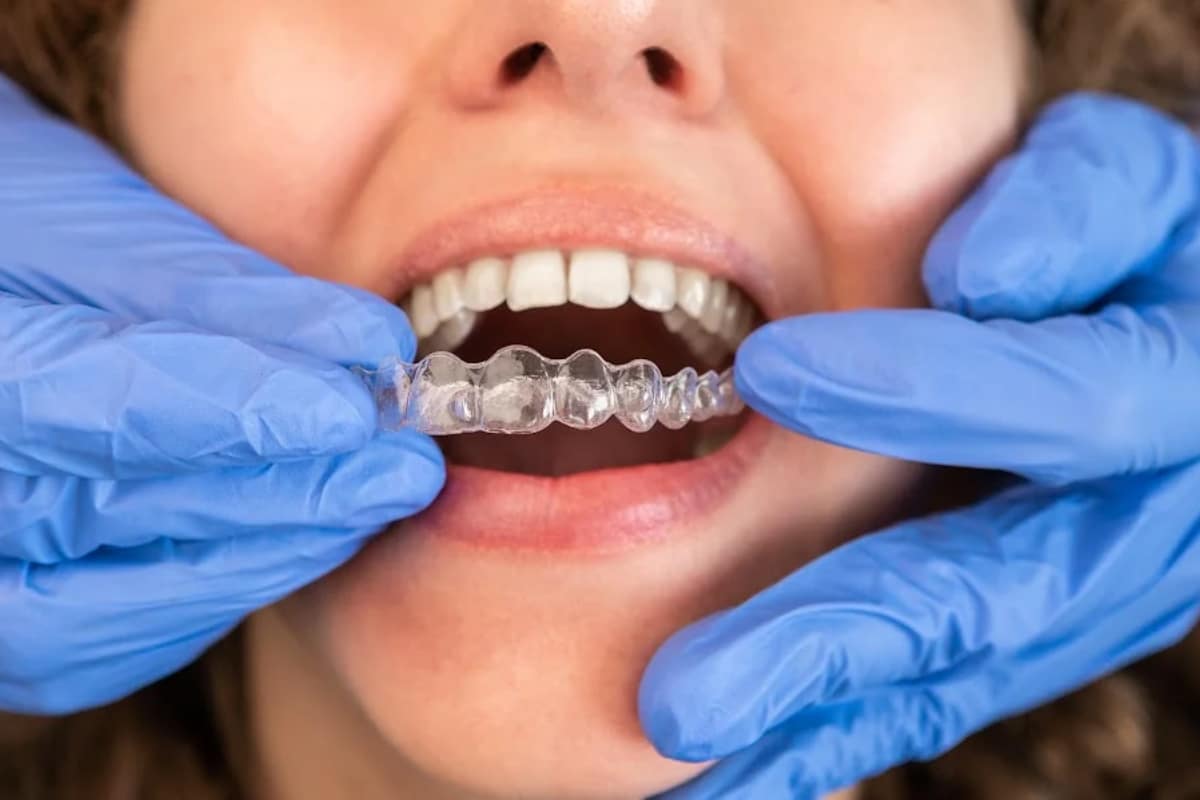
Invisalign uses a series of removable, custom-made clear aligners to gradually reposition teeth. Each aligner applies controlled pressure according to a digitally planned treatment sequence.
Patients typically change aligners every one to two weeks, depending on their prescribed plan. Regular dental or orthodontic appointments help monitor progress and determine whether adjustments are needed.
Unlike traditional braces, Invisalign aligners can be removed for meals and oral hygiene. However, successful treatment generally requires wearing them for approximately 20 to 22 hours daily.
What Dental Problems Can Invisalign Correct After Age 30?
Crowded Teeth
Crowding occurs when there is insufficient space for teeth to align properly. Overlapping teeth may create areas that are difficult to clean effectively.
Invisalign can correct many mild to moderate crowding cases. More complex situations may require additional orthodontic techniques or alternative treatments.
Gaps Between Teeth
Spaces between teeth can develop naturally or result from changes in tooth position. Some adults notice gaps becoming more prominent over time.
Clear aligners can close certain spaces by gradually moving teeth together. However, gaps caused by periodontal disease or missing teeth require careful evaluation before orthodontic treatment.
Overbite and Underbite
An overbite occurs when upper front teeth overlap lower front teeth vertically. An underbite occurs when lower teeth sit ahead of upper teeth in the front of the mouth.
Invisalign can address selected bite problems, but treatment complexity varies. Significant jaw discrepancies may require more extensive orthodontic care.
Teeth That Shifted After Previous Braces
Some adults wore braces during adolescence but stopped using their retainers. Over time, teeth may gradually move away from their corrected positions.
Invisalign may help address this orthodontic relapse. A new evaluation is necessary because the appropriate treatment depends on how much movement has occurred.
Why Are Adults Choosing Invisalign?
A More Discreet Appearance
Clear aligners are less noticeable than traditional metal braces. This makes them appealing to adults who frequently interact with clients, coworkers, or customers.
For working professionals in Killeen and the Fort Cavazos area, appearance during treatment may be an important consideration. Invisalign allows many patients to continue daily activities without prominent brackets and wires.
Easier Oral Hygiene
Traditional braces create additional areas where plaque and food particles can collect. Removable aligners allow patients to brush and floss without orthodontic brackets obstructing access.
However, aligners must be cleaned regularly and removed before eating. Patients should also clean their teeth before reinserting aligners whenever practical.
Fewer Food Restrictions
Patients with braces are often advised to avoid sticky, hard, or chewy foods that could damage orthodontic appliances. Invisalign aligners are removed during meals, so these specific appliance-related restrictions generally do not apply.
However, eating or drinking beverages other than plain water while wearing aligners can cause staining, damage, or increased cavity risk. Consistent aligner care remains essential.
Potential Improvements in Bite Function
Orthodontic treatment can sometimes improve how upper and lower teeth meet. Better alignment may also make certain areas easier to clean.
However, Invisalign should not be viewed as a guaranteed solution for jaw pain, headaches, or temporomandibular joint disorders. Those concerns require separate evaluation.
Is Invisalign More Difficult After Age 30?
Age alone does not prevent successful tooth movement. Adult teeth can respond to orthodontic forces, although treatment planning must account for mature bone, existing restorations, and periodontal health.
Adults may have crowns, fillings, implants, or missing teeth that influence treatment options. Dental implants cannot be moved orthodontically because they are anchored directly in bone.
Patients with active periodontal disease may need treatment before beginning Invisalign. Healthy supporting tissues are essential for safe orthodontic movement.
How Long Does Invisalign Take for Adults?
Treatment duration varies depending on the complexity of the alignment problem. Some relatively simple cases may take several months, while more complex cases may require 12 to 24 months or longer.
Compliance plays a major role in treatment efficiency. Wearing aligners for fewer hours than prescribed may delay progress and increase the need for refinements.
Patients should also understand that treatment does not end when the final aligner is removed. Retainers are generally necessary to help prevent teeth from shifting again.
Invisalign vs. Traditional Braces for Adults
Both Invisalign and traditional braces can produce meaningful orthodontic improvements. The appropriate option depends on tooth movement requirements, treatment complexity, and personal preferences.
Traditional braces may offer advantages for certain difficult movements because the appliances remain attached to the teeth. Invisalign provides removability and a less noticeable appearance but depends heavily on patient compliance.
An orthodontic consultation helps determine which approach offers predictable results for your particular situation. Patients should prioritize long-term oral health over appearance alone.
Is Invisalign Worth the Investment?
The value of Invisalign extends beyond its appearance. Patients may appreciate improved tooth alignment, easier cleaning, and greater confidence when smiling.
However, treatment requires financial planning, daily discipline, and long-term retainer use. Insurance coverage varies, and not every dental plan includes adult orthodontic benefits.
Before beginning treatment, request an explanation of the expected duration, total fees, retainer costs, and possible refinements. Understanding these details helps you make an informed decision.
FAQs About Invisalign for Adults in Killeen
1. Can I get Invisalign at 40 or 50?
Yes, many adults in their 40s and 50s are candidates for Invisalign. The condition of their teeth, gums, and supporting bone matters more than chronological age.
2. Does Invisalign hurt more for adults?
Patients may experience temporary pressure or soreness when beginning treatment or changing aligners. Discomfort is usually manageable, although individual experiences vary.
3. How much does Invisalign cost in Killeen, TX?
Costs depend on case complexity, treatment duration, and the services included in the plan. A consultation at Stonehaven Dental & Orthodontics can help establish an individualized estimate.
4. Can Invisalign fix teeth that shifted after braces?
Yes, Invisalign can correct many cases of orthodontic relapse. Your dentist must first evaluate your current alignment and determine the amount of movement required.
Your Smile Can Change at Any Age
Turning 30 does not mean you have missed your opportunity for orthodontic treatment. With appropriate planning and consistent aligner wear, many adults can improve their dental alignment.
Stonehaven Dental & Orthodontics offers Invisalign treatment options in Killeen, TX. Schedule an appointment to find out whether clear aligners fit your oral health needs and lifestyle.


Reviews From Our Patients
Krystle J.

Sammy, Connor, the front desk staff, Dental Hygenist and especially Dr. Town are amazing! It’s great to see the same faces everyone I get a cleaning! Sammy makes the experience comfortable and welcome. Connor may be quiet but he always does a great job! The dental hygienist always remembers me and my kids. Sorry I cant remember her name but she knows who I am and that’s what matters:) Thankful for this staff and the great care they give to my family!
Linda F.
I love it here. I have never seen a dental office give flowers to first timers. Everyone was so welcome if. In pain but you guys still made me smile. I told my daughter she need to come there. I love how you guys work with options of payment. Again thanks for making me smile in pain.
Emily C.
We’ve always had a good experience at Stonehaven. The women at the front desk are always cheerful and helpful. I love the hygienists, they always make my children and I feel comfortable and informed. I have pretty high dental anxiety and they’ve never tried to minimize my fears- but they listen to me, and help me feel as comfortable as possible. The dentists and orthodontists have been great! No issues at all. (I just wish my daughter was better at flossing, but we’re working on that!)
Yolanda R.
Oh my god, this doctor and staff are the best! They are friendly, they explained everything very thoroughly and made me feel very comfortable. The office is so clean and every one of the staff is so amazing especially Crystal! I recommend this dental office big time!!! Thank you Stonehaven Dental!!

Book Your Dental Appointment
Fill out the form and we'll follow up with a few appointment options.
"This is my first time at Stonehaven dental. Everyone was super friendly, and helpful. Dr Town came in and visited with me and together we developed a treatment plan to address the issues that were present on my teeth. Couldn't be more happy with the experience with everyone in the office!"