



When most people think of cavities, they picture toothaches, sensitivity, or discomfort while eating sweets. However, not all cavities announce their presence with pain. In fact, many cases of tooth decay develop quietly, earning them the name “silent cavities.” These hidden threats can go unnoticed for months—or even years—if you’re not looking for the right signs.
At Stonehaven Dental & Orthodontics, our dentist is committed to helping patients in Burleson, TX, and surrounding communities like Joshua, Rendon, and Crowley stay one step ahead of dental issues. In this blog, we’ll explain how to recognize tooth decay even when there’s no pain and what steps you can take to protect your smile.
What Are Silent Cavities?
Silent cavities are areas of tooth decay that don’t cause noticeable symptoms—at least not right away. Unlike cavities that trigger pain or sensitivity, these can progress beneath the surface, slowly damaging the tooth enamel and dentin. By the time symptoms appear, the cavity may be advanced and require more involved treatment.
Why Don’t They Hurt?
Pain usually develops when a cavity reaches the inner layer of the tooth—the pulp—where nerves and blood vessels are located. Silent cavities often form in hard-to-see areas, like between teeth or underneath existing dental work. They stay painless until the decay reaches the nerve tissue. That’s why regular dental visits are essential, even if your teeth feel fine.
Silent Cavity Symptoms to Watch For
Even without pain, there are subtle warning signs that a cavity might be forming. Keep an eye out for:
- White or brown spots on your teeth (especially near the gumline or between teeth)
- Mild sensitivity to cold, hot, or sweet foods
- Rough or pitted areas you can feel with your tongue
- Bad breath or a lingering bad taste in your mouth
- Visible holes or dark spots on the surface of a tooth
- A bite that feels “off” or a slight shift in how your teeth fit together
While these symptoms may not be painful, they can be early indicators of decay and should be evaluated by a dentist.
Why Regular Dental Exams Matter
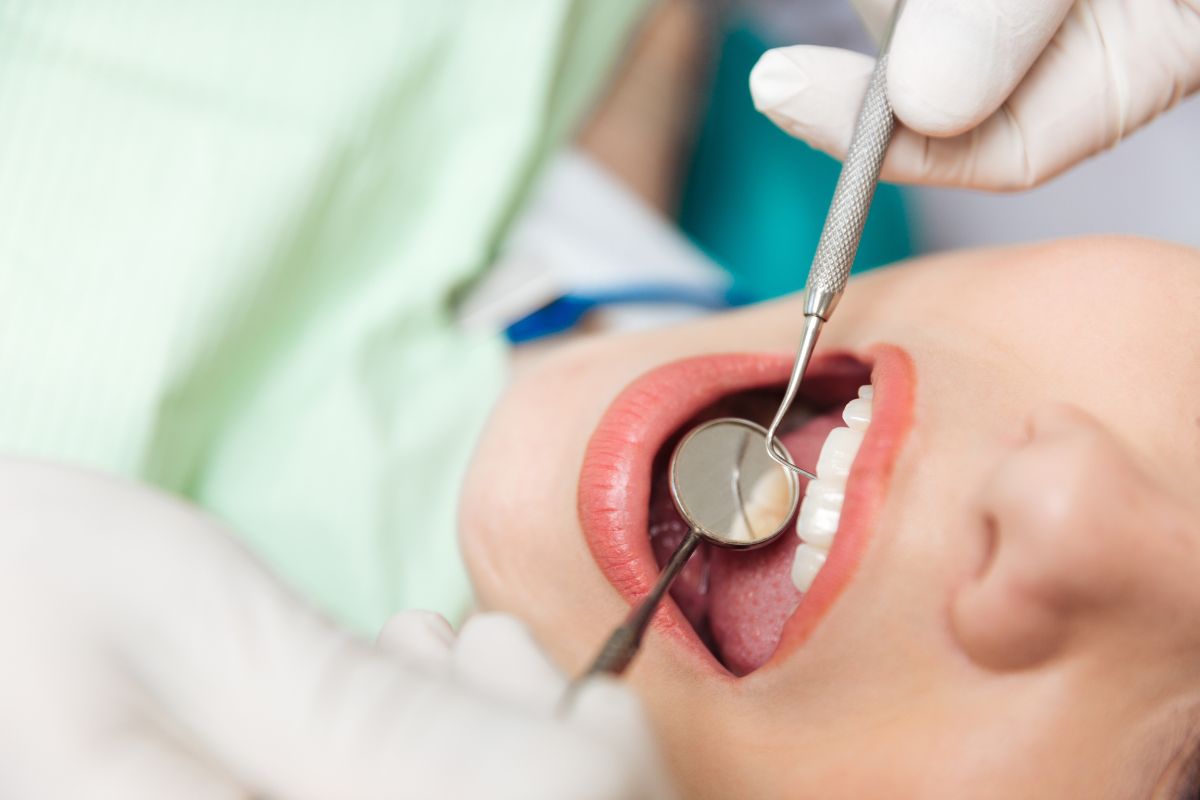
Because silent cavities are difficult to spot at home, routine dental exams are your best defense. When you visit our Burleson dental office, our dentist uses digital X-rays and detailed oral exams to detect cavities in their earliest stages, often before any symptoms appear.
Early detection allows us to treat decay with simpler, less invasive options like fillings or sealants, instead of more extensive procedures such as root canals or crowns.
How to Prevent Silent Cavities
Preventing silent cavities begins with good oral hygiene and consistent dental care. Here’s how you can stay proactive:
- Brush twice a day with fluoride toothpaste
- Floss daily to remove plaque and food debris between teeth
- Limit sugary snacks and beverages
- Visit your dentist every six months for cleanings and check-ups
- Ask your dentist about sealants for added protection
Serving Burleson and Nearby Communities
Whether you’re in Burleson, Joshua, Rendon, or Crowley, Stonehaven Dental & Orthodontics is here to help you stay ahead of cavities and maintain a healthy smile. Don’t wait for pain to signal a problem— contact us with our dentist today and let us help you catch decay before it leads to serious damage.


Reviews From Our Patients
Krystle J.

Sammy, Connor, the front desk staff, Dental Hygenist and especially Dr. Town are amazing! It’s great to see the same faces everyone I get a cleaning! Sammy makes the experience comfortable and welcome. Connor may be quiet but he always does a great job! The dental hygienist always remembers me and my kids. Sorry I cant remember her name but she knows who I am and that’s what matters:) Thankful for this staff and the great care they give to my family!
Linda F.
I love it here. I have never seen a dental office give flowers to first timers. Everyone was so welcome if. In pain but you guys still made me smile. I told my daughter she need to come there. I love how you guys work with options of payment. Again thanks for making me smile in pain.
Emily C.
We’ve always had a good experience at Stonehaven. The women at the front desk are always cheerful and helpful. I love the hygienists, they always make my children and I feel comfortable and informed. I have pretty high dental anxiety and they’ve never tried to minimize my fears- but they listen to me, and help me feel as comfortable as possible. The dentists and orthodontists have been great! No issues at all. (I just wish my daughter was better at flossing, but we’re working on that!)
Yolanda R.
Oh my god, this doctor and staff are the best! They are friendly, they explained everything very thoroughly and made me feel very comfortable. The office is so clean and every one of the staff is so amazing especially Crystal! I recommend this dental office big time!!! Thank you Stonehaven Dental!!

Book Your Dental Appointment
Fill out the form and we'll follow up with a few appointment options.
"This is my first time at Stonehaven dental. Everyone was super friendly, and helpful. Dr Town came in and visited with me and together we developed a treatment plan to address the issues that were present on my teeth. Couldn't be more happy with the experience with everyone in the office!"