


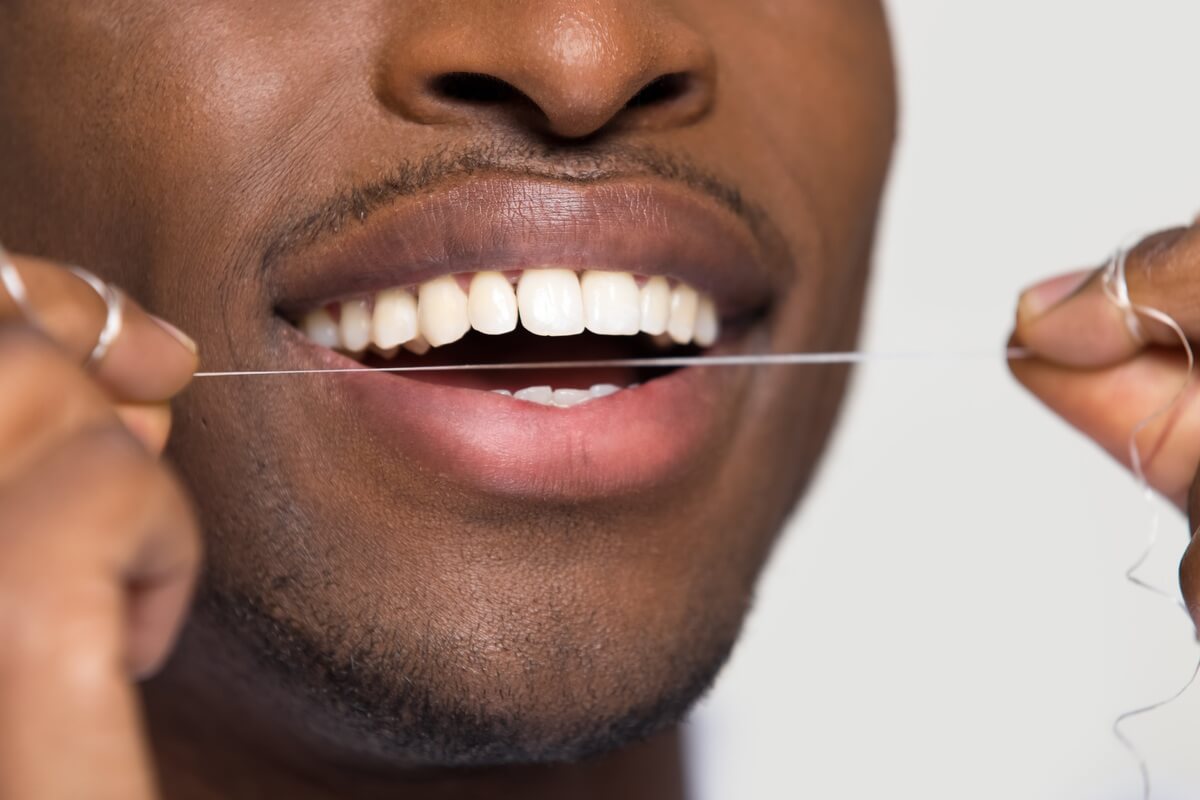
The type of floss for your teeth, such as waxed, unwaxed, floss picks, or dental tape, depends on your teeth spacing, gum sensitivity, and personal preference. Waxed floss works best for tightly spaced teeth, unwaxed floss suits normal spacing and a squeaky-clean feel, floss picks are great for convenience and dexterity challenges, and dental tape is ideal for people with wider gaps or sensitive gums. Each option removes plaque and food particles effectively when used correctly.
In this guide, your trusted Waco dentist will explain how each type works, who it’s best for, and how to make flossing a comfortable part of your daily routine.
4 Types of Dental Floss
Waxed Dental Floss: Smooth and Reliable
Waxed dental floss is coated with a thin layer of wax that helps it glide easily between teeth. This makes it ideal for people who have teeth that are tightly spaced or slightly crowded. The coating reduces friction, preventing the floss from fraying or snapping as you move it between your teeth.
Best for:
- Individuals with tight contacts between teeth
- Those new to flossing who need a smoother glide
- Anyone who prefers a sturdier, less breakable strand
Waxed floss often has a light flavoring (like mint) that leaves your mouth feeling extra fresh. It’s a reliable, everyday choice for most people.
Unwaxed Dental Floss: Simple and Effective
Unwaxed floss is a straightforward, uncoated nylon strand. It’s slightly thinner than waxed floss, which can help it fit into even the smallest spaces. However, it’s more likely to shred or break when used between crowded teeth.
Some patients prefer unwaxed floss because it creates a subtle squeaking sound when it removes plaque—a satisfying sign that it’s working.
Best for:
- People with normal or slightly spaced teeth
- Those who prefer a minimalist or eco-friendly option
- Flossers who like a tactile sense of plaque removal
If your teeth are close together or you wear braces, unwaxed floss might be tricky to use comfortably.
Floss Picks: Convenient and Portable
Floss picks are small plastic tools with a piece of floss stretched across a handle. They’re great for on-the-go cleaning and for anyone who struggles with wrapping traditional floss around their fingers.
Best for:
- Kids or people with limited hand mobility
- Those who travel or need quick cleaning after meals
- Anyone who dislikes handling string floss
While picks are handy, they don’t offer as much control as traditional floss. If you use them, be sure to move to a new section of the floss for each tooth to avoid spreading plaque.
Dental Tape: Gentle on Gums
Dental tape looks like a flat ribbon rather than a string. It’s wider and smoother, making it gentler on gums and less likely to snap. Many patients with braces, bridges, or gaps between teeth find dental tape easier to use and more comfortable.
Best for:
- People with larger spaces between teeth
- Those with sensitive gums or dental work
- Anyone who finds standard floss too thin or harsh
If traditional floss tends to cut into your gums, dental tape is a kinder alternative that still cleans effectively.
How to Choose the Right Type for You
Choosing the right floss depends on your teeth’s spacing, gum sensitivity, and personal comfort. Here’s a quick guide:
- Tight teeth? Try waxed floss.
- Normal spacing? Unwaxed works well.
- Braces or bridges? Consider dental tape or a floss threader.
- Always on the move? Floss picks can help maintain consistency.
What matters most isn’t which type you choose—it’s that you floss once a day, every day. Consistent flossing removes food particles, reduces plaque buildup, and helps prevent gum disease.
In a published resource, the American Dental Association (ADA) pronounced flossing an essential part of taking care of your teeth and gums.
What Happens When You Skip Flossing for a Month?
It might not seem like a big deal to skip flossing for a few days—or even a few weeks—but your mouth starts to notice much sooner than you think. Within just 24 to 48 hours, plaque begins to harden into tartar, which can’t be removed by brushing alone. After a week or two, your gums may become inflamed or tender, signaling the early stage of gingivitis.
By the end of a month without flossing, bacteria trapped between teeth can trigger persistent bad breath, gum bleeding, and buildup along the gumline. Left unchecked, this can progress into periodontal (gum) disease, where the tissues supporting your teeth begin to weaken.
Getting back on track is simple. Resume daily flossing, use a fluoride toothpaste, and schedule a professional cleaning if it’s been a while. Your gums can recover quickly when cared for consistently.
Healthy Smiles Start with the Right Routine
The type of floss you use is a personal choice, but the habit itself is nonnegotiable for long-term oral health. Whether you prefer waxed floss, dental tape, or picks, what matters most is that you make it a part of your daily dental care routine.
At Stonehaven Dental & Orthodontics, we’ve seen how a simple commitment to flossing can transform oral health over time.
If you’re unsure which floss is right for your smile, or if you’d like to learn proper technique, schedule a visit to our dental office in Waco location for personalized guidance. Our experienced dental professionals will assess your unique needs and guide you toward the healthiest, most comfortable dental routine for you.
FAQs
1. Is waxed or unwaxed floss better for tight teeth?
Waxed floss is usually better for tight spaces because the thin wax coating helps it glide smoothly between teeth without shredding. Unwaxed floss can work too, but it may fray if your teeth are very close together.
2. Can floss picks replace regular flossing?
Floss picks are convenient, especially for travel or people with limited hand mobility, but they don’t allow as much control as traditional floss. If you use picks, make sure to move to a clean section of floss for each tooth to avoid spreading bacteria.
3. What’s the difference between dental tape and regular floss?
Dental tape is broader and flatter, making it gentler on gums and easier to use for people with larger gaps between teeth or dental work like bridges. Regular floss is thinner and can fit into tighter spaces more easily.
4. How often should I floss for best results?
You should floss once a day to remove plaque and debris from between teeth where brushing can’t reach. Consistent daily flossing helps prevent gum disease, cavities, and bad breath.



Reviews From Our Patients
Krystle J.

Sammy, Connor, the front desk staff, Dental Hygenist and especially Dr. Town are amazing! It’s great to see the same faces everyone I get a cleaning! Sammy makes the experience comfortable and welcome. Connor may be quiet but he always does a great job! The dental hygienist always remembers me and my kids. Sorry I cant remember her name but she knows who I am and that’s what matters:) Thankful for this staff and the great care they give to my family!
Linda F.
I love it here. I have never seen a dental office give flowers to first timers. Everyone was so welcome if. In pain but you guys still made me smile. I told my daughter she need to come there. I love how you guys work with options of payment. Again thanks for making me smile in pain.
Emily C.
We’ve always had a good experience at Stonehaven. The women at the front desk are always cheerful and helpful. I love the hygienists, they always make my children and I feel comfortable and informed. I have pretty high dental anxiety and they’ve never tried to minimize my fears- but they listen to me, and help me feel as comfortable as possible. The dentists and orthodontists have been great! No issues at all. (I just wish my daughter was better at flossing, but we’re working on that!)
Yolanda R.
Oh my god, this doctor and staff are the best! They are friendly, they explained everything very thoroughly and made me feel very comfortable. The office is so clean and every one of the staff is so amazing especially Crystal! I recommend this dental office big time!!! Thank you Stonehaven Dental!!

Book Your Dental Appointment
Fill out the form and we'll follow up with a few appointment options.
"This is my first time at Stonehaven dental. Everyone was super friendly, and helpful. Dr Town came in and visited with me and together we developed a treatment plan to address the issues that were present on my teeth. Couldn't be more happy with the experience with everyone in the office!"