


If your tooth starts hurting every time you sip sweet tea, bite into barbecue, or drink something cold, there’s a good chance a cavity is trying to get your attention. Tooth decay doesn’t usually show up all at once. Most cavities start small and quiet, then turn into bigger problems when folks put off treatment too long.
Here at Stonehaven Dental & Orthodontics Burleson Office, we see it every day that patients dealing with tooth sensitivity, dark spots on teeth, pain while chewing, or old fillings that finally gave out.
In this guide, we’re walking you through the common signs of cavities, how dental fillings work, what causes tooth decay, and the best ways to prevent cavities before they turn into root canals or broken teeth.
What Causes Cavities in the First Place?
A cavity forms when bacteria in your mouth feed on sugars and starches left behind on your teeth. Those bacteria create acid, and over time that acid wears down your enamel.
Once enamel weakens, decay starts digging deeper into the tooth structure.
Now here in Burleson, we’re no strangers to sweet tea, soft drinks, sports drinks, and late-night snacks. Add in rushed brushing habits or skipped dental cleanings, and cavities can develop faster than most people realize.
Some common causes of tooth decay include:
- Poor brushing and flossing habits
- Sugary foods and drinks
- Dry mouth
- Plaque buildup
- Skipping regular dental checkups
- Cracked or worn fillings
- Grinding your teeth at night
- Frequent snacking throughout the day
Even patients who brush daily can still develop cavities between teeth or under old restorations.
Early Signs of a Cavity You Shouldn’t Ignore
One of the biggest mistakes we see is folks waiting until a cavity hurts badly before scheduling a dental visit. Truth is, early-stage tooth decay often gives subtle warning signs.
Watch for symptoms like:
Tooth Sensitivity
If cold drinks, hot coffee, or sweets suddenly bother one tooth, decay may be wearing through the enamel.
Pain While Chewing
A cavity weakens the tooth structure. Pressure from chewing can trigger discomfort or sharp pain.
Dark Spots or Small Holes
Brown, black, or chalky white spots on teeth can signal enamel damage.
Persistent Toothache
A lingering ache usually means the decay has moved deeper toward the nerve.
Bad Breath or Bad Taste
Bacteria trapped inside decayed areas can create unpleasant odors or tastes.
Food Getting Stuck in One Spot
This often happens when decay creates tiny openings between teeth.
If you notice any of these symptoms, it’s smart to get your teeth checked before the problem spreads.
What Happens If You Leave a Cavity Untreated?
Cavities do not heal on their own. A small cavity may only need a simple tooth-colored filling. But when decay keeps spreading, it can lead to:
- Severe tooth pain
- Tooth infections
- Swollen gums
- Cracked teeth
- Root canal treatment
- Dental crowns
- Tooth extraction
The longer decay sits inside the tooth, the more damage it causes beneath the surface.
How Dental Fillings Work
For most cavities, a dental filling is the quickest and most effective treatment.
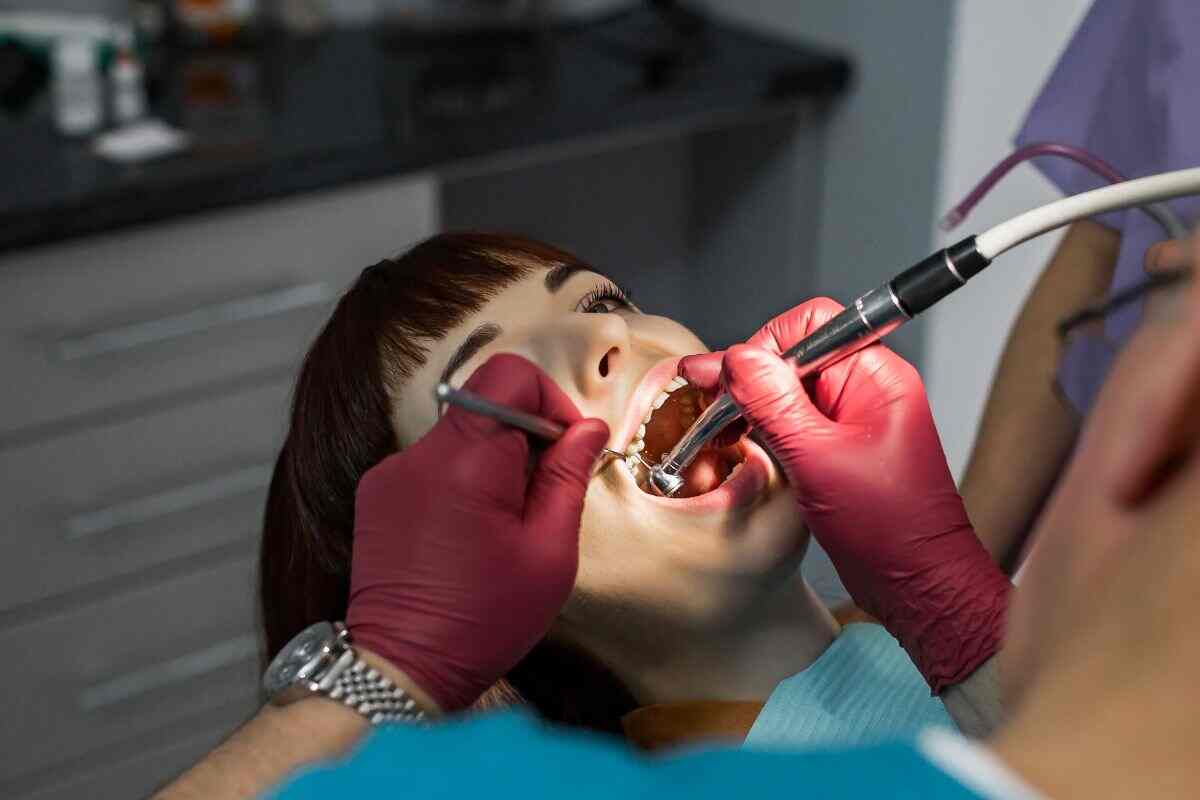
At our Burleson practice, our dentist removes the damaged portion of the tooth, cleans out the decay, and places a strong filling material to restore the tooth’s shape and function.
Most folks prefer tooth-colored fillings because they blend naturally with the rest of the smile.
Benefits of Tooth-Colored Fillings
- Natural appearance
- Strong and durable
- Bonds directly to the tooth
- Preserves more healthy tooth structure
- Mercury-free option
Getting a filling is usually straightforward. In many cases, patients return to work or normal activities the same day.
How Do You Know If You Need a Filling?
Not every cavity causes major pain right away.
You may need a dental filling if you have:
- Tooth sensitivity
- Visible pits or holes
- Pain when eating sweets
- Sharp pain while biting
- Rough edges on a tooth
- Food trapping between teeth
- Old fillings that feel loose or cracked
Routine dental exams help us catch cavities before they become serious problems.
That’s one reason regular cleanings and exams matter so much.
Preventing Cavities Starts at Home
We’d always rather help patients prevent cavities than fix large areas of damage later on.
A few consistent habits go a long way.
Brush Twice a Day
Use fluoride toothpaste and brush for a full two minutes.
Floss Every Day
Floss removes plaque and food particles where toothbrushes can’t reach.
Cut Back on Sugary Drinks
Sweet tea, soda, energy drinks, and sports drinks feed cavity-causing bacteria.
Drink More Water
Water helps rinse away food debris and keeps saliva flowing.
Don’t Skip Dental Cleanings
Professional cleanings remove hardened tartar that brushing alone cannot remove.
Wear a Night Guard if You Grind Your Teeth
Teeth grinding can weaken enamel and increase the risk of cracks and decay.
Ask About Fluoride Treatments
Fluoride strengthens enamel and helps slow early tooth decay.
Are Cavities More Common in Adults?
Yes. A lot of people think cavities are mostly a kids’ problem, but adults in Burleson deal with tooth decay all the time.
In adults, we often see:
- Decay around old fillings
- Root cavities caused by gum recession
- Dry mouth related to medications
- Cracked teeth trapping bacteria
- Wear from grinding and clenching
Even healthy-looking teeth can hide decay underneath the surface.
That’s why routine dental X-rays and preventive exams are so important.
When Should You See a Dentist for Tooth Decay?
You should see your local trusted dentist in Burleson if you notice:
- Ongoing tooth sensitivity
- Tooth pain
- Swollen gums
- Visible holes or stains
- Pain while chewing
- Loose fillings
- Sharp pain with cold foods or drinks
Protect Your Smile With Trusted Cavity Treatment in Burleson
We help Burleson families stay ahead of tooth decay with honest guidance, thorough exams, gentle treatment, and long-lasting dental fillings.
Whether you’re dealing with tooth sensitivity, a painful cavity, or it’s simply been a while since your last dental checkup, our team is here to help you get your smile back on track.Schedule your visit today and let’s take care of that tooth before it gets worse.



Reviews From Our Patients
Krystle J.

Sammy, Connor, the front desk staff, Dental Hygenist and especially Dr. Town are amazing! It’s great to see the same faces everyone I get a cleaning! Sammy makes the experience comfortable and welcome. Connor may be quiet but he always does a great job! The dental hygienist always remembers me and my kids. Sorry I cant remember her name but she knows who I am and that’s what matters:) Thankful for this staff and the great care they give to my family!
Linda F.
I love it here. I have never seen a dental office give flowers to first timers. Everyone was so welcome if. In pain but you guys still made me smile. I told my daughter she need to come there. I love how you guys work with options of payment. Again thanks for making me smile in pain.
Emily C.
We’ve always had a good experience at Stonehaven. The women at the front desk are always cheerful and helpful. I love the hygienists, they always make my children and I feel comfortable and informed. I have pretty high dental anxiety and they’ve never tried to minimize my fears- but they listen to me, and help me feel as comfortable as possible. The dentists and orthodontists have been great! No issues at all. (I just wish my daughter was better at flossing, but we’re working on that!)
Yolanda R.
Oh my god, this doctor and staff are the best! They are friendly, they explained everything very thoroughly and made me feel very comfortable. The office is so clean and every one of the staff is so amazing especially Crystal! I recommend this dental office big time!!! Thank you Stonehaven Dental!!

Book Your Dental Appointment
Fill out the form and we'll follow up with a few appointment options.
"This is my first time at Stonehaven dental. Everyone was super friendly, and helpful. Dr Town came in and visited with me and together we developed a treatment plan to address the issues that were present on my teeth. Couldn't be more happy with the experience with everyone in the office!"