


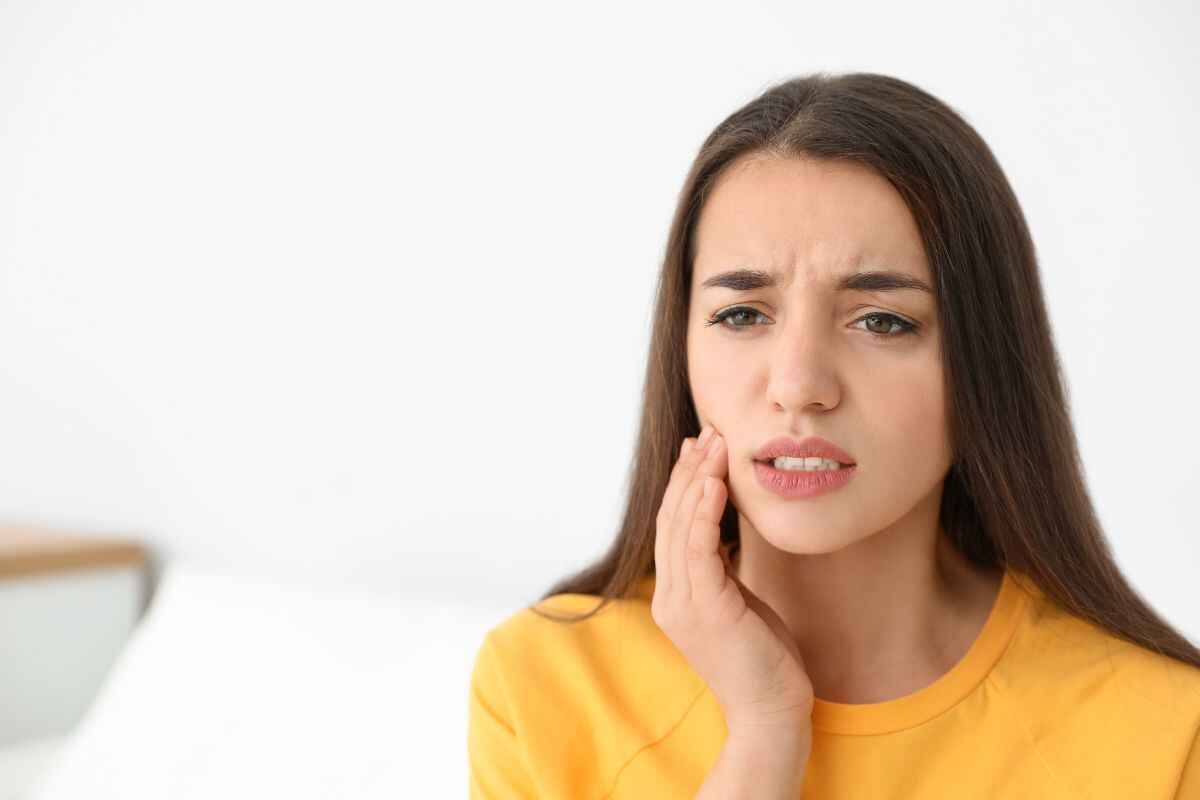
We all remember the strange (and maybe exciting) sensation of a wiggly tooth as a child—usually a sign that the tooth fairy was on her way. While loose teeth are a natural part of childhood, they should never be dismissed as normal in adulthood. A loose adult tooth can be an early indicator of underlying oral health issues that require prompt and professional attention. At our dental practice in Killeen, we often see patients who are unsure about whether a mobile tooth warrants concern. The answer is simple: if your tooth is loose, it’s time to consult a dental professional.
Below, we explain the common causes of tooth instability in adults and the available treatment options.
Common Causes of Loose Teeth in Adults
1. Periodontal Disease (Gum Disease)
The most frequent cause of loose teeth in adults is periodontal disease. This begins as gingivitis, characterized by gum inflammation, redness, and occasional bleeding. If left untreated, it can progress to periodontitis, a more advanced stage where the bone and connective tissues that support the teeth begin to deteriorate. As this damage progresses, teeth can become unstable and eventually fall out.
2. Bruxism (Teeth Grinding and Clenching)
Bruxism, or the involuntary grinding and clenching of teeth—often during sleep—can also lead to tooth mobility. The repetitive pressure wears down the tooth structure and can weaken the ligaments that anchor teeth in place.
3. Trauma or Dental Injury
A direct injury to the mouth or jaw, whether from an accident or impact during sports, can result in a loose tooth. In such cases, immediate evaluation is essential to prevent further damage.
Treatment Options for Loose Teeth
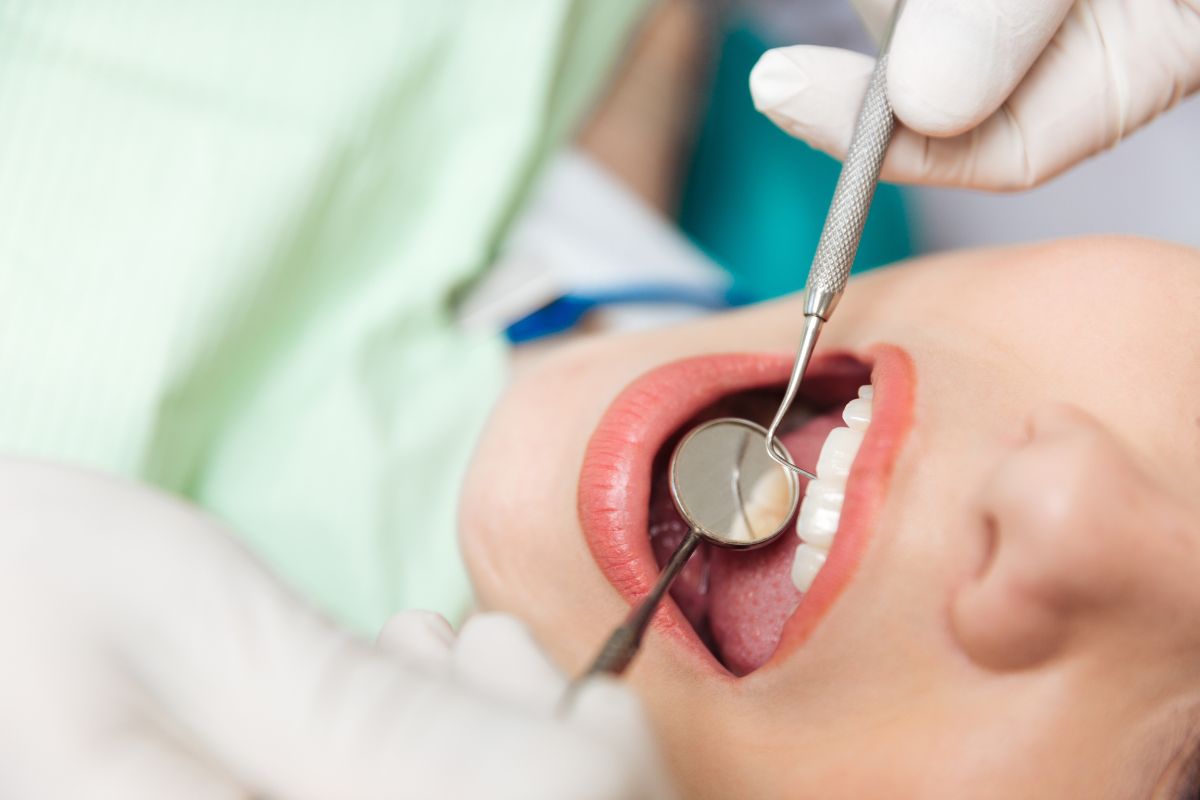
The appropriate treatment for a loose tooth depends on the underlying cause and the severity of the condition. At our dental practice in Killeen, we offer a range of solutions as part of our commitment to providing comprehensive professional dental care.
Deep Cleaning (Scaling and Root Planing): For cases related to gum disease, a deep cleaning may be performed to remove plaque and tartar buildup beneath the gumline. This procedure helps reduce inflammation and promotes healing of the surrounding tissue.
Custom Nightguards: If bruxism is diagnosed, a custom-fitted nightguard can help protect the teeth from further damage caused by grinding or clenching during sleep.
Tooth Replacement Options: If a tooth cannot be saved, your dentist may recommend extraction followed by the placement of a dental implant—a permanent, natural-looking solution that restores both function and appearance.
Prevention and Maintenance
Preventing tooth mobility starts with diligent daily care. Maintaining excellent oral hygiene, including brushing twice a day, flossing regularly, and using an antimicrobial mouthwash, is essential. In addition, regular dental visits allow early detection and management of any emerging issues.
Don’t Wait—Act Early
Tooth mobility in adults is never a condition to overlook. Unfortunately, loose teeth do not typically resolve on their own, and the longer you wait, the higher the risk of permanent damage, including tooth loss and bone deterioration. Timely intervention by a dental professional can make all the difference. With accurate diagnosis and personalized treatment, many loose teeth can be stabilized or even saved entirely.
If you’ve noticed any movement in your teeth or changes in your gum health, don’t delay. Visit our office in Killeen today to schedule a comprehensive evaluation with an experienced dentist. Early detection and treatment are essential for preserving your oral health and protecting your natural smile.

Reviews From Our Patients
Krystle J.

Sammy, Connor, the front desk staff, Dental Hygenist and especially Dr. Town are amazing! It’s great to see the same faces everyone I get a cleaning! Sammy makes the experience comfortable and welcome. Connor may be quiet but he always does a great job! The dental hygienist always remembers me and my kids. Sorry I cant remember her name but she knows who I am and that’s what matters:) Thankful for this staff and the great care they give to my family!
Linda F.
I love it here. I have never seen a dental office give flowers to first timers. Everyone was so welcome if. In pain but you guys still made me smile. I told my daughter she need to come there. I love how you guys work with options of payment. Again thanks for making me smile in pain.
Emily C.
We’ve always had a good experience at Stonehaven. The women at the front desk are always cheerful and helpful. I love the hygienists, they always make my children and I feel comfortable and informed. I have pretty high dental anxiety and they’ve never tried to minimize my fears- but they listen to me, and help me feel as comfortable as possible. The dentists and orthodontists have been great! No issues at all. (I just wish my daughter was better at flossing, but we’re working on that!)
Yolanda R.
Oh my god, this doctor and staff are the best! They are friendly, they explained everything very thoroughly and made me feel very comfortable. The office is so clean and every one of the staff is so amazing especially Crystal! I recommend this dental office big time!!! Thank you Stonehaven Dental!!

Book Your Dental Appointment
Fill out the form and we'll follow up with a few appointment options.
"This is my first time at Stonehaven dental. Everyone was super friendly, and helpful. Dr Town came in and visited with me and together we developed a treatment plan to address the issues that were present on my teeth. Couldn't be more happy with the experience with everyone in the office!"