


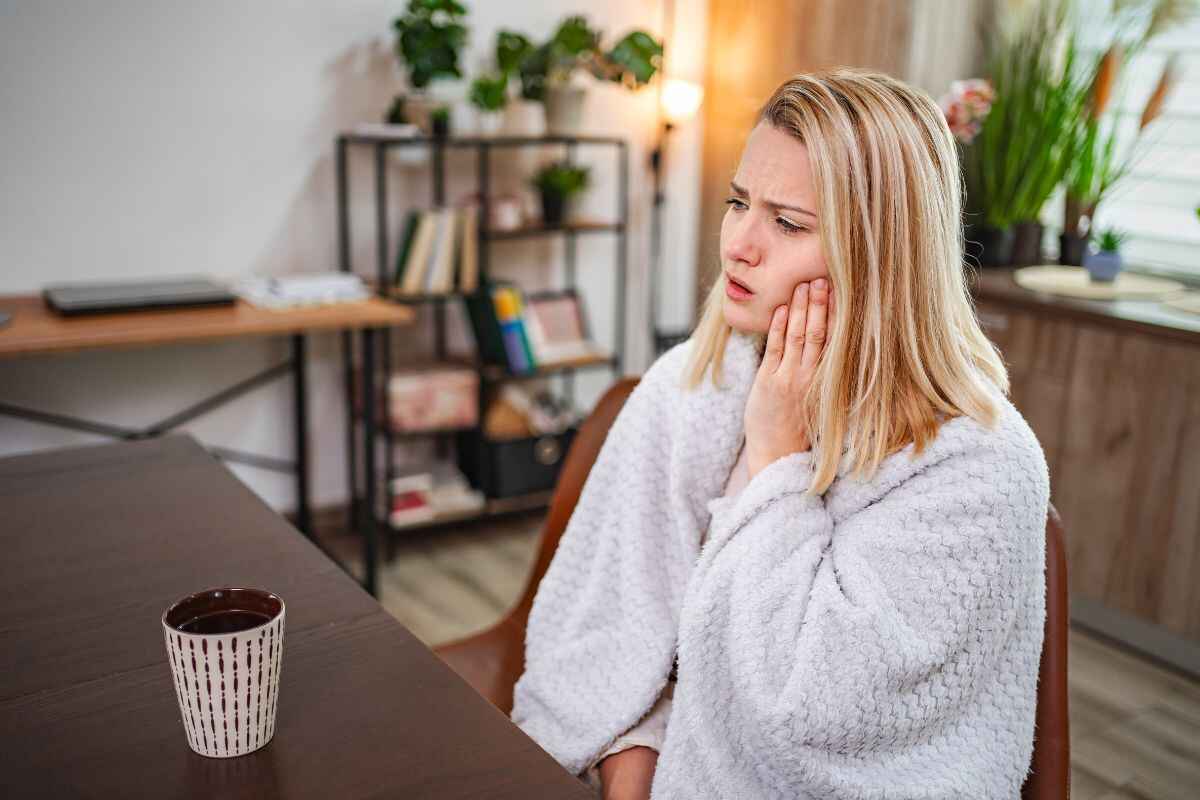
When the temperature drops in Burleson, many people notice an uncomfortable change in their teeth. A sip of cold water, a breath of chilly morning air, or even walking outside during a North Texas winter can trigger a sharp, sudden pain.
Cold temperatures travel through the dentin—a layer filled with tiny channels—and stimulate the nerve, causing that quick “jolt” of pain many people describe. In cooler months, we also tend to breathe through our mouths more when the air feels dry. That cold air can hit exposed areas of the teeth and gums if enamel is worn or gums have receded.
In this blog, we’ll explain why teeth often hurt more in cold weather, what it usually means, and when it’s time to pay closer attention.
Common Reasons Teeth Hurt More in Winter
Cold weather sensitivity often points to something specific. Some of the most common causes we see include:
Worn or Thinning Enamel
Over time, enamel can wear down from grinding, clenching, acidic foods, or aggressive brushing. Once enamel thins, teeth lose their natural insulation. Cold air and cold drinks reach the inner layers faster, leading to sensitivity.
Gum Recession
Gums can slowly pull away from the teeth due to aging, brushing too hard, or gum disease. When this happens, the tooth root becomes exposed. Roots don’t have the same protective enamel, making them more sensitive to cold temperatures.
Small Cracks or Old Dental Work
Teeth can develop tiny cracks that aren’t always visible. Old fillings or crowns may also expand and contract with temperature changes. In colder weather, these changes can irritate the nerve and cause discomfort.
Cavities or Early Decay
Cold sensitivity can be an early sign of tooth decay. As cavities form, they weaken the structure of the tooth, allowing cold sensations to reach the nerve more easily.
Is Tooth Pain in Cold Weather Normal?
Cold air often triggers stronger pain than cold food or beverages. That’s because cold air is drier and can hit the teeth directly, especially when you’re talking or breathing outside. During colder Burleson mornings, that dry air can quickly cool exposed tooth surfaces, intensifying sensitivity.
Occasional, mild sensitivity that fades quickly may not be serious. Some notice it when the weather first turns cold if they already have sensitive teeth.
However, pain that:
- Lingers after the cold is gone
- Worsens over time
- Occurs when biting or chewing
- Is isolated to one tooth
may signal a deeper issue. Persistent tooth pain is your body’s way of saying something that needs attention.
Practical Ways to Reduce Cold Weather Tooth Sensitivity at Home
There are simple steps you can take to help protect your teeth during the colder months:
- Use a toothpaste for sensitive teeth: These toothpastes help block the nerve pathways over time. Consistent use matters.
- Brush gently with a soft-bristled toothbrush: Scrubbing too hard can wear down enamel and push gums back further.
- Avoid extremely hot or cold foods back-to-back: Sudden temperature swings can stress teeth, especially if enamel is already weakened.
- Wear a scarf over your mouth outdoors: On cold, windy days, this helps warm the air before it reaches your teeth.
- Address clenching or grinding: Many people clench when stressed or during sleep. This can worsen enamel wear, making cold sensitivity more noticeable.
When Cold Sensitivity Signals Something More Serious
If cold weather tooth pain is sharp, or becoming more frequent, it may indicate:
- A cracked tooth
- A cavity reaching deeper layers
- An infected tooth nerve
- Advanced gum recession
Schedule a Dental Check Up at Stonehaven Dental & Orthodontics
If cold weather has made your teeth more sensitive or painful, we’re here to help you understand what’s going on. At our Burleson office, dentists take the time to listen, evaluate the cause, and guide you toward relief that fits your needs.
Schedule a visit with our team and let’s keep your smile comfortable through every season.
Frequently Asked Questions
1. Can cold weather permanently damage my teeth?
Cold weather itself doesn’t damage teeth, but it can expose existing problems like worn enamel, gum recession, or small cracks. If sensitivity keeps returning or worsens during colder months, it’s often a sign that something underlying needs attention.
2. Why does only one tooth hurt when it’s cold?
Pain in a single tooth usually points to a specific issue, such as a cavity, a cracked tooth, or an old filling that’s no longer sealing properly. This kind of sensitivity shouldn’t be ignored, especially if it feels sharp or lingers.
3. Will tooth sensitivity from cold weather go away on its own?
Mild sensitivity may improve as temperatures warm up, but the cause often remains. Without addressing enamel wear, gum recession, or decay, the sensitivity is likely to return each winter or become more noticeable over time.
4. Does brushing more help reduce cold-related tooth pain?
Brushing more often doesn’t necessarily help and can make sensitivity worse if you brush too hard. Using a soft-bristled toothbrush and gentle pressure is more effective for protecting enamel and keeping gums healthy.



Reviews From Our Patients
Krystle J.

Sammy, Connor, the front desk staff, Dental Hygenist and especially Dr. Town are amazing! It’s great to see the same faces everyone I get a cleaning! Sammy makes the experience comfortable and welcome. Connor may be quiet but he always does a great job! The dental hygienist always remembers me and my kids. Sorry I cant remember her name but she knows who I am and that’s what matters:) Thankful for this staff and the great care they give to my family!
Linda F.
I love it here. I have never seen a dental office give flowers to first timers. Everyone was so welcome if. In pain but you guys still made me smile. I told my daughter she need to come there. I love how you guys work with options of payment. Again thanks for making me smile in pain.
Emily C.
We’ve always had a good experience at Stonehaven. The women at the front desk are always cheerful and helpful. I love the hygienists, they always make my children and I feel comfortable and informed. I have pretty high dental anxiety and they’ve never tried to minimize my fears- but they listen to me, and help me feel as comfortable as possible. The dentists and orthodontists have been great! No issues at all. (I just wish my daughter was better at flossing, but we’re working on that!)
Yolanda R.
Oh my god, this doctor and staff are the best! They are friendly, they explained everything very thoroughly and made me feel very comfortable. The office is so clean and every one of the staff is so amazing especially Crystal! I recommend this dental office big time!!! Thank you Stonehaven Dental!!

Book Your Dental Appointment
Fill out the form and we'll follow up with a few appointment options.
"This is my first time at Stonehaven dental. Everyone was super friendly, and helpful. Dr Town came in and visited with me and together we developed a treatment plan to address the issues that were present on my teeth. Couldn't be more happy with the experience with everyone in the office!"