


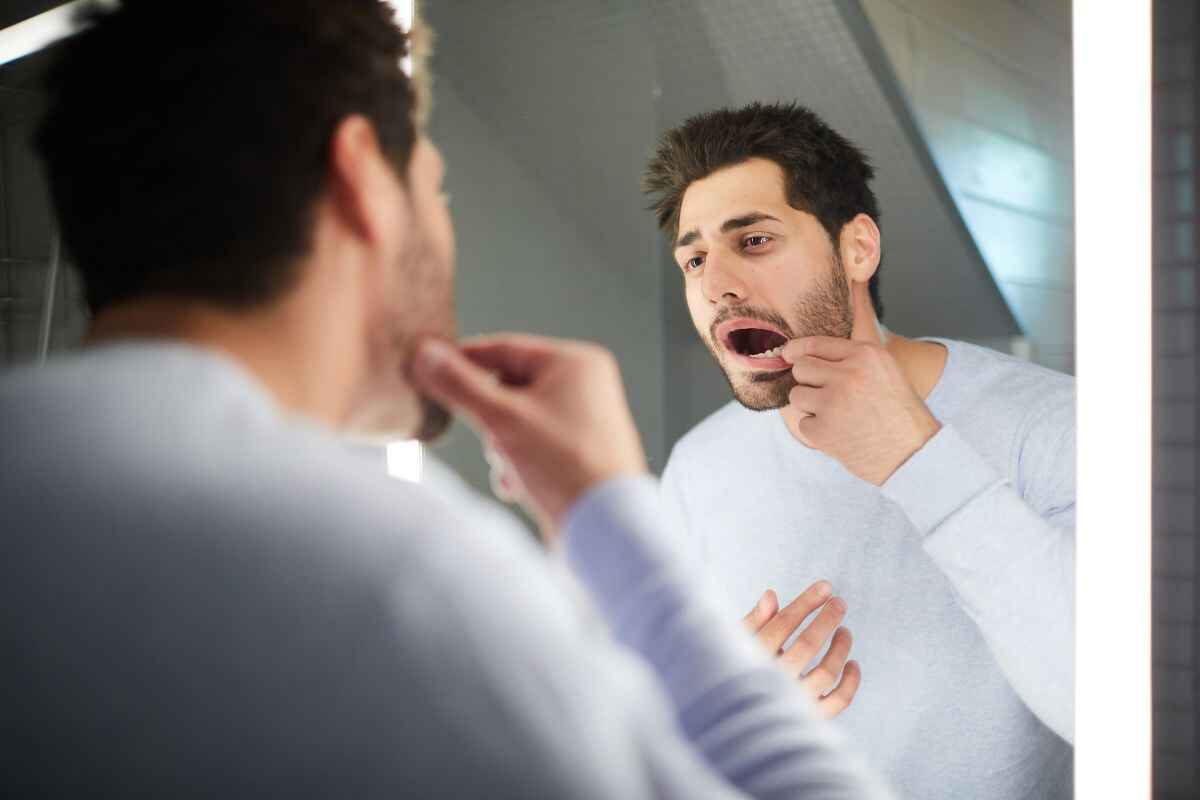
If your mouth still hurts weeks after a dental filling, it usually means the tooth hasn’t fully settled or something needs adjustment. Ongoing discomfort can stem from an irritated nerve after a deep cavity, a filling that sits slightly too high and throws off your bite, or lingering sensitivity that hasn’t calmed down yet. In some cases, persistent pain may point to a larger issue, such as a microscopic crack or an infection developing beneath the filling.
Stonehaven Dental & Orthodontics cares deeply for our Killeen community. We created this guide to explain what is normal, what isn’t, and when it’s time to have your tooth checked again.
Is It Normal to Have Pain Weeks After a Filling?
Short-term sensitivity after a filling is expected. Mild discomfort can last a few days as the tooth settles.
However, pain that lingers two weeks or longer usually means something needs attention. It doesn’t always mean something serious—but it does mean your tooth is trying to tell you something.
If your mouth continues to hurt after several weeks and you haven’t found relief, see your Killeen dentist today. We are here to provide the adjustments or care you need to get back to living pain-free and enjoying your favorite foods again.
Common Reasons a Filling Still Hurts Weeks Later
A Filling That’s Slightly Too High
This is one of the most common causes we see.
If a filling sits just a little too high:
- Your bite hits that tooth first
- Chewing puts extra pressure on it
- The tooth stays irritated instead of calming down
You may notice pain when eating, especially tougher foods—whether that’s a brisket sandwich or something crunchy on the go.
The fix is usually simple. A quick bite adjustment can bring fast relief.
Tooth Sensitivity After a Deep Filling
Tooth sensitivity after a filling is completely normal, if the cavity was deep.
You might notice:
- Sensitivity to hot or cold drinks
- A quick, sharp twinge when chewing
- Discomfort that comes and goes
For people in Killeen who enjoy coffee at places like The Coffee Bean or fresh ice cream from the local Dairy Queen, this type of sensitivity can be especially bothersome, but it usually goes away on its own as the tooth heals.
Inflammation Around the Tooth
Dental work can sometimes irritate the ligament that holds the tooth in place. That inflammation can make the tooth feel sore or tender, especially when biting down.
This is more noticeable if you:
- Clench or grind your teeth
- Have a stressful schedule
- Chew more on one side of your mouth
Many people don’t realize they grind at night until a filling brings the issue to light.
A Cracked or Damaged Filling
Dental fillings are strong, but they’re not indestructible.
A filling may crack or wear down due to:
- Hard or sticky foods
- Teeth grinding
- Normal wear over time
A damaged filling can cause pain and allow bacteria back into the tooth, which is why it shouldn’t be ignored.
Decay or Infection Under the Filling
Less common, but if the cavity wasn’t completely cleaned out before the filling was placed, residual decay could lead to an infection.
Warning signs include:
- Constant or worsening pain
- Swelling near the tooth
- Pain that doesn’t respond to pain relievers
- Sensitivity that feels deep or throbbing
If you experience any swelling, fever, or severe pain, visit our Killeen office as soon as possible.
What You Can Do Right Now to Ease Discomfort
While waiting for your appointment, these steps may help:
- Stick to softer foods for a few days
- Avoid very hot or icy drinks
- Rinse gently with warm salt water
- Take over-the-counter anti-inflammatory medication if needed
- Chew on the opposite side when possible
If something feels clearly wrong, don’t wait it out.
How to Reduce the Risk of Future Filling Pain
A few habits can help protect your fillings and teeth:
- Brush and floss daily to keep decay from forming around fillings
- Avoid chewing ice or very hard foods
- Address teeth grinding early with a night guard
- Keep up with regular dental checkups
Still Hurting After a Filling? Contact Us in Killeen
Stonehaven Dental & Orthodontics focuses on listening, evaluating carefully, and explaining what’s really going on
If you’re in or around Killeen and dealing with lingering dental pain, contact us to schedule an appointment.
Frequently Asked Questions
1. How long should pain last after a dental filling?
Most discomfort after a dental filling should fade within a few days to about two weeks. Mild sensitivity to hot, cold, or pressure can be normal during this time. If pain continues beyond a couple of weeks or starts to worsen, it’s usually a sign that the tooth needs to be checked for issues like bite imbalance, nerve irritation, or an underlying problem.
2. Can a filling cause pain when chewing weeks later?
Yes. Pain when chewing weeks after a filling often means the filling is slightly too high or the tooth is still inflamed. Even a small bite imbalance can put extra pressure on the tooth, making it sore every time you eat. This type of pain doesn’t usually go away on its own and is best corrected with a simple bite adjustment.
3. Is lingering sensitivity after a filling normal?
Lingering sensitivity can be normal, especially if the cavity was deep and close to the nerve. The tooth may react to hot or cold foods for a while as it heals. However, sensitivity that remains sharp, constant, or painful after several weeks may indicate nerve damage or decay beneath the filling and should be evaluated.
Reviews From Our Patients
Krystle J.

Sammy, Connor, the front desk staff, Dental Hygenist and especially Dr. Town are amazing! It’s great to see the same faces everyone I get a cleaning! Sammy makes the experience comfortable and welcome. Connor may be quiet but he always does a great job! The dental hygienist always remembers me and my kids. Sorry I cant remember her name but she knows who I am and that’s what matters:) Thankful for this staff and the great care they give to my family!
Linda F.
I love it here. I have never seen a dental office give flowers to first timers. Everyone was so welcome if. In pain but you guys still made me smile. I told my daughter she need to come there. I love how you guys work with options of payment. Again thanks for making me smile in pain.
Emily C.
We’ve always had a good experience at Stonehaven. The women at the front desk are always cheerful and helpful. I love the hygienists, they always make my children and I feel comfortable and informed. I have pretty high dental anxiety and they’ve never tried to minimize my fears- but they listen to me, and help me feel as comfortable as possible. The dentists and orthodontists have been great! No issues at all. (I just wish my daughter was better at flossing, but we’re working on that!)
Yolanda R.
Oh my god, this doctor and staff are the best! They are friendly, they explained everything very thoroughly and made me feel very comfortable. The office is so clean and every one of the staff is so amazing especially Crystal! I recommend this dental office big time!!! Thank you Stonehaven Dental!!

Book Your Dental Appointment
Fill out the form and we'll follow up with a few appointment options.
"This is my first time at Stonehaven dental. Everyone was super friendly, and helpful. Dr Town came in and visited with me and together we developed a treatment plan to address the issues that were present on my teeth. Couldn't be more happy with the experience with everyone in the office!"