


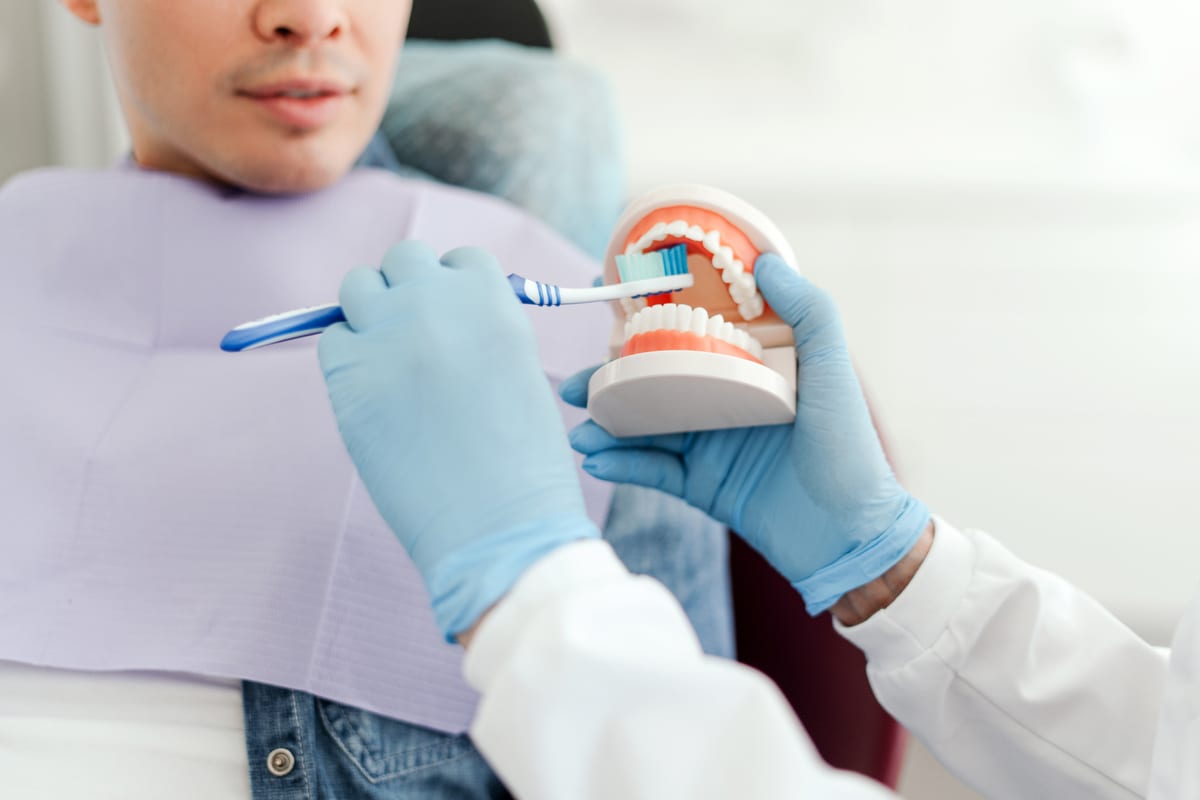
If you dread your dental cleaning because of sensitivity, you are not alone. Many patients in Burleson, TX wonder why their teeth feel sensitive during cleanings — and how to make the experience more comfortable. Understanding what causes that discomfort is the first step to overcoming it. At Stonehaven Dental & Orthodontics, Dr. Charles Town and our hygiene team work hard to help every patient feel at ease.
Why Your Teeth Feel Sensitive During Cleanings in Burleson
Tooth sensitivity during a cleaning usually has a few common causes. The most frequent is gum recession, which exposes the sensitive root surfaces beneath the gumline. When tools contact these exposed areas, the nerve inside the tooth can respond with a sharp or aching sensation.
Gum inflammation is another major factor. When gums are swollen or irritated from plaque buildup, even gentle scaling can feel uncomfortable. The good news is that regular cleanings actually reduce this inflammation over time.
Enamel erosion also plays a role. Acidic foods, drinks, and even acid reflux can thin the enamel layer that protects your teeth. Thinner enamel means less insulation from temperature and pressure changes during your appointment.
Finally, some patients simply have naturally sensitive teeth. This is a recognized dental condition, not a personal weakness. Knowing the cause helps our team tailor your experience from the very first visit.
What Happens During a Cleaning That Triggers Sensitivity
A professional cleaning involves scaling — removing tartar and plaque from tooth surfaces. Our hygienist uses specialized tools that vibrate or scrape to dislodge buildup. These tools can stimulate sensitive areas, especially near the gumline.
Polishing is another step that sometimes causes discomfort. The rotating brush and gritty paste can create friction on exposed dentin. Most patients tolerate this well, but those with sensitivity may feel it more sharply.
Water irrigation, used to rinse debris away, can also trigger a brief cold sensitivity. This is especially true if your root surfaces are exposed. The sensation usually passes within seconds but can feel alarming in the moment.
Understanding these steps helps reduce anxiety. When you know what to expect, each sensation feels less like a warning sign and more like a predictable part of the process.
How Our Hygiene Team Minimizes Your Discomfort
Our team at Stonehaven Dental & Orthodontics uses several strategies to make cleanings more comfortable for sensitive patients. Here is what we do to help:
- Topical numbing gel: We apply a numbing gel to the gums before scaling. This reduces surface sensitivity significantly during the procedure.
- Gentle instrumentation: Our hygienists are trained to use light pressure and slow, deliberate movements in sensitive areas.
- Warm water irrigation: We switch from cold to warm water for rinsing, which reduces the cold-triggered sensitivity many patients experience.
- Regular breaks: We pause frequently so you can rest, rinse, and breathe. You are always in control of the pace.
- Desensitizing treatments: After cleaning, we can apply a fluoride varnish or desensitizing agent to calm nerve responses and strengthen enamel.
- Open communication: You can signal our team at any time. We will stop, adjust, and check in with you.
These steps make a meaningful difference for anxious and sensitive patients alike. Our goal is always comfort first.
What You Can Do at Home to Reduce Sensitivity Before Your Visit
Preparation at home can reduce how much sensitivity you experience in the chair. Starting two weeks before your appointment, use a desensitizing toothpaste daily. These toothpastes contain ingredients like potassium nitrate or stannous fluoride that calm nerve endings over time.
Avoid highly acidic foods and drinks in the days leading up to your cleaning. Citrus, soda, and vinegar-based dressings can temporarily weaken enamel and increase sensitivity. Rinsing with plain water after acidic foods helps neutralize the acid.
Good brushing habits also matter. Brushing too hard with a stiff-bristled brush can wear enamel and push gums back. Switch to a soft-bristled brush and use gentle circular motions instead of aggressive back-and-forth scrubbing.
Tell our team about your sensitivity when you arrive. The more information we have upfront, the better we can customize your appointment. There is no detail too small to mention.
Connecting Sensitivity to Your Overall Dental Health
Persistent sensitivity during cleanings can sometimes point to larger dental health concerns. Gum disease, for example, causes significant gum recession and bone loss. Both of these conditions expose sensitive root surfaces and increase cleaning discomfort.
If you have avoided dental visits because of sensitivity, you may actually be making the problem worse. Skipping cleanings allows plaque and tartar to accumulate. This worsens gum disease and makes the next cleaning even more uncomfortable.
Cavities and cracked teeth can also intensify sensitivity. Our team screens for these issues at every checkup. Catching them early means simpler, more comfortable treatment. Solutions like Restorative Dentistry Burleson can address the underlying causes of sensitivity and protect your smile long term.
For patients dealing with alignment issues that make cleaning harder, options like Invisalign Burleson can straighten teeth and make oral hygiene more effective. Properly aligned teeth are easier to clean thoroughly and often experience less buildup-related sensitivity.
Tips for a More Comfortable Cleaning Experience
Here are some simple steps to make your next cleaning go more smoothly:
- Arrive early and let the front desk know you experience sensitivity.
- Ask your hygienist about topical numbing options before the appointment begins.
- Bring headphones and listen to music or a podcast to stay relaxed during the cleaning.
- Focus on slow, deep breathing — it reduces tension and helps you stay calm.
- Schedule your cleaning at a time of day when you feel most relaxed and unhurried.
- Follow up with your dentist if sensitivity persists for more than a week after your visit.
Small adjustments can transform a dreaded appointment into a manageable — even pleasant — experience. Our team genuinely wants your visits to Stonehaven Dental to feel safe and comfortable.
Schedule Your Comfortable Cleaning in Burleson Today
Sensitivity during cleanings is common, but it does not have to stop you from getting the care you need. Dr. Charles Town and the entire team at Stonehaven Dental & Orthodontics in Burleson, TX are here to support you every step of the way. We take sensitivity seriously, and we have the tools and techniques to help. Book Now to schedule your appointment with our team.
Frequently Asked Questions
Is it normal for teeth to hurt during a professional cleaning?
Yes, mild sensitivity during a cleaning is very common. It is usually caused by exposed root surfaces, gum inflammation, or thin enamel. If your discomfort is more than mild, let your hygienist know right away so they can adjust their technique or apply a numbing agent.
How can I tell if my sensitivity is serious?
Occasional sensitivity during a cleaning is typically normal. However, if you feel sharp pain that lingers for several seconds or more, or if sensitivity persists for days after your appointment, you should mention it to Dr. Town. It could signal a cavity, cracked tooth, or early gum disease that needs attention.
Can I ask my hygienist to stop if it hurts too much?
Absolutely. You are always in control during your appointment at Stonehaven Dental. Simply raise your hand or say the word and the hygienist will stop immediately. Our team will check in with you, adjust their approach, and make sure you feel comfortable before continuing.
Will my sensitivity get better over time with regular cleanings?
For most patients, yes. Sensitivity during cleanings often improves as gum inflammation decreases with consistent professional care. When tartar and plaque are removed regularly, the gums become healthier and less reactive. Many patients notice that each cleaning feels more comfortable than the last.
What desensitizing treatments does Stonehaven Dental offer?
We offer topical numbing gel applied before scaling, warm water irrigation during the cleaning, and fluoride varnish or desensitizing agents applied after your appointment. Dr. Town can also recommend prescription-strength desensitizing toothpaste if over-the-counter options are not providing enough relief.


Reviews From Our Patients
Krystle J.

Sammy, Connor, the front desk staff, Dental Hygenist and especially Dr. Town are amazing! It’s great to see the same faces everyone I get a cleaning! Sammy makes the experience comfortable and welcome. Connor may be quiet but he always does a great job! The dental hygienist always remembers me and my kids. Sorry I cant remember her name but she knows who I am and that’s what matters:) Thankful for this staff and the great care they give to my family!
Linda F.
I love it here. I have never seen a dental office give flowers to first timers. Everyone was so welcome if. In pain but you guys still made me smile. I told my daughter she need to come there. I love how you guys work with options of payment. Again thanks for making me smile in pain.
Emily C.
We’ve always had a good experience at Stonehaven. The women at the front desk are always cheerful and helpful. I love the hygienists, they always make my children and I feel comfortable and informed. I have pretty high dental anxiety and they’ve never tried to minimize my fears- but they listen to me, and help me feel as comfortable as possible. The dentists and orthodontists have been great! No issues at all. (I just wish my daughter was better at flossing, but we’re working on that!)
Yolanda R.
Oh my god, this doctor and staff are the best! They are friendly, they explained everything very thoroughly and made me feel very comfortable. The office is so clean and every one of the staff is so amazing especially Crystal! I recommend this dental office big time!!! Thank you Stonehaven Dental!!

Book Your Dental Appointment
Fill out the form and we'll follow up with a few appointment options.
"This is my first time at Stonehaven dental. Everyone was super friendly, and helpful. Dr Town came in and visited with me and together we developed a treatment plan to address the issues that were present on my teeth. Couldn't be more happy with the experience with everyone in the office!"