


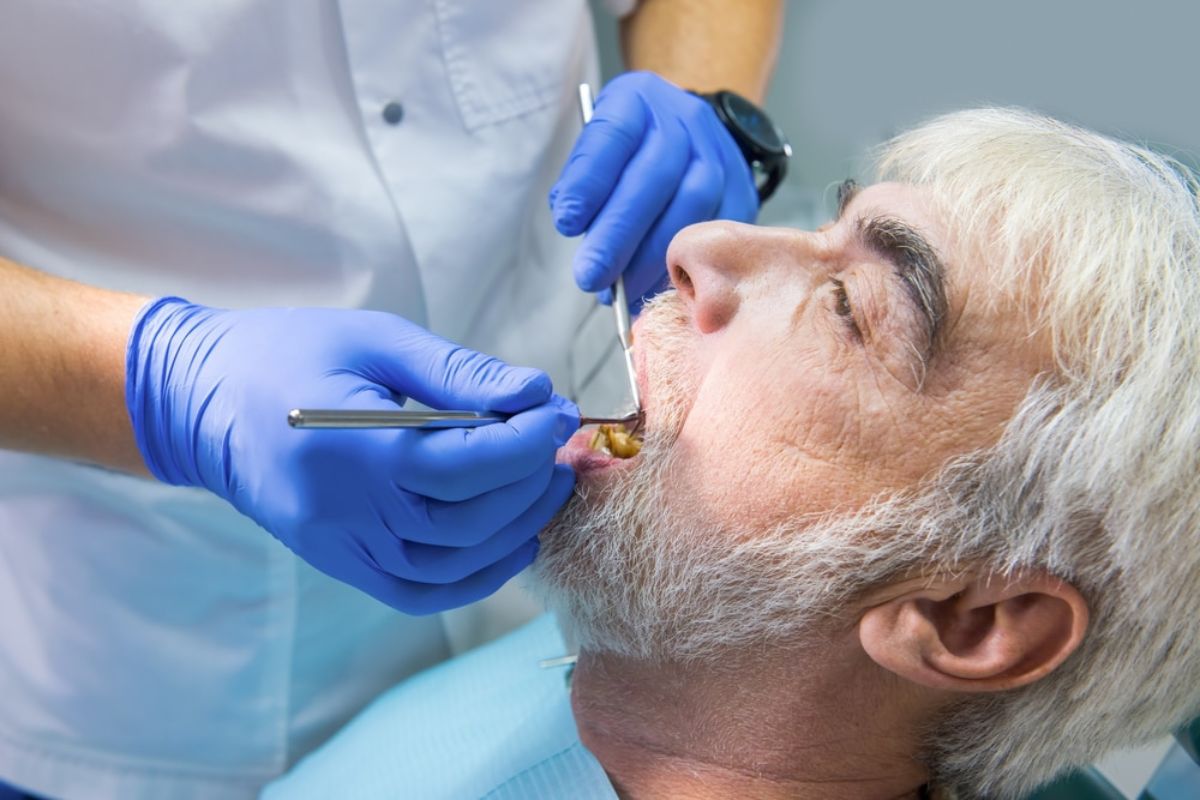
Dealing with a dental emergency, whether a sudden toothache, a broken crown, or a knocked-out tooth, can be stressful. However, the procedure itself is only the beginning of the healing journey. Proper aftercare is crucial in ensuring your mouth recovers fully and avoids complications. Understanding what to expect and how to care for yourself post-treatment can make all the difference in speeding up your recovery and restoring your oral health.
Understanding the Importance of Aftercare
After an emergency dental visit, your mouth is often in a vulnerable state. Whether you’ve undergone tooth extraction, had a dental infection treated, or received a temporary crown, your body needs time to heal. Infections, swelling, and pain can escalate if you don’t follow your dentist’s instructions carefully. It’s essential to listen to your provider’s guidance and stick to recommended routines that encourage healing.
Pain management is usually one of the first steps in post-treatment care. Most emergency procedures involve discomfort afterward, which can be effectively managed with over-the-counter pain relievers or prescribed medication. You should avoid aspirin if you’ve had extractions, as it may increase bleeding. Applying an ice pack to the affected area in 10- to 15-minute intervals during the first 24 hours can also help reduce swelling and discomfort.
Eating, Drinking, and Oral Hygiene After Emergency Treatment
Food choices can significantly affect your recovery. Stick with soft, cool, and non-acidic foods for the first few days. Yogurt, applesauce, scrambled eggs, and smoothies are generally safe choices. Avoid crunchy, spicy, or hot foods, which may irritate the affected area.
Oral hygiene remains essential, but needs to be handled gently. Use a soft-bristled toothbrush and avoid brushing directly over the treated site. Warm salt water rinses can help keep the area clean and promote healing. Avoid mouthwash with alcohol, as it may cause a burning sensation and delay recovery.
When to Contact Your Emergency Dentist?
It’s common to experience mild discomfort and swelling after a procedure, but persistent or worsening symptoms may be a red flag. Contact your dentist immediately if you notice increasing pain, prolonged bleeding, fever, or pus around the treated area. These could be signs of infection or other complications that require immediate attention.
If you received care from an emergency dentist in Harker Heights, your provider will likely schedule a follow-up to ensure your recovery is progressing as expected. Don’t skip this appointment—it plays a vital role in preventing long-term issues and confirming the success of the treatment. It also offers an opportunity to ask questions or address any lingering concerns.
Returning to Daily Activities Safely
What to Expect in the First Few Days?
For the first 24 to 48 hours, it’s best to take it easy. Physical exertion can increase blood flow, resulting in bleeding or delayed healing at the surgical site. Try to rest, keep your head elevated while lying down, and avoid strenuous activities.
How to Avoid Complications?
Habits like smoking or drinking alcohol can interfere with your body’s healing response. It’s recommended to avoid these substances for at least 72 hours after your procedure, if not longer. They can irritate the tissue and increase your risk of developing dry socket or infection.
Be mindful of using straws or doing anything that creates suction in the mouth, as this can disrupt clot formation in cases like extractions. The key is to treat your mouth gently while it heals.
Long-Term Care and Follow-Up
After the initial healing phase, your dentist may recommend more permanent solutions if your emergency treatment was temporary. For example, a temporary crown will need a permanent one, and an emergency root canal may require a follow-up to complete the restoration.
It’s also a good time to reassess your regular dental habits. Preventive care—including brushing, flossing, and routine cleanings—can go a long way toward avoiding future emergencies. For any lingering symptoms or comprehensive treatment, don’t hesitate to visit our office in Harker Heights for the needed attention.
Taking care of your oral health after an emergency doesn’t stop when you leave the dental chair. With attentive aftercare and proper guidance from your dental provider, you’ll be on the road to recovery in no time. Whether you’re healing from a cracked tooth or a sudden infection, knowing what to do after your procedure can bring peace of mind—and lasting relief.
Explore Our Other Dental Office Locations
In addition to our Harker Heights office, we proudly serve patients at our other locations in Waco, Killeen, and Burleson. Wherever you visit, you’ll receive the same high-quality care from professionals dedicated to your comfort and satisfaction.

Reviews From Our Patients
Krystle J.

Sammy, Connor, the front desk staff, Dental Hygenist and especially Dr. Town are amazing! It’s great to see the same faces everyone I get a cleaning! Sammy makes the experience comfortable and welcome. Connor may be quiet but he always does a great job! The dental hygienist always remembers me and my kids. Sorry I cant remember her name but she knows who I am and that’s what matters:) Thankful for this staff and the great care they give to my family!
Linda F.
I love it here. I have never seen a dental office give flowers to first timers. Everyone was so welcome if. In pain but you guys still made me smile. I told my daughter she need to come there. I love how you guys work with options of payment. Again thanks for making me smile in pain.
Emily C.
We’ve always had a good experience at Stonehaven. The women at the front desk are always cheerful and helpful. I love the hygienists, they always make my children and I feel comfortable and informed. I have pretty high dental anxiety and they’ve never tried to minimize my fears- but they listen to me, and help me feel as comfortable as possible. The dentists and orthodontists have been great! No issues at all. (I just wish my daughter was better at flossing, but we’re working on that!)
Yolanda R.
Oh my god, this doctor and staff are the best! They are friendly, they explained everything very thoroughly and made me feel very comfortable. The office is so clean and every one of the staff is so amazing especially Crystal! I recommend this dental office big time!!! Thank you Stonehaven Dental!!

Book Your Dental Appointment
Fill out the form and we'll follow up with a few appointment options.
"This is my first time at Stonehaven dental. Everyone was super friendly, and helpful. Dr Town came in and visited with me and together we developed a treatment plan to address the issues that were present on my teeth. Couldn't be more happy with the experience with everyone in the office!"