


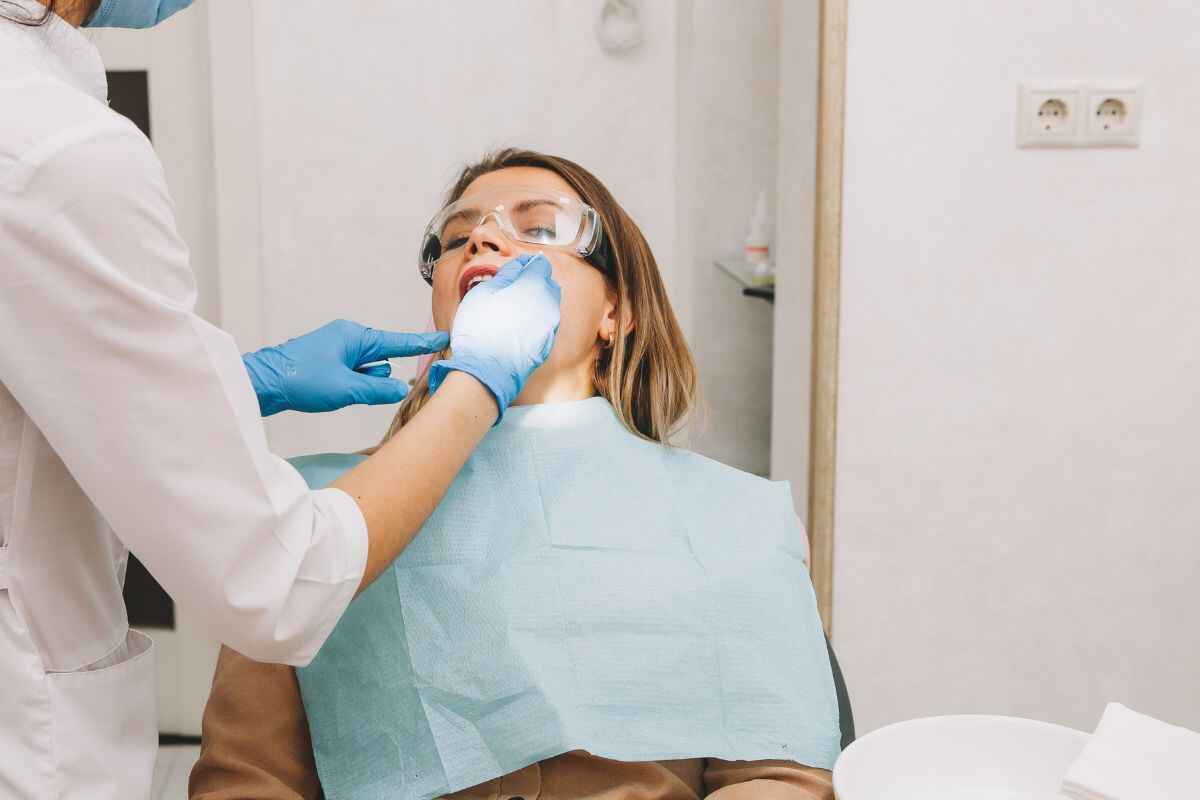
A sudden toothache, a broken tooth, or a knocked-out tooth can happen when you least expect it. While some dental problems can wait a day or two, others require immediate attention to relieve pain, prevent infection, and protect your oral health. Knowing the difference can help you take the right steps before a minor issue becomes a more serious problem.
If you’re unsure whether your symptoms require urgent care, recognizing the warning signs is the first step. An emergency dentist can evaluate your condition, provide prompt treatment, and help prevent long-term damage to your teeth and gums.
In this guide, we’ll cover seven common signs that indicate it’s time to seek emergency dental care and explain why acting quickly can make a significant difference.
7 Reasons You Need To See an Emergency Dentist
1. Severe or Persistent Tooth Pain
A toothache that doesn’t go away is often more than just an inconvenience. Persistent or intense pain may indicate an underlying issue, such as:
- Deep tooth decay
- A dental abscess
- An infected tooth nerve
- A cracked or fractured tooth
Pain that keeps you awake at night, worsens while chewing, or doesn’t improve with over-the-counter pain relievers shouldn’t be ignored. Delaying treatment may allow the infection to spread, leading to more complex dental procedures later.
An emergency dental evaluation can identify the cause of your discomfort and provide the appropriate treatment to relieve pain as quickly as possible.
2. A Knocked-Out Tooth
A knocked-out permanent tooth is one of the most time-sensitive dental emergencies. Whether it happens during sports, a fall, or an accident, acting quickly can increase the chances of saving the tooth.
If your tooth is knocked out:
- Pick it up by the crown, not the root.
- Rinse it gently if it’s dirty without scrubbing.
- Try placing it back into the socket if possible.
- If you can’t, keep it in milk or a tooth preservation solution.
- Visit an emergency dentist immediately.
The sooner you receive professional care, the greater the likelihood that the tooth can be successfully replanted.
3. A Chipped, Broken, or Cracked Tooth
Not every chipped tooth requires emergency treatment, but larger fractures or cracks often do.
You should seek immediate dental care if you experience:
- Sharp pain when biting
- Sensitivity to hot or cold foods
- Bleeding around the tooth
- A visible crack extending through the tooth
- Pieces of the tooth breaking away
Even if the damage seems minor, bacteria can enter through the crack and increase the risk of infection. Early treatment can often preserve more of the natural tooth structure.
4. Swelling in the Face or Gums
Facial swelling is a warning sign that should never be ignored. Swelling may indicate a dental infection that requires prompt attention.
Additional symptoms may include:
- Fever
- A bad taste in the mouth
- Difficulty swallowing
- Swollen lymph nodes
- Persistent gum tenderness
An untreated dental abscess can spread beyond the tooth and become a serious health concern. Receiving emergency dental care helps control the infection and protects your overall well-being.
5. Uncontrolled Bleeding After a Dental Injury
It’s normal to notice a small amount of bleeding after biting your cheek or brushing aggressively. However, bleeding that continues after applying gentle pressure may require emergency treatment.
This can happen after:
- A sports injury
- A fall
- A broken tooth
- Trauma to the gums or soft tissues
Persistent bleeding should always be evaluated by a dental professional to identify the source of the injury and provide appropriate treatment.
6. A Lost Filling, Crown, or Dental Restoration With Pain
While a lost filling or dental crown isn’t always an emergency, it becomes more urgent when it’s accompanied by pain or sensitivity.
Without the restoration, the exposed tooth becomes vulnerable to:
- Additional fractures
- Increased sensitivity
- Bacterial infection
- Further decay
Avoid chewing on the affected side until you can see your dentist. Prompt treatment can often restore the tooth before more extensive damage occurs.
7. Signs of a Dental Infection
A dental infection doesn’t always begin with severe pain. Sometimes the earliest symptoms are subtle but can quickly become more serious if left untreated.
Watch for signs such as:
- A pimple-like bump on the gums
- Persistent bad breath
- Swollen gums
- Tooth sensitivity
- Pain while chewing
- Fever or general discomfort
These symptoms often indicate an infection inside the tooth or surrounding tissues. If you need emergency dental care in Burleson, the team at Stonehaven Dental & Orthodontics is ready to help treat the root cause and prevent the infection from spreading.
What to Do Before Your Emergency Dental Appointment
While waiting to see your dentist, taking a few simple steps can help minimize discomfort and protect your tooth.
Depending on your situation, you may want to:
- Rinse your mouth gently with warm salt water.
- Apply a cold compress to reduce swelling.
- Take over-the-counter pain medication as directed.
- Save any broken tooth fragments if possible.
- Avoid chewing on the injured side.
- Contact your dental office as soon as possible.
These temporary measures are not a substitute for professional treatment, but they may help reduce complications until you’re seen.
Why Prompt Emergency Dental Care Matters
Many dental emergencies become more complicated the longer they’re left untreated. Seeking care promptly may help:
- Relieve pain sooner
- Prevent infection from spreading
- Save a damaged or knocked-out tooth
- Reduce the need for more extensive treatment
- Protect your long-term oral health
Even if you’re unsure whether your situation qualifies as an emergency, it’s always better to have your symptoms evaluated by a dental professional.
How Stonehaven Dental & Orthodontics Can Help
From severe toothaches and broken teeth to sudden swelling, our Burleson team is here to provide fast relief. We’ll perform a thorough evaluation, walk you through your treatment options, and get your oral health back on track as quickly as possible. Call our office 817.259.1828 now to schedule an immediate appointment.
Reviews From Our Patients
Krystle J.

Sammy, Connor, the front desk staff, Dental Hygenist and especially Dr. Town are amazing! It’s great to see the same faces everyone I get a cleaning! Sammy makes the experience comfortable and welcome. Connor may be quiet but he always does a great job! The dental hygienist always remembers me and my kids. Sorry I cant remember her name but she knows who I am and that’s what matters:) Thankful for this staff and the great care they give to my family!
Linda F.
I love it here. I have never seen a dental office give flowers to first timers. Everyone was so welcome if. In pain but you guys still made me smile. I told my daughter she need to come there. I love how you guys work with options of payment. Again thanks for making me smile in pain.
Emily C.
We’ve always had a good experience at Stonehaven. The women at the front desk are always cheerful and helpful. I love the hygienists, they always make my children and I feel comfortable and informed. I have pretty high dental anxiety and they’ve never tried to minimize my fears- but they listen to me, and help me feel as comfortable as possible. The dentists and orthodontists have been great! No issues at all. (I just wish my daughter was better at flossing, but we’re working on that!)
Yolanda R.
Oh my god, this doctor and staff are the best! They are friendly, they explained everything very thoroughly and made me feel very comfortable. The office is so clean and every one of the staff is so amazing especially Crystal! I recommend this dental office big time!!! Thank you Stonehaven Dental!!

Book Your Dental Appointment
Fill out the form and we'll follow up with a few appointment options.
"This is my first time at Stonehaven dental. Everyone was super friendly, and helpful. Dr Town came in and visited with me and together we developed a treatment plan to address the issues that were present on my teeth. Couldn't be more happy with the experience with everyone in the office!"