


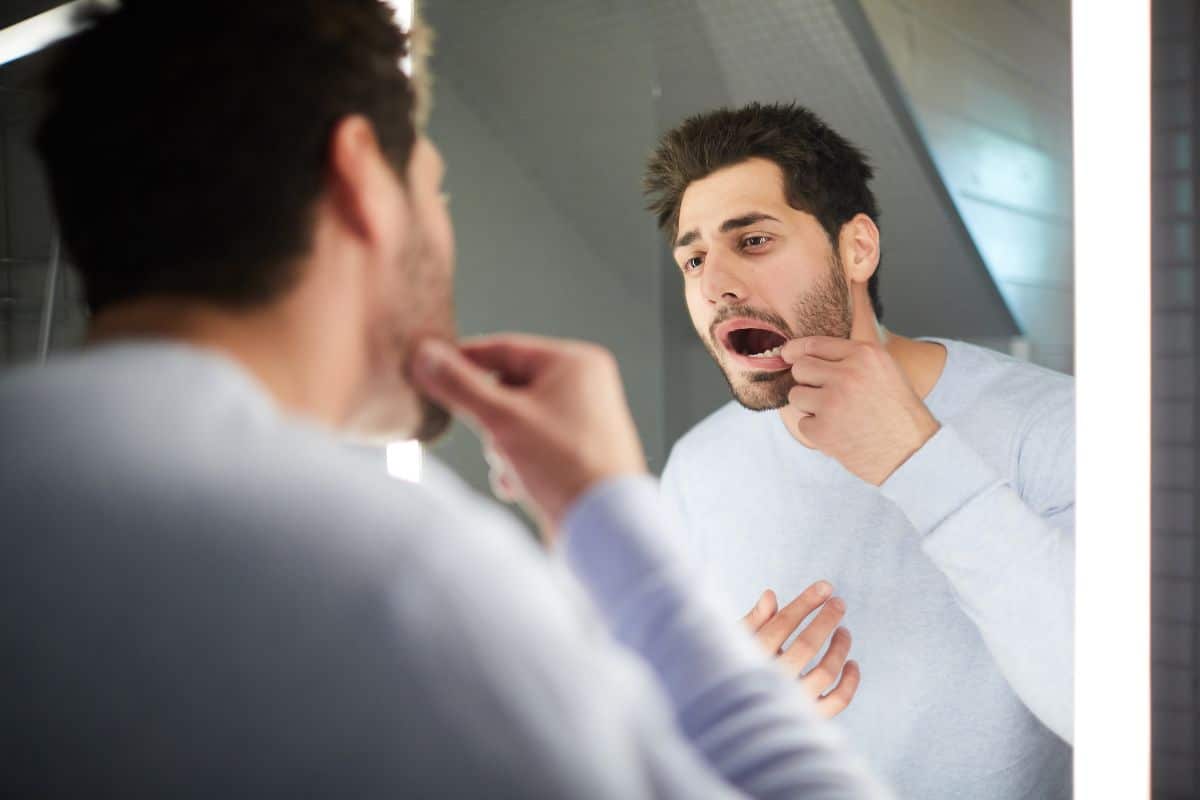
A toothache that starts after the sun goes down can feel much worse than the same pain during the day. It can keep you awake, make it difficult to eat or drink, and leave you wondering whether you should wait until morning or seek emergency dental care. While some toothaches are mild and temporary, others point to an underlying dental problem that needs prompt attention.
In this guide, we’ll explain why toothaches often become more intense at night, what you can safely do to manage the pain at home, what you should avoid, and when it’s time to see a dentist.
Why Does Tooth Pain Feel Worse at Night?
At our Waco office, patients often tell us that their teeth barely bothered them during the day but became unbearable once they went to bed. This is a common experience, and there are several reasons why it happens.
When you lie down, blood flow to your head naturally increases. The added pressure can intensify inflammation around an irritated tooth or infected nerve, making the pain feel stronger. At night, there are also fewer distractions, so you’re more aware of discomfort that you might have ignored during the day.
Nighttime tooth pain is often linked to an underlying dental issue rather than the time of day itself. The pain is simply more noticeable when your body is at rest.
What You Should Do If You Have a Toothache at Night
While home care cannot cure the underlying problem, it may help reduce discomfort until you can see a dentist.
Rinse with Warm Salt Water
Mix a teaspoon of salt into a glass of warm water and gently rinse your mouth. Salt water helps clean the area, reduce bacteria, and soothe irritated tissues.
Floss Carefully
Food trapped between teeth can sometimes cause pressure and inflammation. Gently floss around the painful area to remove any debris without forcing the floss into the gums.
Use a Cold Compress
If swelling is present, apply a cold pack to the outside of your cheek for 15 to 20 minutes at a time. The cold helps reduce inflammation and temporarily numbs the area.
Keep Your Head Elevated
Sleeping with an extra pillow may reduce pressure around the affected tooth, making it easier to rest.
Take Over-the-Counter Pain Relief
If you can safely take over-the-counter pain medication, it may help manage discomfort until your dental appointment. Always follow the dosing instructions on the label and avoid exceeding the recommended amount.
Stay Hydrated
A dry mouth can make tooth sensitivity feel worse. Drinking water also helps rinse away food particles and bacteria.
Common Causes of a Toothache at Night
Tooth pain is a symptom, not a condition. Finding the cause is the first step toward lasting relief.
Tooth Decay
A cavity that reaches the inner layers of the tooth can expose the sensitive pulp, causing sharp or throbbing pain. Pain may worsen when eating sweets, drinking hot or cold beverages, or lying down.
Dental Infection or Abscess
An infected tooth can produce persistent, severe pain that may spread to your jaw, ear, or neck. Swelling, a bad taste in your mouth, or fever may indicate an abscess that requires prompt dental treatment.
Cracked or Broken Tooth
Even a small crack can expose the inner tooth structure and trigger pain whenever you bite down or when the tooth is exposed to temperature changes.
Gum Disease
Inflamed or infected gums may cause soreness around one or more teeth. Advanced gum disease can also expose tooth roots, making them extremely sensitive.
Impacted Wisdom Teeth
Partially erupted wisdom teeth often trap food and bacteria, leading to inflammation, infection, and pain that becomes more noticeable at night.
Teeth Grinding (Bruxism)
Many people unknowingly grind or clench their teeth while sleeping. This places excessive pressure on teeth and jaw muscles, leading to soreness or tooth pain upon waking.
Lost Filling or Crown
If a filling or crown comes loose, the exposed tooth can become highly sensitive to air, temperature, and pressure.
What You Should Avoid
Certain home remedies may actually make the problem worse or delay proper treatment.
Avoid these common mistakes:
- Do not place aspirin directly on your gums. It can cause a chemical burn without treating the source of the pain.
- Avoid chewing on the painful side of your mouth.
- Limit very hot, very cold, sugary, or acidic foods if they increase sensitivity.
- Do not ignore severe or persistent pain, even if it temporarily improves.
- Avoid delaying treatment by relying only on home remedies. The pain may decrease while the underlying infection continues to worsen.
When Is a Toothache a Dental Emergency?
Not every toothache requires immediate emergency treatment, but some symptoms should never be ignored.
Seek emergency dental care if you experience:
- Severe, constant tooth pain that does not improve
- Swelling in the face, jaw, or gums
- Fever along with tooth pain
- Difficulty swallowing or breathing
- Pus or drainage around the tooth
- A knocked-out or severely broken tooth
- Uncontrolled bleeding following dental trauma
These symptoms may indicate a serious infection or injury that requires prompt professional care.
How a Dentist Diagnoses Nighttime Tooth Pain
Because many dental conditions produce similar symptoms, a professional examination is the most reliable way to identify the cause.
Your dentist may:
- Review your symptoms and medical history
- Examine your teeth and gums
- Check for cavities, cracks, or damaged restorations
- Take digital X-rays to evaluate the roots and surrounding bone
- Test the affected tooth to determine whether the nerve is healthy
Once the cause is identified, your dentist can recommend the most appropriate treatment.
Treatment Options for Toothaches
The right treatment depends entirely on the source of the pain.
Possible treatments include:
- Dental fillings for cavities
- Root canal therapy for infected tooth pulp
- Dental crowns for cracked or weakened teeth
- Professional gum disease treatment
- Wisdom tooth evaluation or extraction when necessary
- Replacement of damaged fillings or crowns
- Tooth extraction if the tooth cannot be saved
Early treatment often prevents more extensive procedures and helps preserve your natural teeth.
Can a Toothache Go Away on Its Own?
Some toothaches may seem to disappear after a day or two, but that does not necessarily mean the problem has been resolved.
Pain may lessen because the nerve inside the tooth has become damaged or died. Unfortunately, bacteria can continue spreading beneath the surface, leading to infection and more serious complications.
If your tooth pain lasts longer than a day or two, returns repeatedly, or is accompanied by swelling, sensitivity, or discomfort while chewing, you should schedule a dental evaluation as soon as possible.
Tips to Help Prevent Future Toothaches
Many nighttime toothaches develop from problems that are preventable with consistent oral care.
Healthy habits include:
- Brush your teeth twice daily with fluoride toothpaste.
- Floss every day to remove plaque between teeth.
- Limit sugary snacks and drinks.
- Visit your dentist for regular checkups and professional cleanings.
- Wear a nightguard if you grind your teeth during sleep.
- Address small cavities before they become larger problems.
- Don’t ignore minor tooth sensitivity or discomfort.
Preventive dental care remains one of the most effective ways to reduce the risk of unexpected tooth pain.
Schedule Your Visit at Stonehaven Dental & Orthodontics
If you’re experiencing a toothache at night or persistent dental pain, our team at Stonehaven Dental & Orthodontics is here to help. We’ll identify the cause of your discomfort, explain your treatment options, and provide the care you need to restore your comfort and oral health. Don’t wait for the pain to worsen, contact our Waco office today to schedule an appointment and get the relief you deserve.


Reviews From Our Patients
Krystle J.

Sammy, Connor, the front desk staff, Dental Hygenist and especially Dr. Town are amazing! It’s great to see the same faces everyone I get a cleaning! Sammy makes the experience comfortable and welcome. Connor may be quiet but he always does a great job! The dental hygienist always remembers me and my kids. Sorry I cant remember her name but she knows who I am and that’s what matters:) Thankful for this staff and the great care they give to my family!
Linda F.
I love it here. I have never seen a dental office give flowers to first timers. Everyone was so welcome if. In pain but you guys still made me smile. I told my daughter she need to come there. I love how you guys work with options of payment. Again thanks for making me smile in pain.
Emily C.
We’ve always had a good experience at Stonehaven. The women at the front desk are always cheerful and helpful. I love the hygienists, they always make my children and I feel comfortable and informed. I have pretty high dental anxiety and they’ve never tried to minimize my fears- but they listen to me, and help me feel as comfortable as possible. The dentists and orthodontists have been great! No issues at all. (I just wish my daughter was better at flossing, but we’re working on that!)
Yolanda R.
Oh my god, this doctor and staff are the best! They are friendly, they explained everything very thoroughly and made me feel very comfortable. The office is so clean and every one of the staff is so amazing especially Crystal! I recommend this dental office big time!!! Thank you Stonehaven Dental!!

Book Your Dental Appointment
Fill out the form and we'll follow up with a few appointment options.
"This is my first time at Stonehaven dental. Everyone was super friendly, and helpful. Dr Town came in and visited with me and together we developed a treatment plan to address the issues that were present on my teeth. Couldn't be more happy with the experience with everyone in the office!"