



Pain that occurs when you bite down or chew can have several causes. A cavity, cracked tooth, dental infection, irritated gum tissue, or even a problem with an existing filling or crown can make a tooth painful under pressure. In some cases, the discomfort may be temporary, but persistent pain should not be ignored.
If one tooth consistently hurts when you bite down, especially if the pain is sharp, worsening, or accompanied by swelling or sensitivity, it is worth having a dentist examine it. Finding the cause early can help prevent a relatively manageable problem from becoming more complicated.
At Stonehaven Dental & Orthodontics, we look at the symptoms, examine the affected tooth and surrounding tissues, and determine what is causing the pain before recommending treatment.
What Causes Tooth Pain When You Bite Down?
1. A cracked or fractured tooth
A crack can make a tooth hurt when you put pressure on it. You may notice a sharp pain when you bite down or when you release your bite.
Small cracks can be difficult to see yourself, particularly when they occur in a back tooth. A tooth may look normal from the outside even though the crack has reached deeper layers.
You may also notice:
- Pain when chewing harder foods
- Sensitivity to cold
- Pain that comes and goes
- Discomfort when you release your bite
Don’t ignore recurring pain from one particular tooth. A crack can worsen with continued chewing.
2. A cavity or tooth decay
A cavity can eventually cause pain when you chew, especially when decay reaches deeper into the tooth.
Early decay may cause little or no discomfort. As it progresses, bacteria can reach the inner portion of the tooth and irritate the pulp, the tissue containing nerves and blood vessels.
If you already know you have a cavity and the tooth has started hurting when you bite, schedule an examination rather than assuming the cavity will remain stable.
3. An infection or dental abscess
A dental infection can make a tooth extremely sensitive to pressure. If your tooth pain is severe or comes with swelling, an abscess, or other signs of infection, you may need urgent dental care rather than waiting for a routine appointment.
Other warning signs can include:
- Swelling around the tooth or gums
- A pimple-like bump on the gum
- A bad taste in your mouth
- Persistent throbbing
- Fever
- Swelling in the face or jaw
An abscess needs professional dental treatment. Pain medication may temporarily reduce discomfort, but it does not remove the source of an infection.
4. A filling or crown may need attention
If your tooth started hurting after receiving a filling or crown, the restoration may need evaluation.
Sometimes a new filling sits slightly higher than the surrounding teeth. When you close your mouth, that tooth can receive excessive pressure, causing discomfort when you bite.
We explain more about why a tooth can remain painful after a filling in our guide to tooth pain after a filling.
A crown or filling can also become damaged, loose, or worn over time. We can examine your bite and restoration to determine whether an adjustment or further treatment is appropriate.
5. Inflamed gums or periodontal problems
Pain doesn’t always originate inside the tooth.
Inflamed or infected gum tissue around a tooth can become tender when you chew. You may also notice bleeding, redness, swelling, bad breath, or a feeling that the tooth has become loose.
When gum disease affects the tissues supporting a tooth, chewing can become uncomfortable. A dental examination can help determine whether the gums or the tooth itself is causing the problem.
6. Recent dental work
Some sensitivity after dental treatment can be normal. A tooth may remain sensitive for a short period after a filling or other procedure as the surrounding tissues settle.
However, persistent or worsening pain when biting deserves a closer look. If the discomfort does not improve as expected, contact your dentist so we can determine whether the tooth needs additional care.
Why Does My Tooth Hurt When I Bite but Not Otherwise?
This pattern often makes patients wonder whether the problem is serious.
A tooth does not have to hurt constantly to need attention. Pain that appears specifically with pressure can occur with a crack, inflammation around the tooth’s root, an uneven bite, or other dental problems.
The important detail is whether the pain keeps returning.
If one tooth consistently hurts when you chew, don’t keep testing it by biting on it repeatedly. Schedule an examination and let us identify the cause.
When Should You See a Dentist?
Make a dental appointment if:
- The pain lasts more than a day or two
- The same tooth repeatedly hurts when you chew
- The pain is becoming more intense
- You have sensitivity to hot or cold
- Your tooth feels cracked or damaged
- A filling or crown feels loose
- Your gums are swollen or bleeding around the tooth
- You have a bad taste or drainage near the tooth
You should seek prompt dental care if pain occurs with significant swelling, fever, or signs of infection.
If swelling affects your ability to breathe or swallow, or you develop severe facial swelling or another serious medical symptom, seek emergency medical care immediately.
What Can You Do Until You See the Dentist?
While you arrange an appointment, try to avoid chewing on the painful side. Choose softer foods and avoid extremely hot, cold, hard, or sticky foods if they make the tooth hurt.
Keep the area clean with gentle brushing and flossing. A cold compress against the outside of your cheek may help with swelling.
Do not place aspirin directly against your tooth or gums, and don’t try to repair a broken filling or crown with household adhesives.
Most importantly, don’t use temporary pain relief as a reason to postpone an evaluation when the underlying problem continues.
Don’t Keep Chewing Through Tooth Pain
A tooth that hurts every time you bite deserves attention, even if the pain disappears between meals. Early evaluation can help us identify the problem before it develops into a more complicated dental issue.
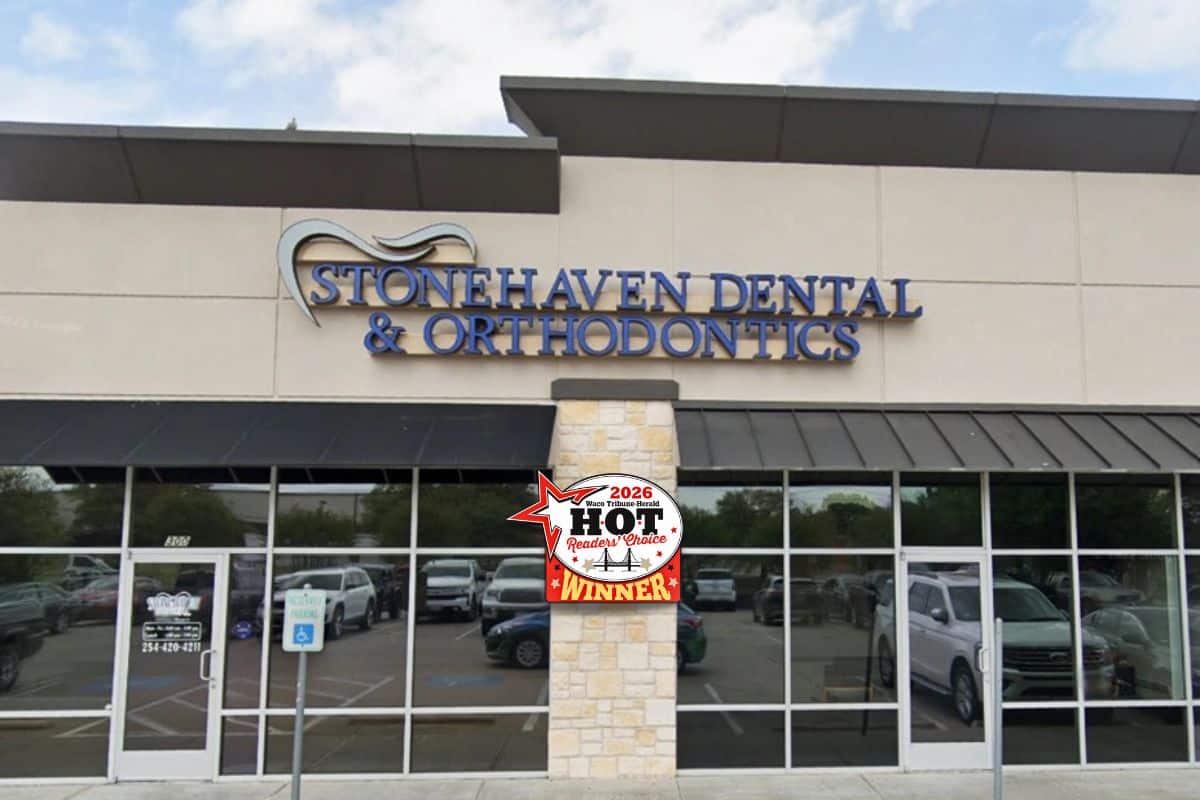
For patients in Waco and the surrounding communities, our office is conveniently located on Hewitt Drive, making it easier to get professional dental care without traveling across town.
If biting down on a particular tooth has become painful, schedule a consultation rather than waiting for the problem to get worse.
Reviews From Our Patients
Krystle J.

Sammy, Connor, the front desk staff, Dental Hygenist and especially Dr. Town are amazing! It’s great to see the same faces everyone I get a cleaning! Sammy makes the experience comfortable and welcome. Connor may be quiet but he always does a great job! The dental hygienist always remembers me and my kids. Sorry I cant remember her name but she knows who I am and that’s what matters:) Thankful for this staff and the great care they give to my family!
Linda F.
I love it here. I have never seen a dental office give flowers to first timers. Everyone was so welcome if. In pain but you guys still made me smile. I told my daughter she need to come there. I love how you guys work with options of payment. Again thanks for making me smile in pain.
Emily C.
We’ve always had a good experience at Stonehaven. The women at the front desk are always cheerful and helpful. I love the hygienists, they always make my children and I feel comfortable and informed. I have pretty high dental anxiety and they’ve never tried to minimize my fears- but they listen to me, and help me feel as comfortable as possible. The dentists and orthodontists have been great! No issues at all. (I just wish my daughter was better at flossing, but we’re working on that!)
Yolanda R.
Oh my god, this doctor and staff are the best! They are friendly, they explained everything very thoroughly and made me feel very comfortable. The office is so clean and every one of the staff is so amazing especially Crystal! I recommend this dental office big time!!! Thank you Stonehaven Dental!!

Book Your Dental Appointment
Fill out the form and we'll follow up with a few appointment options.
"This is my first time at Stonehaven dental. Everyone was super friendly, and helpful. Dr Town came in and visited with me and together we developed a treatment plan to address the issues that were present on my teeth. Couldn't be more happy with the experience with everyone in the office!"