


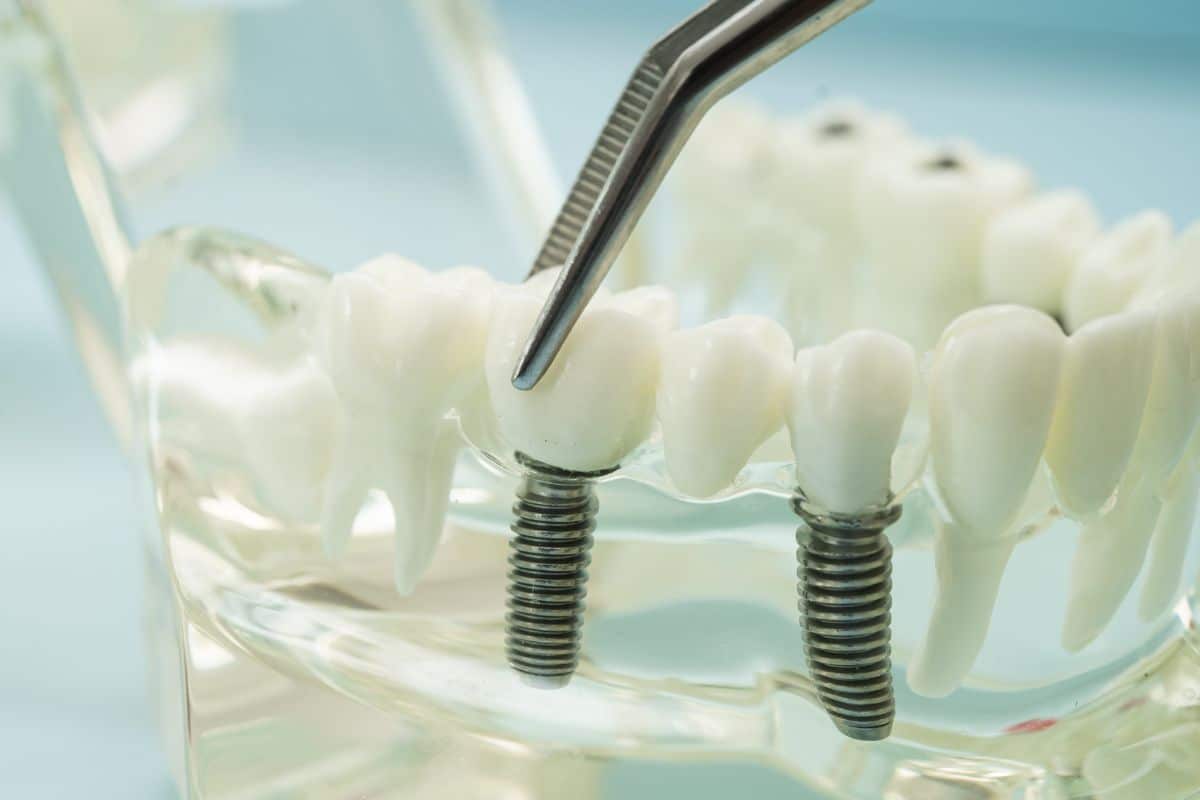
Dental implants are one of the most reliable ways to replace missing teeth, but many patients still ask the same question: Can dental implants get cavities? The simple answer is no—the implant itself cannot develop tooth decay because it is made from materials that don’t decay like natural enamel.
Although dental implants are cavity-resistant, they still require daily care to keep the surrounding gums and supporting bone healthy. Problems such as gum inflammation and peri-implant disease can threaten the long-term success of an implant if they are left untreated.
Exploring dental implants in Burleson? Read on to learn why implants can’t develop cavities, what complications to watch for, and how to maintain your restored smile for a lifetime.
Why Dental Implants Don’t Get Cavities
Dental implants cannot get cavities because they are not made from natural tooth enamel.
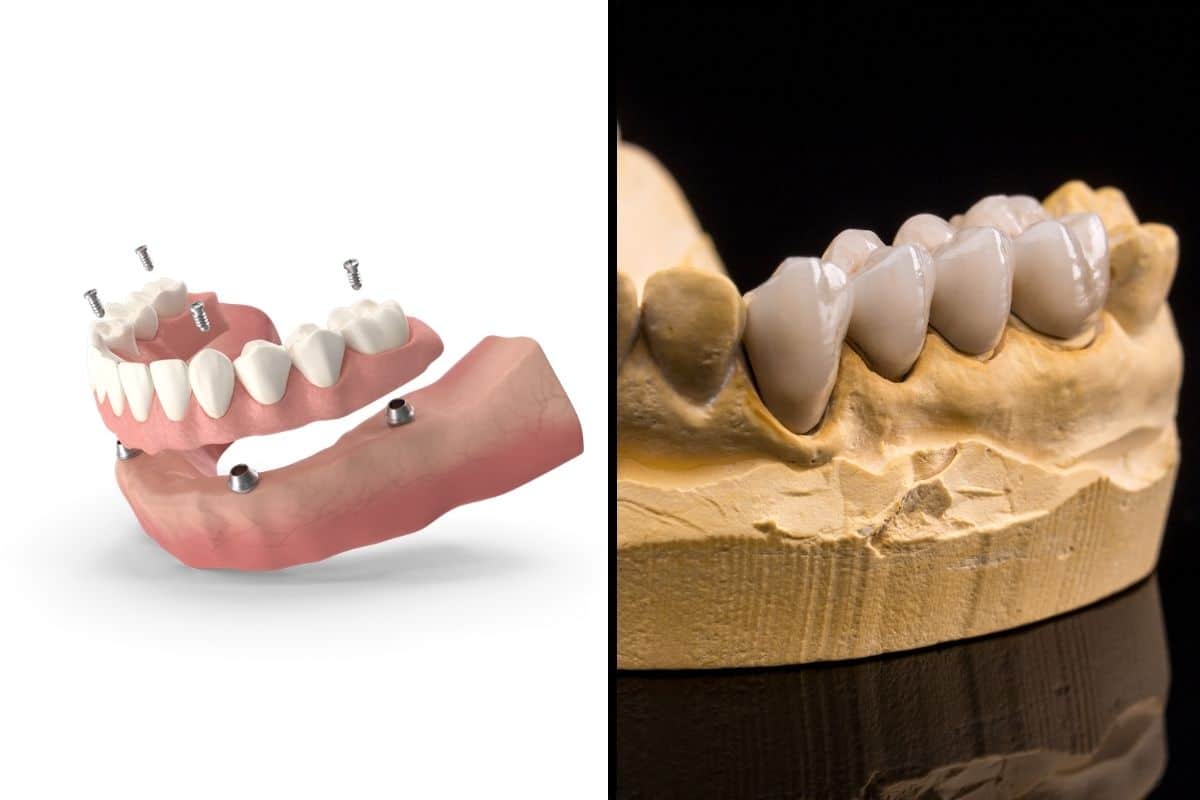
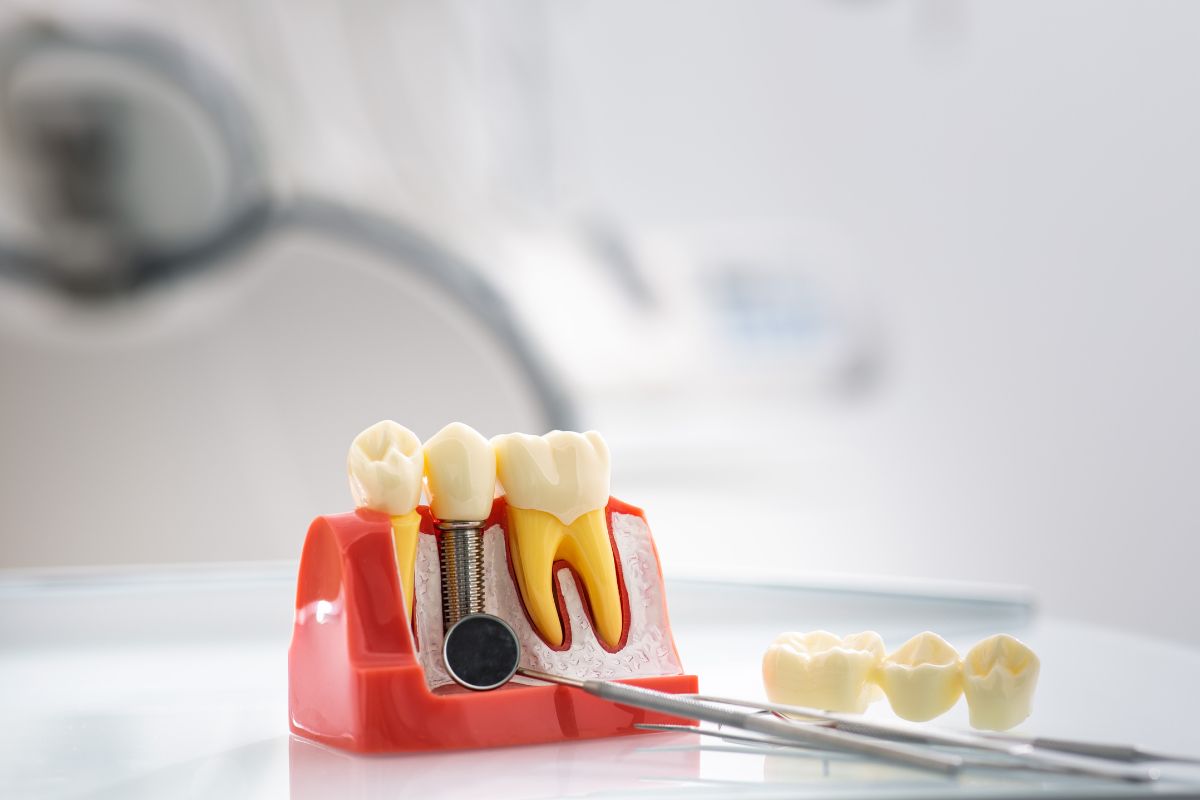
A dental implant consists of three main parts:
- A titanium implant post that replaces the tooth root
- An abutment that connects the post to the restoration
- A dental crown made from durable materials such as porcelain or ceramic
Since bacteria cannot erode these materials the way they can natural enamel, cavities simply do not form on dental implants.
That said, the surrounding gum tissue and supporting bone remain vulnerable to infection and inflammation if plaque is allowed to build up.
Why Oral Hygiene Still Matters
Although the implant itself cannot decay, it relies on healthy gums and bone for stability.
When plaque accumulates around the implant, bacteria can irritate the surrounding tissues. If left untreated, this inflammation may progress into a condition known as peri-implant disease, which is one of the leading causes of implant failure.
Healthy gums are just as important for an implant as a strong foundation is for a home. Without proper support, even a well-placed implant can become compromised over time.
What Is Peri-Implant Disease?
Peri-implant disease is an inflammatory condition that affects the tissues around a dental implant.
It generally develops in two stages:
Peri-Implant Mucositis
This is the early stage of inflammation. Symptoms may include:
- Red or swollen gums
- Bleeding while brushing or flossing
- Mild tenderness around the implant
With professional treatment and improved home care, this stage is often reversible.
Peri-Implantitis
If inflammation progresses, it can begin affecting the bone supporting the implant.
Symptoms may include:
- Persistent gum inflammation
- Gum recession
- Pus around the implant
- Bad breath that doesn’t improve
- Loose implant
- Bone loss visible on dental X-rays
Early diagnosis significantly improves the chances of saving the implant.
What Causes Problems Around Dental Implants?
Several factors can increase the risk of complications, including:
- Inconsistent brushing and flossing
- Smoking or tobacco use
- Gum disease
- Diabetes that is not well controlled
- Teeth grinding or clenching
- Missed routine dental checkups
- Plaque and tartar buildup
Many of these risk factors are manageable with preventive dental care and healthy daily habits.
How to Keep Dental Implants Healthy
Dental implants are designed to be a long-term solution, but they require consistent care.
Here are a few simple habits that help protect your investment:
Brush Twice Every Day
Use a soft-bristled toothbrush and fluoride toothpaste to remove plaque from around the implant and neighboring teeth.
Floss Daily
Cleaning between teeth and around implants helps remove bacteria that brushing alone cannot reach.
Your dentist may also recommend implant-specific floss, interdental brushes, or a water flosser.
Schedule Regular Dental Visits
Professional cleanings and routine examinations allow your dentist to monitor both the implant and the surrounding tissues before small issues become larger problems.
Avoid Tobacco Products
Smoking slows healing, increases the risk of gum disease, and is associated with higher implant failure rates.
Wear a Nightguard if Recommended
If you grind or clench your teeth during sleep, a custom nightguard can reduce excessive pressure on your implant and natural teeth.
Can Food Damage a Dental Implant?
While cavities aren’t a concern, your implant restoration can still be damaged by excessive force.
Avoid making a habit of:
- Chewing ice
- Biting hard candies
- Opening packages with your teeth
- Cracking nuts with your teeth
Just like a natural tooth, a porcelain crown can chip or fracture under extreme pressure.
Signs Your Dental Implant Needs Attention
Even though implants don’t get cavities, you should never ignore symptoms around them.
Schedule a dental evaluation if you notice:
- Bleeding around the implant
- Swollen or tender gums
- Persistent bad breath
- Pain while chewing
- A loose implant or crown
- Gum recession around the implant
Prompt treatment often prevents more extensive complications.
Looking for Dental Implants in Burleson? Stonehaven Dental & Orthodontics Is Here for You
Whether you’re exploring dental implants as a tooth replacement option or want to keep your existing implant in excellent condition, Stonehaven Dental & Orthodontics is here to help. We provide comprehensive implant consultations, personalized treatment planning, and ongoing preventive care to support your long-term oral health. If you have questions about dental implants or you’re ready to restore your smile, contact our Burleson office to schedule your appointment today.
Reviews From Our Patients
Krystle J.

Sammy, Connor, the front desk staff, Dental Hygenist and especially Dr. Town are amazing! It’s great to see the same faces everyone I get a cleaning! Sammy makes the experience comfortable and welcome. Connor may be quiet but he always does a great job! The dental hygienist always remembers me and my kids. Sorry I cant remember her name but she knows who I am and that’s what matters:) Thankful for this staff and the great care they give to my family!
Linda F.
I love it here. I have never seen a dental office give flowers to first timers. Everyone was so welcome if. In pain but you guys still made me smile. I told my daughter she need to come there. I love how you guys work with options of payment. Again thanks for making me smile in pain.
Emily C.
We’ve always had a good experience at Stonehaven. The women at the front desk are always cheerful and helpful. I love the hygienists, they always make my children and I feel comfortable and informed. I have pretty high dental anxiety and they’ve never tried to minimize my fears- but they listen to me, and help me feel as comfortable as possible. The dentists and orthodontists have been great! No issues at all. (I just wish my daughter was better at flossing, but we’re working on that!)
Yolanda R.
Oh my god, this doctor and staff are the best! They are friendly, they explained everything very thoroughly and made me feel very comfortable. The office is so clean and every one of the staff is so amazing especially Crystal! I recommend this dental office big time!!! Thank you Stonehaven Dental!!

Book Your Dental Appointment
Fill out the form and we'll follow up with a few appointment options.
"This is my first time at Stonehaven dental. Everyone was super friendly, and helpful. Dr Town came in and visited with me and together we developed a treatment plan to address the issues that were present on my teeth. Couldn't be more happy with the experience with everyone in the office!"