


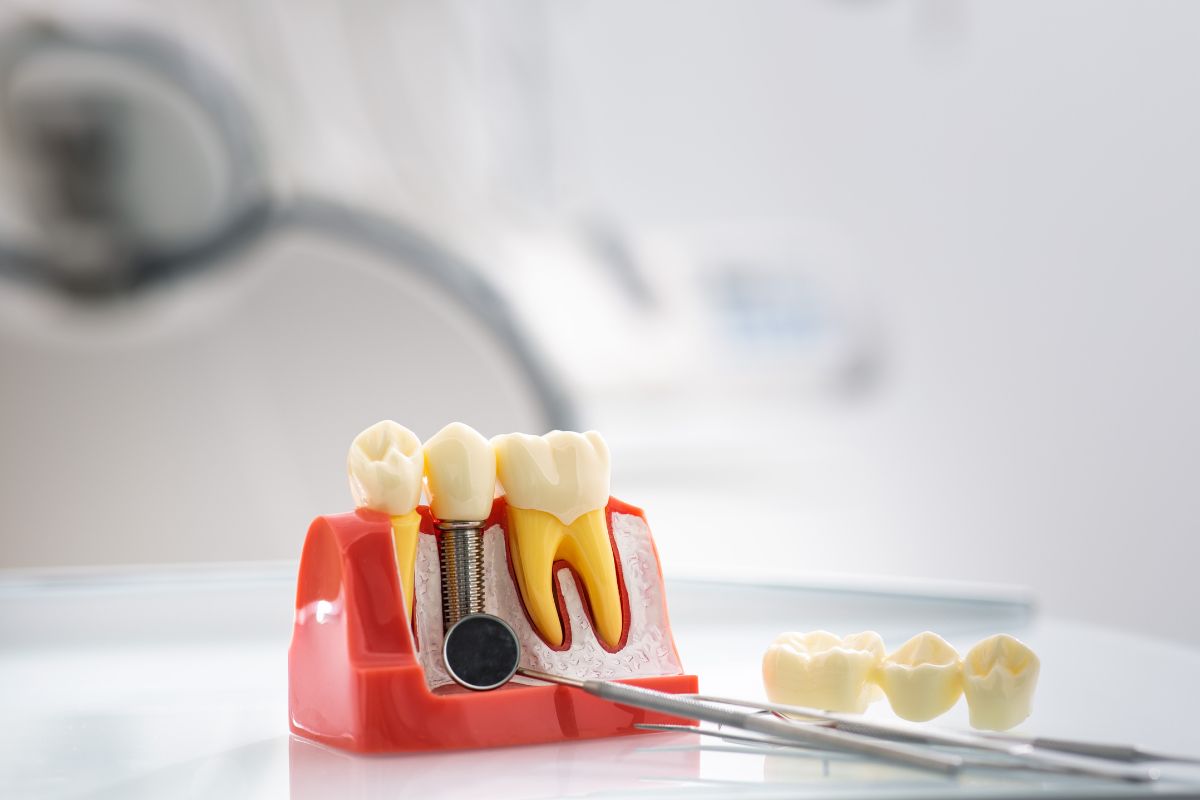
Yes, persons with bone loss can still receive dental implants, though it depends on the extent of bone loss and the health of the surrounding tissue. Bone loss doesn’t automatically rule out dental implants; it simply means we need to take a closer look at your jaw structure and may need to rebuild or strengthen it first. The amount and location of bone loss determine whether implants can be placed right away or if the bone first needs to be strengthened through procedures such as bone grafting or guided regeneration.
With today’s advanced techniques, even significant bone loss can often be managed to make implants a safe and lasting option.
Bone Loss and Its Impact on Dental Implants
Bone loss in the jaw is a natural consequence of missing teeth. Once a tooth is lost, the bone that once supported it begins to shrink, a process called bone resorption. Over time, this can lead to changes in facial shape, shifting of nearby teeth, and challenges with fitting dentures comfortably.
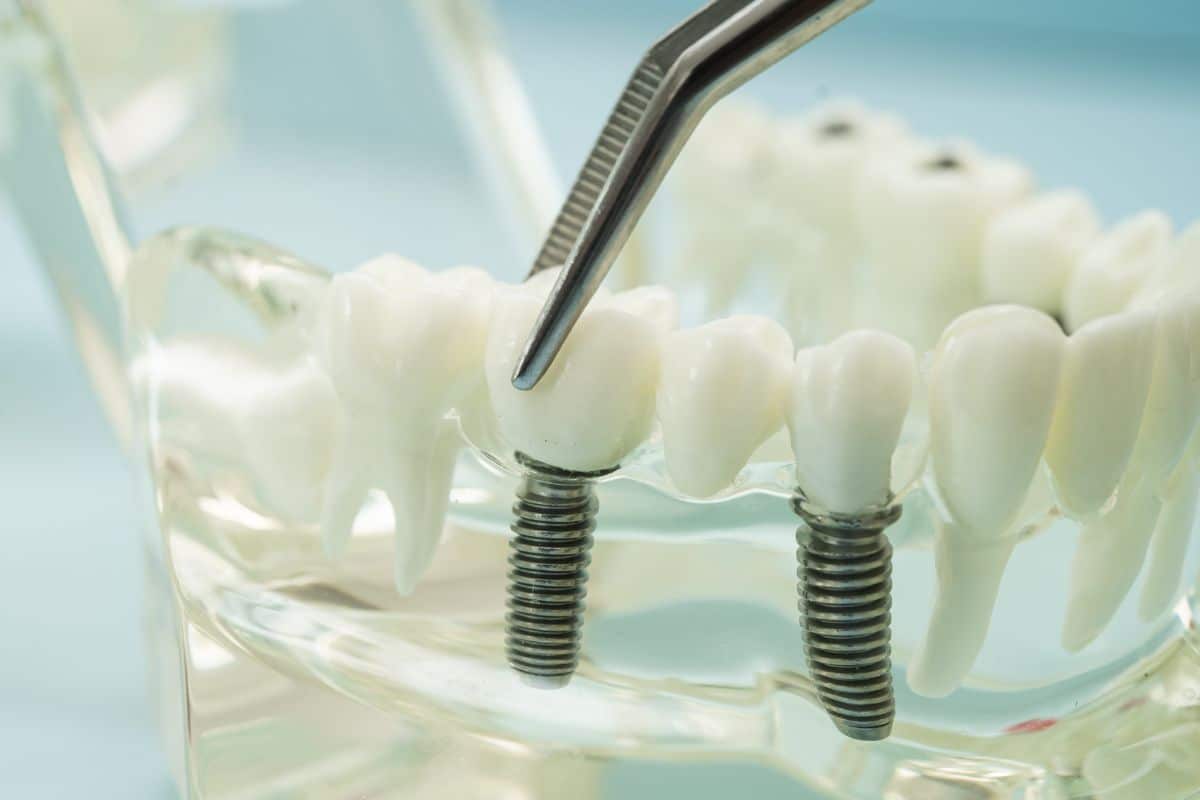
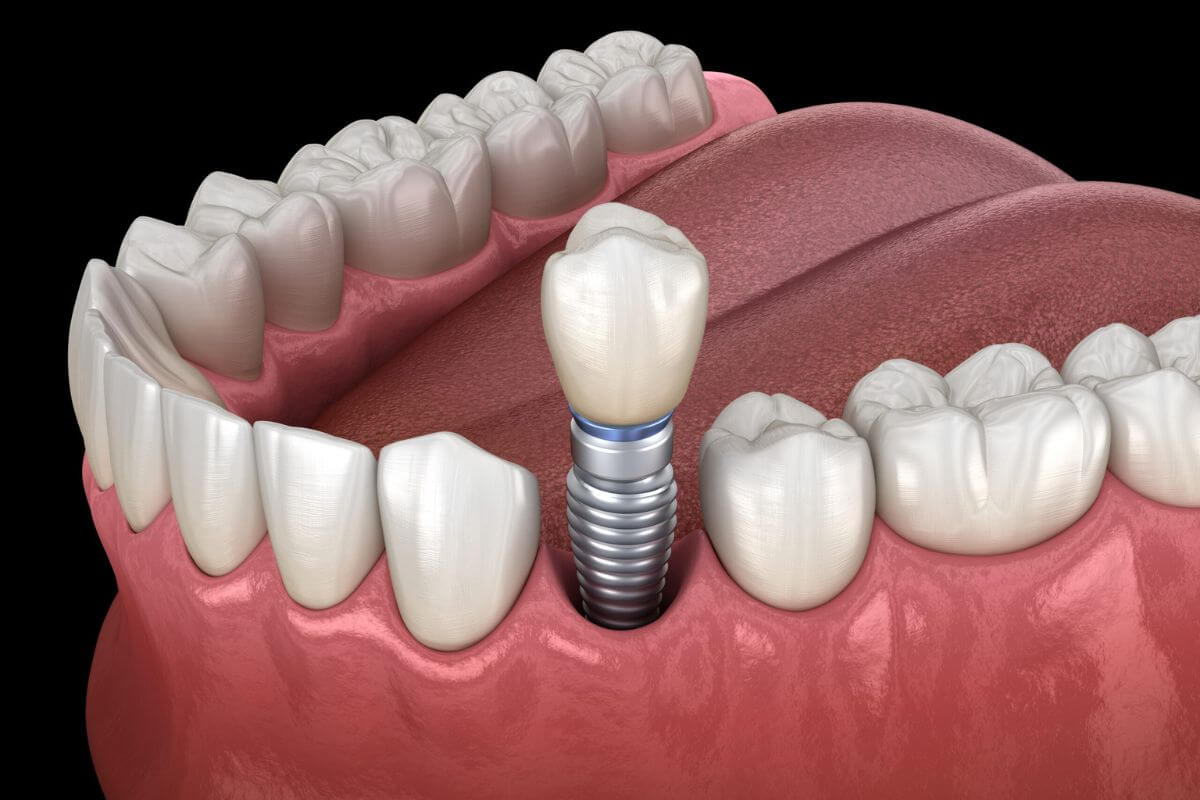
Dental implants rely on the bone to anchor the titanium post securely, so the amount and quality of bone are key factors in determining candidacy. However, a diagnosis of bone loss doesn’t automatically rule out implant treatment.
When Dental Implants Are Still Possible Despite Bone Loss
The extent and location of bone loss vary from patient to patient. Some people may have enough bone in certain areas to support an implant without additional procedures. Others may need preparatory treatments to rebuild volume and density first.
Advances in implant design and placement techniques allow skilled dentists to use shorter or angled implants that adapt to areas with less bone. In the upper jaw, for example, zygomatic implants or sinus lift procedures can provide new opportunities where bone loss once made implants impossible.
Bone Grafting and Other Techniques That Support Implant Success
One of the most effective solutions for patients with bone loss is bone grafting. During this procedure, a dentist adds bone material, either synthetic, from another part of your body, or from a donor source to areas that need reinforcement. Over time, the graft fuses with the natural bone, creating a stable foundation for an implant.
Other supportive treatments include:
- Sinus lifts – raising the sinus membrane to allow for bone grafting in the upper jaw.
- Ridge augmentation – restoring the natural contour and width of the jaw ridge.
- Guided bone regeneration – using membranes to protect bone grafts during healing.
These techniques have high success rates and are now standard parts of comprehensive implant care. In many cases, patients who were once told they didn’t have enough bone can now receive implants safely.
Why Restoring Bone is Important Before Implants
Rebuilding bone doesn’t just make implants possible, it improves long-term oral health. Strong bone structure ensures better implant stability, which allows for confident chewing and speaking, and helps prevent further bone deterioration. Restoring lost bone also supports facial appearance by maintaining natural contours that are often lost with tooth and bone loss.
Dental implants themselves play a vital role in preserving bone density. Unlike dentures or bridges, implants stimulate the jawbone just like natural tooth roots, preventing further bone resorption and maintaining oral function.
Restore Your Smile with Confidence at Stonehaven Dental & Orthodontics
If you’ve been told you have bone loss or worry that it might prevent you from getting dental implants, we encourage you to explore your options. In our dental implants service in Waco, we carefully evaluate oral health of patients and use advanced imaging that help us determine the best approach for each individual.
Contact our Waco office today to schedule a consultation. We’ll evaluate your jawbone health, discuss personalized treatment options, and guide you toward the most effective path to a strong, confident smile.
Frequently Asked Questions
1. How does bone loss affect dental implant placement?
Bone loss reduces the amount of jawbone available to hold an implant securely. Since implants rely on bone for stability, insufficient bone can make placement more complex. However, with modern treatments like bone grafting and ridge augmentation, it’s often possible to restore the bone and create a strong foundation for implants.
2. Can dental implants help prevent further bone loss?
Yes. Once placed, dental implants act much like natural tooth roots, stimulating the jawbone during chewing and helping prevent ongoing bone resorption. This is one of the key advantages of choosing implants over traditional dentures or bridges.
3. What are the options if I have severe bone loss?
If bone loss is significant, your dentist might recommend procedures such as sinus lifts, bone grafting, or even zygomatic implants in specific cases. These techniques are designed to rebuild or utilize existing bone structure so that implants can still be placed safely and effectively.
4. How long does it take to rebuild bone before getting implants?
Healing time varies depending on the type of graft and your body’s natural response. In many cases, the bone needs about three to six months to fully integrate before implants can be placed. Your dentist will guide you through a timeline that suits your specific needs and healing rate.
5. Are dental implants safe for older adults with bone loss?
Age alone isn’t a barrier to getting dental implants. What matters most is bone health and general medical condition. Many older adults with bone loss successfully receive implants after appropriate evaluation and, if needed, preparatory bone treatments.
Reviews From Our Patients
Krystle J.

Sammy, Connor, the front desk staff, Dental Hygenist and especially Dr. Town are amazing! It’s great to see the same faces everyone I get a cleaning! Sammy makes the experience comfortable and welcome. Connor may be quiet but he always does a great job! The dental hygienist always remembers me and my kids. Sorry I cant remember her name but she knows who I am and that’s what matters:) Thankful for this staff and the great care they give to my family!
Linda F.
I love it here. I have never seen a dental office give flowers to first timers. Everyone was so welcome if. In pain but you guys still made me smile. I told my daughter she need to come there. I love how you guys work with options of payment. Again thanks for making me smile in pain.
Emily C.
We’ve always had a good experience at Stonehaven. The women at the front desk are always cheerful and helpful. I love the hygienists, they always make my children and I feel comfortable and informed. I have pretty high dental anxiety and they’ve never tried to minimize my fears- but they listen to me, and help me feel as comfortable as possible. The dentists and orthodontists have been great! No issues at all. (I just wish my daughter was better at flossing, but we’re working on that!)
Yolanda R.
Oh my god, this doctor and staff are the best! They are friendly, they explained everything very thoroughly and made me feel very comfortable. The office is so clean and every one of the staff is so amazing especially Crystal! I recommend this dental office big time!!! Thank you Stonehaven Dental!!

Book Your Dental Appointment
Fill out the form and we'll follow up with a few appointment options.
"This is my first time at Stonehaven dental. Everyone was super friendly, and helpful. Dr Town came in and visited with me and together we developed a treatment plan to address the issues that were present on my teeth. Couldn't be more happy with the experience with everyone in the office!"