


When considering tooth replacement options, dental implants often come up as a reliable, long-lasting solution. But before making a decision, it’s important to ask:
“Am I a good candidate for dental implants?”
This is a smart and common question, and the answer depends on several factors—some related to oral health, others to general wellness. Understanding these factors can help you make an informed decision about your treatment options and long-term care.
Below, we’ll explain what dentists typically look for when evaluating whether dental implants are the right choice for you.
What Are Dental Implants?
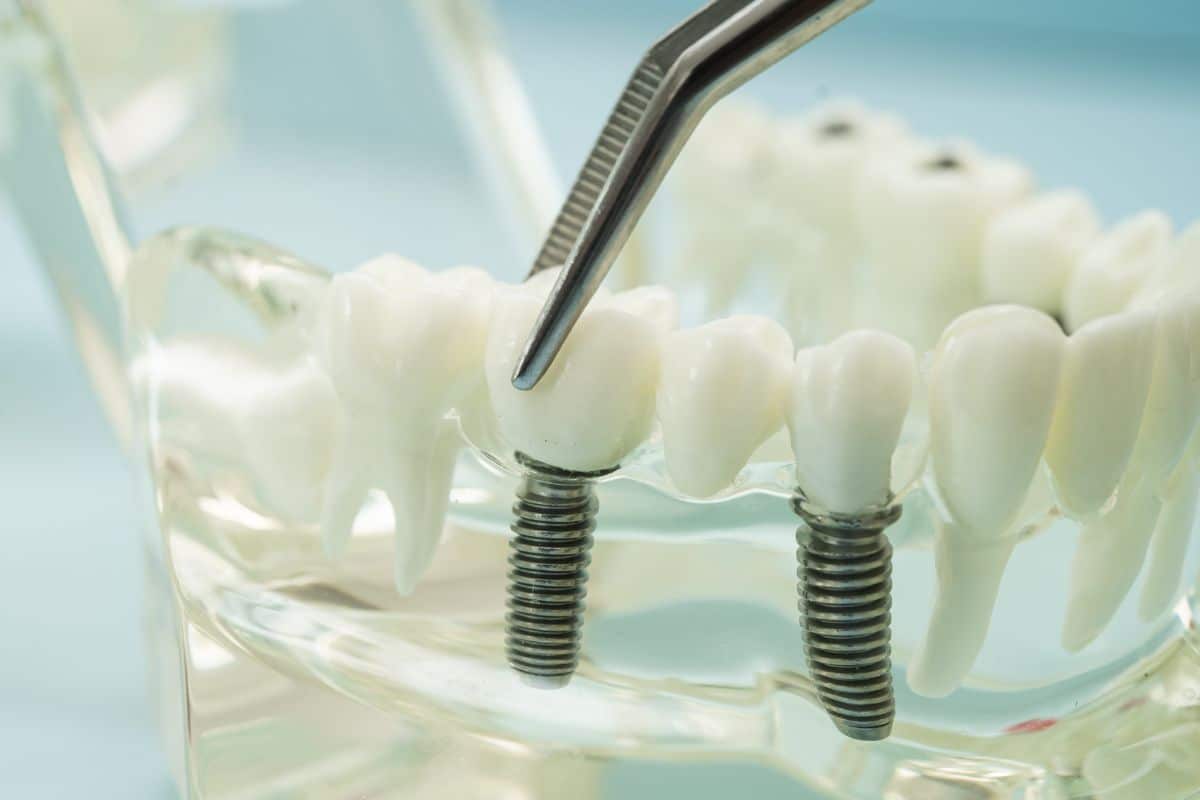
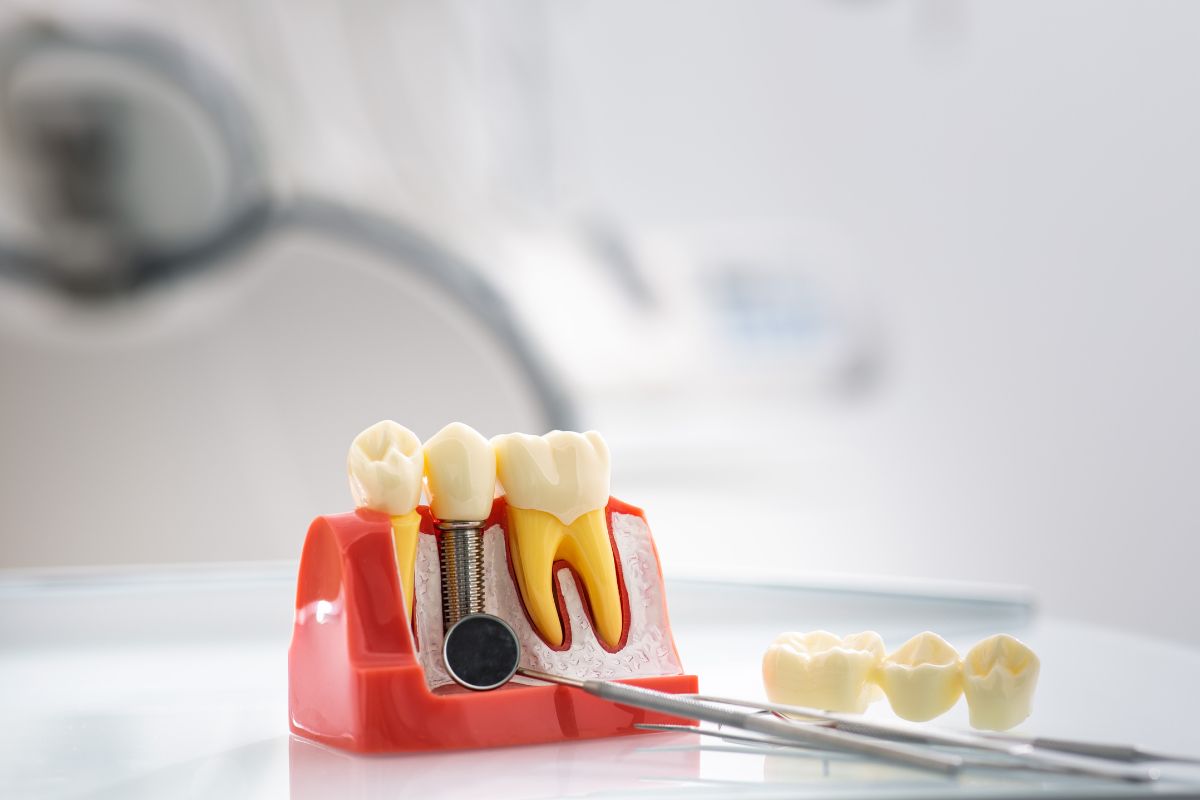
A dental implant is a small, screw-shaped post made of biocompatible titanium that serves as a replacement for the root of a missing tooth. Once placed in the jawbone, it gradually bonds with the bone, forming a stable foundation for a crown, bridge, or denture.
Unlike removable dentures, implants are fixed in place and function much like natural teeth. When properly maintained, they can last many years and provide both cosmetic and functional benefits.
Who Is a Good Candidate for Dental Implants?
Not everyone is an immediate candidate for implants, but many patients become eligible with the right preparation. During the evaluation for implants, the dentists check if you have:
1. Healthy Gums and No Active Infection
Gum health is essential to support the implant site. Active periodontal disease or untreated infections need to be addressed before considering placement.
2. Sufficient Bone Density in the Jaw
Implants rely on the surrounding bone for stability. If bone loss has occurred—often due to missing teeth or long-term denture use—a bone graft may be needed before implant placement.
3. Good General Health
Conditions such as uncontrolled diabetes, immune suppression, or certain medications can affect healing. These factors don’t automatically disqualify someone, but they do require extra care in planning.
4. Non-Smoker or Willing to Stop
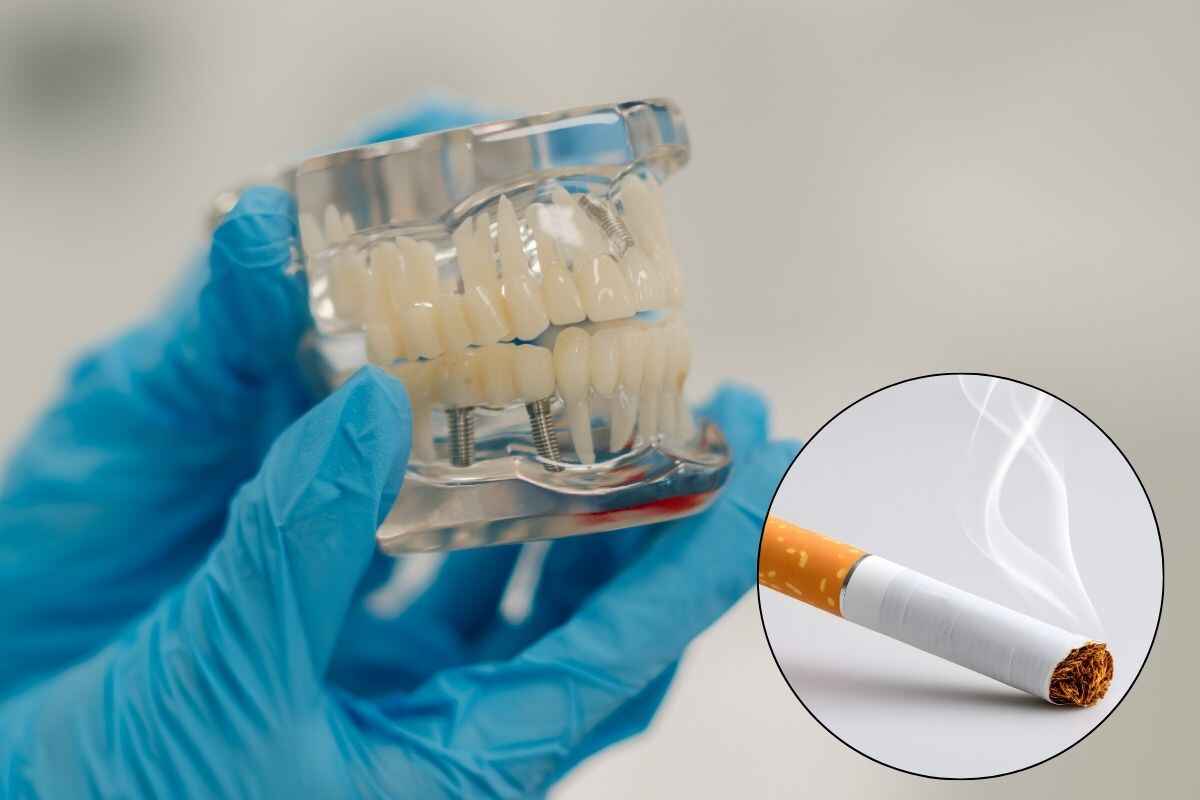
Smoking slows healing and increases the risk of implant failure. Many dental teams recommend quitting before and after implant surgery to support a successful outcome.
5. Commitment to Long-Term Oral Hygiene
Even though implants don’t decay, the surrounding gum tissue and bone can still be affected by plaque buildup or infection. Brushing, flossing, and regular dental checkups remain essential.
Not a Perfect Candidate Yet? There Are Options
Many patients who aren’t ideal candidates initially can still receive implants with additional treatment. Depending on the case, your dentist may recommend:
- Gum disease treatment
- Bone grafting procedures
- Tooth extractions followed by a healing period
- A temporary tooth replacement before implant placement
With the right plan, dental implants remain an option for a wide range of patients.
What to Expect in an Evaluation
If you’re curious about your own candidacy, the best next step is a comprehensive evaluation. This typically includes:
- A dental exam and full medical history review
- Digital X-rays or 3D imaging
- A discussion of your goals, preferences, and any concerns
From there, a personalized treatment plan can be created based on your specific needs and health profile.
Final Thoughts
Deciding whether dental implants are right for you starts with the right information and an open conversation. If you’re exploring your options, a consultation with our team can help clarify what’s possible based on your current health and goals. At Stonehaven Dental & Orthodontics in Burleson, we provide personalized evaluations and implant planning tailored to your needs and health.
Contact us in Burleson today to take the first step toward a confident, lasting smile.
Frequently Asked Questions
- Am I too old for dental implants?
Age is not typically a limiting factor for dental implants. As long as you’re in good general health and have sufficient bone density in your jaw, seniors can be excellent candidates. However, a dental evaluation is necessary to determine individual suitability.
- What health conditions might prevent me from getting dental implants?
Certain medical conditions like uncontrolled diabetes, cancer treatments (radiation to the jaw), or autoimmune disorders may complicate healing and increase implant failure risks. Smokers also face higher risks. A comprehensive health assessment is key to determine candidacy.
- Can I get dental implants if I have bone loss in my jaw?
Yes, patients with bone loss may still be eligible for implants, but they might need a bone graft or sinus lift procedure to build up the bone before implant placement. Modern techniques have made implants possible even in challenging cases.
- How long do I need to wait after tooth extraction to get a dental implant?
It depends on the individual case. In some instances, implants can be placed immediately after extraction. In others, your dentist may recommend waiting a few months to allow healing. Your oral health and bone condition will determine the best timing.
Reviews From Our Patients
Krystle J.

Sammy, Connor, the front desk staff, Dental Hygenist and especially Dr. Town are amazing! It’s great to see the same faces everyone I get a cleaning! Sammy makes the experience comfortable and welcome. Connor may be quiet but he always does a great job! The dental hygienist always remembers me and my kids. Sorry I cant remember her name but she knows who I am and that’s what matters:) Thankful for this staff and the great care they give to my family!
Linda F.
I love it here. I have never seen a dental office give flowers to first timers. Everyone was so welcome if. In pain but you guys still made me smile. I told my daughter she need to come there. I love how you guys work with options of payment. Again thanks for making me smile in pain.
Emily C.
We’ve always had a good experience at Stonehaven. The women at the front desk are always cheerful and helpful. I love the hygienists, they always make my children and I feel comfortable and informed. I have pretty high dental anxiety and they’ve never tried to minimize my fears- but they listen to me, and help me feel as comfortable as possible. The dentists and orthodontists have been great! No issues at all. (I just wish my daughter was better at flossing, but we’re working on that!)
Yolanda R.
Oh my god, this doctor and staff are the best! They are friendly, they explained everything very thoroughly and made me feel very comfortable. The office is so clean and every one of the staff is so amazing especially Crystal! I recommend this dental office big time!!! Thank you Stonehaven Dental!!

Book Your Dental Appointment
Fill out the form and we'll follow up with a few appointment options.
"This is my first time at Stonehaven dental. Everyone was super friendly, and helpful. Dr Town came in and visited with me and together we developed a treatment plan to address the issues that were present on my teeth. Couldn't be more happy with the experience with everyone in the office!"