


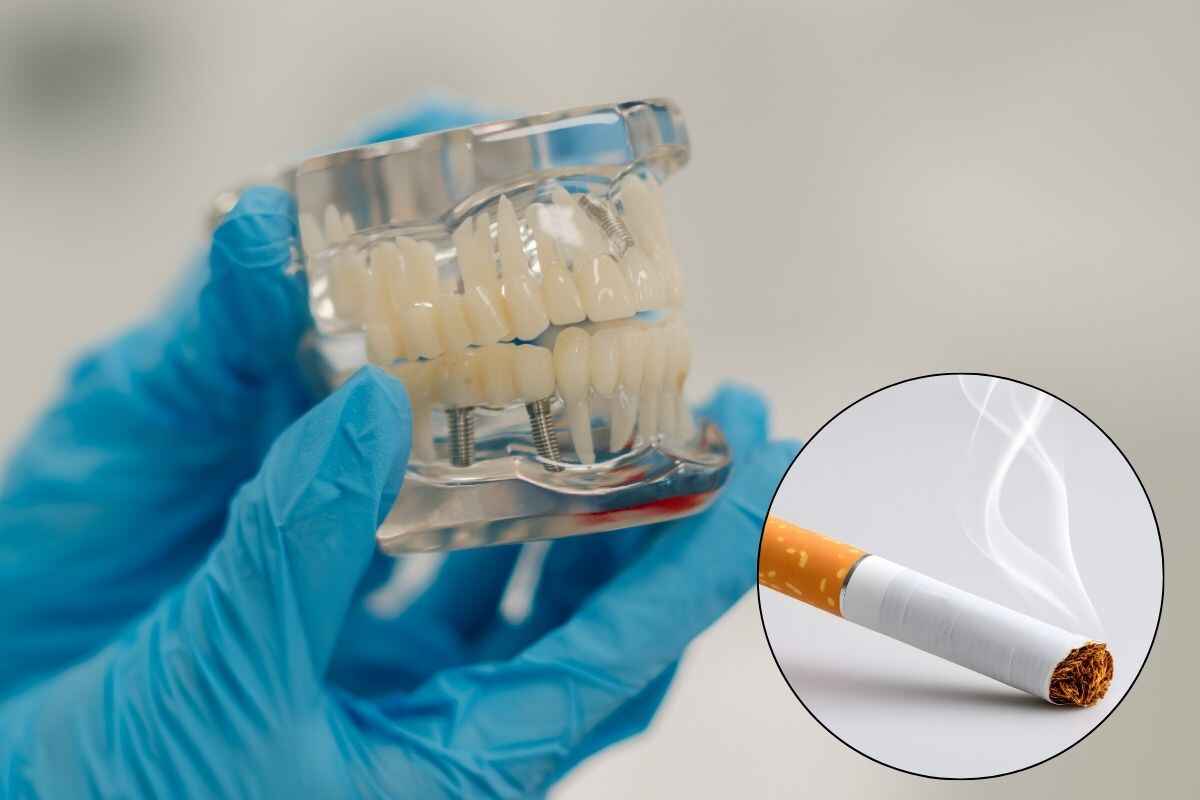
Yes, smokers can get dental implants, but the process requires more planning and commitment than it does for non-smokers.
Dental implants rely on a process called osseointegration, where the implant fuses with the jawbone. Smoking interferes with this process by reducing blood flow to the gums and bone, slowing healing, and increasing risk of bone loss.
Nicotine constricts blood vessels. When blood supply is limited, the body struggles to deliver oxygen and nutrients needed for healing. Over time, this can weaken the bond between the implant and bone, increasing the risk of implant failure.
Studies consistently show that implant failure rates are higher in smokers than in non-smokers.
Common Risks Smokers Should Know About
Being informed matters. Here are the most common implant-related risks associated with smoking:
1. Implant Failure
Smokers are more likely to experience early implant failure, especially within the first few months after placement.
2. Peri-Implantitis
This inflammatory condition affects the tissue around implants and can lead to bone loss and implant failure. Smoking significantly raises the risk.
3. Delayed Healing
Even when implants succeed, healing often takes longer, which can extend the overall treatment timeline.
4. Gum Complications
Smoking increases the risk of gum disease, which threatens the long-term health of both natural teeth and implants.
If you are considering dental implants but still smoke, you should know the risks involved. A local periodontist can help you understand why smoking often leads to unsuccessful procedures and unexpected expenses.
Are Dental Implants Not Possible for Smokers?
No. Smoking alone does not automatically disqualify someone from getting dental implants. However, it does place you in a higher-risk category.
We look at the full picture:
- How much and how long you’ve smoked
- Your gum health
- Bone density and volume
- Overall medical history
- Willingness to pause or quit smoking during treatment
For dental implants with bone loss, which is common among long-term smokers, additional procedures such as bone grafting may be needed.
Success Tips for Smokers Considering Dental Implants
Over the years, smokers succeed with dental implants when the right steps are taken. Here’s what truly helps:
Stop Smoking – Even Temporarily
Quitting entirely is ideal, but even stopping one to two weeks before surgery and several weeks after can significantly improve healing and implant integration.
Be Honest About Your Smoking Habits
This isn’t about judgment—it’s about planning. Accurate information helps us tailor the treatment approach and reduce risk.
Commit to Excellent Oral Hygiene
Daily brushing, flossing, and professional cleanings are non-negotiable for implant success, especially for smokers.
Follow Post-Surgical Instructions Closely
This includes medication use, diet restrictions, and avoiding smoking during the critical healing window.
Attend Regular Follow-Ups
Routine checkups allow us to monitor healing, catch early warning signs, and protect your investment long term.
Considering Dental Implants in Central Texas?
If you smoke and are considering dental implants, the best next step is a personalized evaluation. Stonehaven Dental & Orthodontics provides dental implant treatment for patients across Texas – Burleson, Waco, Killeen, and Harker Heights.
Schedule a consultation at the location most convenient for you to find out whether dental implants are right for you and how we can help you move forward with confidence.
Frequently Asked Questions
1. Can I get dental implants if I’m a long-term or heavy smoker?
Yes, many long-term or heavy smokers can still receive dental implants, but the risk of complications is higher. Implant success depends on factors such as bone quality, gum health, and your willingness to pause or reduce smoking during healing. A thorough evaluation is essential before moving forward.
2. How long should I stop smoking before and after dental implant surgery?
Ideally, patients should stop smoking at least one to two weeks before implant placement and avoid smoking for several weeks afterward. This period is critical for proper healing and osseointegration. The longer you can stay smoke-free, the better your chances of long-term implant success.
3. Do smokers need special care after getting dental implants?
Yes. Smokers need to be especially diligent with oral hygiene and follow-up care. This includes brushing and flossing carefully, attending regular dental visits, and watching closely for signs of inflammation or infection around the implant site.
4. Are dental implants more likely to fail years later if I continue smoking?
Continuing to smoke can increase the risk of late implant complications, including bone loss and peri-implantitis. While some implants remain stable for years, ongoing smoking makes long-term maintenance more challenging and requires closer professional monitoring.
Reviews From Our Patients
Krystle J.

Sammy, Connor, the front desk staff, Dental Hygenist and especially Dr. Town are amazing! It’s great to see the same faces everyone I get a cleaning! Sammy makes the experience comfortable and welcome. Connor may be quiet but he always does a great job! The dental hygienist always remembers me and my kids. Sorry I cant remember her name but she knows who I am and that’s what matters:) Thankful for this staff and the great care they give to my family!
Linda F.
I love it here. I have never seen a dental office give flowers to first timers. Everyone was so welcome if. In pain but you guys still made me smile. I told my daughter she need to come there. I love how you guys work with options of payment. Again thanks for making me smile in pain.
Emily C.
We’ve always had a good experience at Stonehaven. The women at the front desk are always cheerful and helpful. I love the hygienists, they always make my children and I feel comfortable and informed. I have pretty high dental anxiety and they’ve never tried to minimize my fears- but they listen to me, and help me feel as comfortable as possible. The dentists and orthodontists have been great! No issues at all. (I just wish my daughter was better at flossing, but we’re working on that!)
Yolanda R.
Oh my god, this doctor and staff are the best! They are friendly, they explained everything very thoroughly and made me feel very comfortable. The office is so clean and every one of the staff is so amazing especially Crystal! I recommend this dental office big time!!! Thank you Stonehaven Dental!!

Book Your Dental Appointment
Fill out the form and we'll follow up with a few appointment options.
"This is my first time at Stonehaven dental. Everyone was super friendly, and helpful. Dr Town came in and visited with me and together we developed a treatment plan to address the issues that were present on my teeth. Couldn't be more happy with the experience with everyone in the office!"