


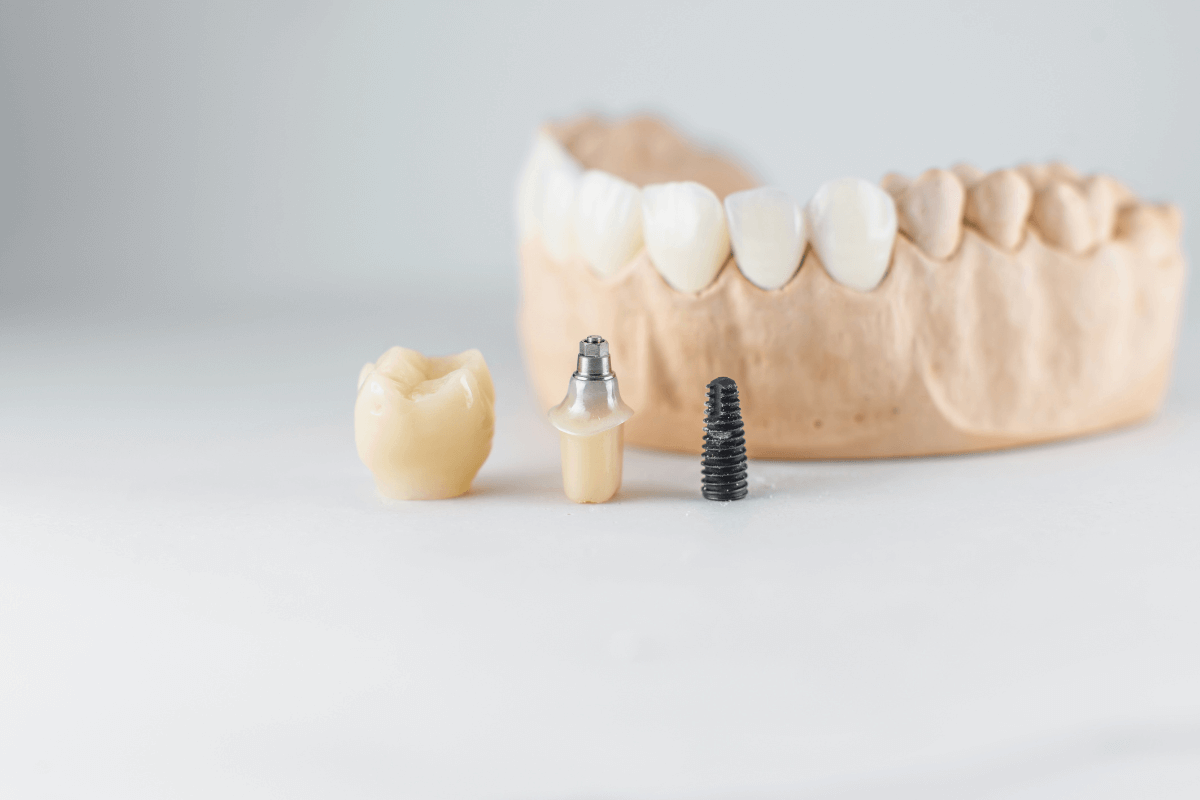
Dental implant procedures typically do not cause pain during the surgery due to effective local anesthesia and sedation, with many patients reporting only pressure. Post-surgery, you can expect mild to moderate soreness for a few days, similar to what you might experience after a tooth extraction. For most people, discomfort is manageable with standard pain relief and improves steadily within the first week.
What You Feel During Dental Implant Surgery
Dental implant surgery is performed under local anesthesia. Before the surgery, your dentist will completely numb the area. You may feel:
- Gentle pressure
- Mild vibration
- Movement
You should not feel sharp pain.
Some patients choose dental sedation if they feel anxious. In that case, you may feel very relaxed or remember very little about the procedure.
Is a Dental Implant More Painful Than an Extraction?
With an extraction, we remove an infected or damaged tooth, and the surrounding tissue is often already inflamed. With an implant, we place a small titanium post into healthy bone under controlled conditions. Because the area is clean and carefully prepared, post-operative discomfort is often less intense than people imagine.
What Happens After the Numbing Wears Off?
Once the anesthesia fades, you can expect:
- Mild soreness
- Tenderness at the surgical site
- Slight swelling
- Minor bruising in some cases
This is a normal inflammatory response. It does not mean something is wrong.
Discomfort usually peaks within the first 24 to 48 hours after dental implant surgery. After that, it gradually improves.
Over-the-counter anti-inflammatory medication is often sufficient. If needed, follow recommended prescription pain medication for the first day or two.
Dental Implant Recovery Timeline
Understanding the healing stages helps set realistic expectations.
First 24–48 Hours
- Mild bleeding or oozing
- Swelling around the implant site
- Tenderness when chewing
Ice packs and rest make a noticeable difference during this stage.
Days 3–5
- Swelling begins to decrease
- Soreness improves significantly
- You can return to most daily activities
You should still stick to softer foods and avoid chewing directly on the implant site.
Week 1
- Most discomfort resolves
- Stitches (if placed) may be removed or dissolve
- Gum tissue begins to feel normal again
Months 2–4: Osseointegration
This is the phase where the implant fuses with your jawbone – a process called osseointegration. You should not feel pain during this stage. The implant gradually becomes stable and functions like a natural tooth root.
Once healing is complete, we place the abutment and crown. These steps typically involve little to no discomfort.
What Is Not Normal After a Dental Implant?
While complications are uncommon, it’s important to know the warning signs.
Contact your dentist if you notice:
- Worsening pain instead of gradual improvement
- Severe swelling after several days
- Persistent throbbing pain
- Fever
- Pus or unusual discharge
Significant or increasing pain is not typical. When addressed early, most post-implant concerns can be managed quickly.
How to Reduce Pain After Dental Implant Surgery
You play an important role in your recovery. Following these guidelines helps minimize discomfort:
- Take anti-inflammatory medication as directed
- Use cold compresses for the first 24 hours
- Eat soft foods like yogurt, eggs, soup, and smoothies
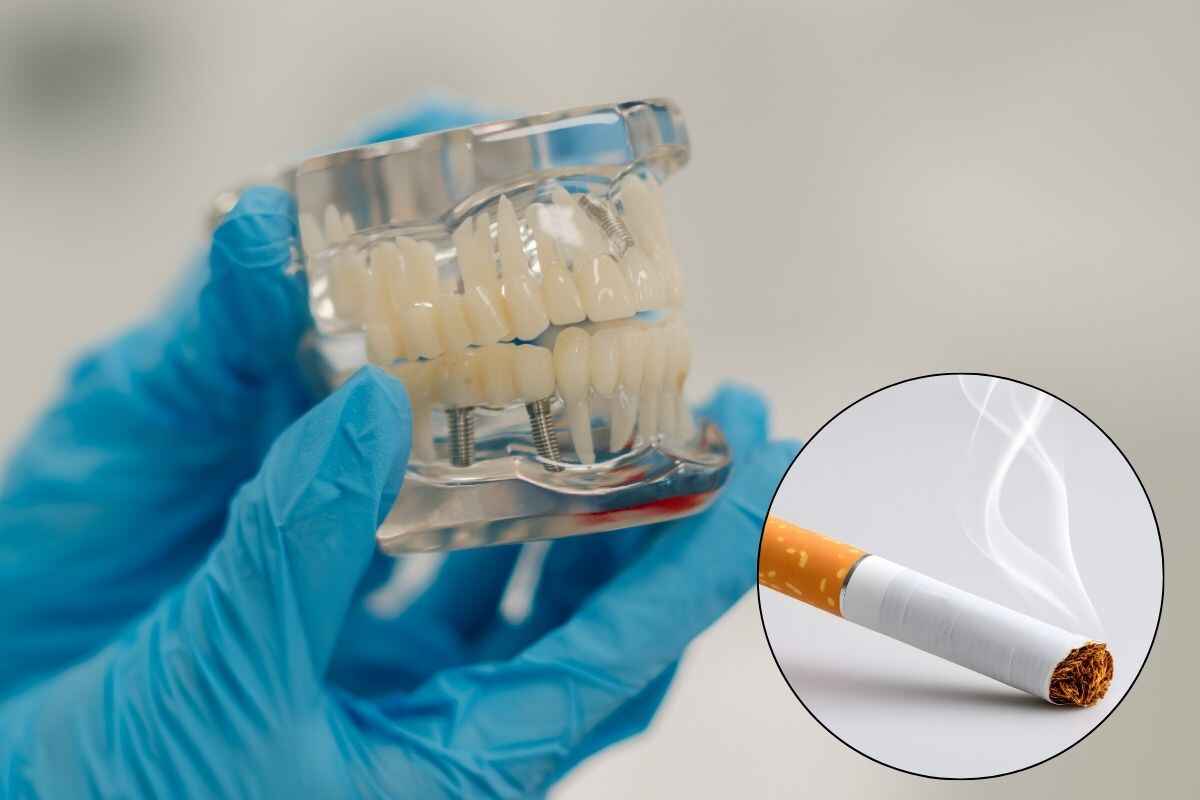
- Avoid smoking, which delays healing
- Keep the area clean but brush gently
Your body heals best when you give it time.
Long-Term Comfort: Do Implants Cause Ongoing Pain?
Once fully healed, a dental implant should not cause pain.
In fact, many patients report that their implant feels more comfortable than the missing or damaged tooth it replaced. A properly integrated implant functions like a natural tooth root. You can chew, speak, and smile without discomfort.
Dental implants have a high long-term success rate when placed in healthy bone and maintained with good oral hygiene.
Why Fear of Pain Shouldn’t Stop You
Fear of dental implant pain is one of the most common concerns I hear. In reality, modern implant dentistry is precise, controlled, and designed around patient comfort.
Avoiding treatment due to fear can sometimes lead to greater bone loss, shifting teeth, or additional dental problems. Addressing a missing tooth early often makes the process simpler and recovery smoother.
If you live in or around Waco and are considering a tooth replacement option, having a detailed consultation can help you understand your specific situation. Every mouth is different, and personalized planning makes a significant difference in comfort and outcomes.
Schedule Your Dental Implants Consultation Today
At Stonehaven Dental & Orthodontics, we take time to explain each step of the dental implant process so you feel informed and confident before moving forward.
If you’re in the Waco area and would like to discuss whether dental implants are right for you, contact our office to schedule a consultation. We’ll walk you through your options and help you make a decision that feels right for your health and your comfort.
Frequently Asked Questions (FAQs)
1. How long does the pain last after dental implant surgery?
Mild discomfort or soreness usually lasts for a few days, typically peaking within 24-48 hours and subsiding within a week. Significant pain beyond this is not common.
2. Can I eat normally right after getting an implant?
No, it’s best to stick to soft foods for the first few days after surgery. Your dentist will provide specific dietary guidelines, and you can gradually return to your normal diet as you heal.
3. What are the signs of a problem after implant surgery?
While some soreness is normal, contact your dentist if you experience worsening severe pain, excessive swelling, pus, fever, or if the implant feels loose.
Reviews From Our Patients
Krystle J.

Sammy, Connor, the front desk staff, Dental Hygenist and especially Dr. Town are amazing! It’s great to see the same faces everyone I get a cleaning! Sammy makes the experience comfortable and welcome. Connor may be quiet but he always does a great job! The dental hygienist always remembers me and my kids. Sorry I cant remember her name but she knows who I am and that’s what matters:) Thankful for this staff and the great care they give to my family!
Linda F.
I love it here. I have never seen a dental office give flowers to first timers. Everyone was so welcome if. In pain but you guys still made me smile. I told my daughter she need to come there. I love how you guys work with options of payment. Again thanks for making me smile in pain.
Emily C.
We’ve always had a good experience at Stonehaven. The women at the front desk are always cheerful and helpful. I love the hygienists, they always make my children and I feel comfortable and informed. I have pretty high dental anxiety and they’ve never tried to minimize my fears- but they listen to me, and help me feel as comfortable as possible. The dentists and orthodontists have been great! No issues at all. (I just wish my daughter was better at flossing, but we’re working on that!)
Yolanda R.
Oh my god, this doctor and staff are the best! They are friendly, they explained everything very thoroughly and made me feel very comfortable. The office is so clean and every one of the staff is so amazing especially Crystal! I recommend this dental office big time!!! Thank you Stonehaven Dental!!

Book Your Dental Appointment
Fill out the form and we'll follow up with a few appointment options.
"This is my first time at Stonehaven dental. Everyone was super friendly, and helpful. Dr Town came in and visited with me and together we developed a treatment plan to address the issues that were present on my teeth. Couldn't be more happy with the experience with everyone in the office!"